A truly remarkable smile makeover is never an accident; it is the result of meticulous planning, disciplined execution, and an almost couture level of customization. While social media often reduces cosmetic dentistry to “before-and-after” reveals, the reality is far more nuanced—and far more interesting. For those who expect elevated care, understanding the quiet decisions behind each procedure turns you from a passive patient into an informed collaborator in your own transformation.
Below are five exclusive insights that sophisticated patients increasingly insist upon when considering veneers, bonding, whitening, implants, or full‑mouth rehabilitation—insights that separate a routine upgrade from a genuinely world‑class result.
Insight 1: Your Bite Is the Architecture Behind Every Beautiful Tooth
The most photogenic teeth will never look or feel exceptional if the bite—the way your upper and lower teeth meet—is not properly engineered. In high‑end cosmetic dentistry, occlusion (your bite relationship) is treated as structural architecture, not an afterthought.
A carefully designed bite distributes chewing forces evenly, protecting porcelain veneers, crowns, and natural enamel from chipping or premature wear. Poorly planned cosmetic work can exacerbate headaches, jaw tension, neck discomfort, and even sleep disruption. This is why elite clinicians often perform a functional assessment before proposing any visible changes. They may use digital bite analysis, mounted models of your teeth, or trial restorations to simulate how your new smile will behave in motion, not just how it will photograph.
For patients who invest significantly in their smile, the goal is longevity and comfort as much as aesthetics. A refined smile makeover should feel effortless when you speak, chew, and rest—no clenching, no subtle strain, no sense that your teeth “hit wrong.” When your bite is calibrated with this level of precision, the cosmetic work becomes sustainable, not just stunning.
Insight 2: Shade Is Not Just “White”—It Is Undertone, Translucency, and Context
One of the most misunderstood elements of cosmetic dentistry is color choice. The most coveted smiles are rarely the brightest shade on the chart; they are the ones that look luminous in every setting—morning light, boardroom fluorescents, evening candlelight, and camera flashes.
Expert cosmetic dentists consider the undertone of your teeth (warm, cool, or neutral), the translucency near the biting edges, and the degree of internal character (subtle striations, halo effects, and gradation from gumline to edge). These micro‑details prevent the “opaque, one‑note” appearance often associated with overly aggressive whitening or bulk porcelain.
Your skin tone, lip color, natural tooth shade, and even your wardrobe palette should influence the final result. A warmer white with gentle translucency may appear more natural and luxe on one person, while a cooler, crisper shade suits another. High‑end practices sometimes create custom shade maps and trial restorations so you can see how different tones perform in real life before anything is permanently bonded.
The most sophisticated smiles tend to combine brightness with believability—radiant, but never artificial; camera‑ready, yet still authentically yours.
Insight 3: Gum Contours Quietly Dictate Symmetry and Elegance
When people imagine a smile makeover, they typically think of teeth—length, shape, and color. Yet the gumline is the quiet frame that can elevate or diminish even the most expertly crafted restorations.
Uneven gum heights, excessive “gummy” display, or asymmetry between left and right can subtly disrupt balance. Contemporary cosmetic dentistry treats the gums as a design element: laser contouring, minor surgical reshaping, or orthodontic repositioning may be recommended to create a smooth, harmonious line that flatters both teeth and lips.
A refined gumline can visually lengthen short teeth, correct the illusion of crookedness, and make the central incisors (the two front teeth) appear perfectly balanced. These changes are often delicate—fractions of a millimeter—but the visual impact is profound. In many luxury smile makeovers, gum refinement is performed before any veneers or crowns are designed, so the technician can build porcelain on an ideal soft‑tissue foundation.
The effect is similar to expert tailoring in fashion: the garment may be exquisite, but without the right fit at the seams and hem, it never quite looks truly elevated. In dentistry, that “fit” is your gum architecture.
Insight 4: The Most Natural Results Come From Layered, Not Rushed, Planning
True smile artistry is rarely a single appointment experience. The most sophisticated transformations follow a curated sequence—often including digital scans, photography, mock‑ups, provisional restorations, and follow‑up refinements—designed to test drive your new appearance before committing to permanence.
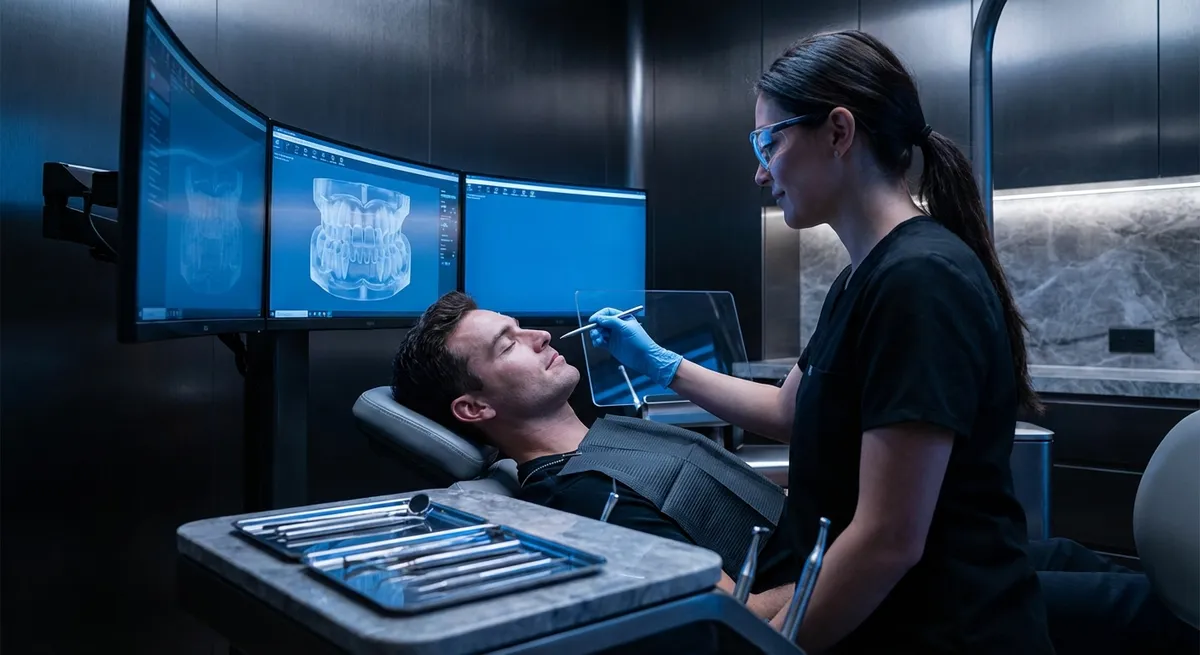
Digital smile design software allows your dentist to create a blueprint of tooth length, width, and proportions that align with your facial features. From there, a physical mock‑up (often called a “wax-up”) can be transferred to your mouth in temporary material so you can see and feel the projected result. This stage is invaluable: it allows adjustments to length (how much tooth shows when you speak or rest), width (avoiding too wide or too narrow a look), and overall personality (more rounded vs. more angular shapes) while changes are still easily reversible.
This layered process is particularly important if you are combining multiple procedures: orthodontics, implants, gum reshaping, and veneers, for example. Each stage builds on the last, with time for healing and evaluation. Patients who appreciate this level of planning often view the process like commissioning a bespoke piece of jewelry or couture tailoring—there is an artistry to the wait, and the final fit is measurably superior.
Insight 5: Material Choice Is a Strategic Decision, Not Just a Price Point
At the premium end of cosmetic dentistry, the conversation about materials goes far beyond “porcelain vs. composite.” Every option carries implications for durability, light reflection, repairability, and the way it interacts with your natural tooth structure and gums.
High‑strength ceramics like lithium disilicate and zirconia‑based materials offer exceptional durability for crowns and some veneers, especially in high‑pressure bite areas. Ultra‑esthetic porcelains can provide striking translucency and depth, ideal for front teeth where light behavior is critical. Well‑placed composite bonding can deliver subtle reshaping or edge repairs with minimal or no removal of enamel, making it a versatile tool for conservative enhancements.
An elevated clinician will also consider how your chosen material ages—how it resists staining, how easily it can be polished, and how it will appear against your natural teeth over the years. In implant dentistry, the choice of abutment material (the connector between the implant and crown) and the design at the gumline can significantly affect how natural the restoration appears, especially in the front of the mouth.
Rather than asking only, “How long will it last?” a more discerning question is, “How will this material look, feel, and function five, ten, or fifteen years from now—and what will my options be if I wish to refine it later?” The answers to those questions distinguish a transaction from a thoughtfully curated long‑term plan.
Conclusion
A truly elevated smile makeover is less about chasing perfection and more about curating harmony: between bite and beauty, color and character, gums and teeth, technology and artistry, present desires and future needs. When you understand the structural, biological, and aesthetic decisions beneath the surface, you are better equipped to choose a clinician—and a treatment path—aligned with your standards.
For those who view their smile as an investment in personal presence, the goal is clear: insist on planning that is as meticulous as the result is effortless. The most exquisite transformations are not simply seen; they are experienced every time you speak, laugh, and live with complete confidence.
Sources
- American Academy of Cosmetic Dentistry (AACD) – What Is Cosmetic Dentistry? - Overview of cosmetic procedures, planning concepts, and material options used in aesthetic dentistry
- Mayo Clinic – Dental Crowns - Explains indications, materials, and long‑term considerations for crowns used in restorative and cosmetic treatment
- National Institute of Dental and Craniofacial Research (NIDCR) – TMJ Disorders - Details how bite issues and jaw function relate to discomfort and why occlusion matters clinically
- Harvard School of Dental Medicine – Esthetic Dentistry Overview (CE Course Description) - Describes contemporary approaches to esthetic treatment planning, materials, and interdisciplinary care
- Cleveland Clinic – Dental Veneers - Provides an evidence‑based explanation of veneer procedures, indications, and durability considerations
Key Takeaway
The most important thing to remember from this article is that this information can change how you think about Dental Procedures.