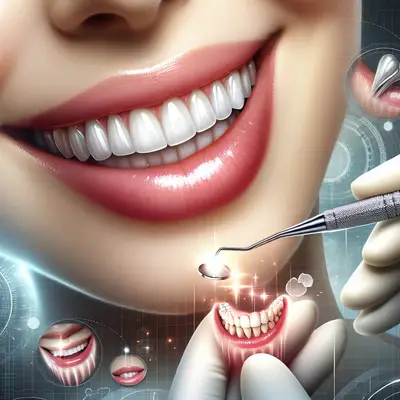
A refined smile is no longer a singular treatment; it is a strategy. Today’s most discerning patients approach cosmetic dentistry the way they would commission a bespoke suit or curate a wardrobe: with intention, nuance, and a long-term vision. Done well, a dental makeover becomes less about “fixing teeth” and more about orchestrating proportion, light, and facial harmony—with results that feel quietly exquisite rather than obviously altered.
Below are five exclusive insights that sophisticated patients increasingly expect from their cosmetic experience—details that separate a standard transformation from a truly elevated one.
Cosmetic Dentistry as Part of Your Overall Aesthetic Identity
Cosmetic dentistry is drifting away from the idea of a “perfect smile” and toward the concept of an aesthetic identity—one that reflects your lifestyle, profession, and personal style.
Rather than imposing a universal template, leading clinicians study how you move through the world. Are you in a boardroom, on camera, or in private client settings where subtlety matters more than spectacle? Your dental choices—shape, brightness, translucency, and even micro-asymmetries—can be tailored to signal authority, warmth, approachability, or youthful vitality.
This is where cosmetic dentistry intersects with personal branding. A slightly softened incisal edge might project a gentler elegance; a more defined, symmetrical line can read as precise and highly polished. The objective is not to look “done,” but to look unmistakably like yourself on your very best day. For those accustomed to custom tailoring and curated skincare, a bespoke smile becomes the natural next layer in a holistic aesthetic strategy.
The New Language of Tooth Proportions and Facial Balance
Advanced cosmetic work is less about whiteness and more about ratios. The best results rarely draw attention to the teeth alone; they quietly refine the entire face.
Modern smile design considers:
- Golden proportions and tooth width-to-length ratios: Central incisors that are slightly dominant anchor the smile and can make the face appear more structured.
- Smile arc and lip line: How the curve of your upper teeth mirrors the curve of your lower lip when you smile strongly influences whether your smile looks soft, powerful, or understated.
- Buccal corridors (the “negative space” at the corners of your smile): Minimizing dark spaces can create a fuller, more youthful look—without touching the lips.
- Incisal translucency and surface texture: Micro-texturing and controlled translucency at the edge of the tooth mimic the way natural enamel handles light, avoiding the flat, opaque look that immediately suggests “cosmetic work.”
Elite clinicians use photography, video, and digital smile design software not just to plan teeth, but to evaluate how your entire face moves and ages. The result: teeth that support cheekbones, soften nasolabial folds, and complement facial features instead of competing with them.
Material Choices: The Quiet Difference You Actually See
To the untrained eye, porcelain is porcelain. To a sophisticated patient, the distinctions are profound.
High-end cosmetic practices work with master ceramists who treat each tooth as a miniature piece of sculpture. Subtleties that matter include:
- Type of porcelain: Modern lithium disilicate and layered feldspathic ceramics can blend translucency, strength, and nuanced color gradients that closely mimic natural enamel.
- Shade philosophy: Instead of “Hollywood white,” bespoke veneers often use a slightly warmer or more neutral shade with micro-variation from tooth to tooth. This creates a believable, luminous effect rather than a flat, uniform block of color.
- Edge design: A delicately feathered incisal edge reflects light differently than a blunt, machine-cut line. This alone can distinguish an elegant result from an obvious one.
- Gum-tissue compatibility: Biocompatible materials with polished margins are less likely to irritate the gums, preserving that healthy, pale pink halo that frames each tooth and instantly signals quality.
Patients investing in premium cosmetic work increasingly request to be part of the material conversation. Understanding why your clinician prefers a specific ceramic, bonding system, or lab is part of treating your smile as a long-term asset, not a temporary upgrade.
Time as a Luxury: Staging, Trial Smiles, and Micro-Refinements
Rushed cosmetic dentistry looks rushed. Discerning patients now expect a phased, meticulously managed process that respects both aesthetics and biology.
A refined treatment journey often includes:
- Extended consultation and photographic analysis: Multiple sets of photographs and videos (at rest, speaking, and laughing) allow your dentist to design a smile that works in motion, not just in a posed snapshot.
- Digital or wax mock-ups: Before any definitive work is done, a “preview” of your new smile—on screen or in your mouth with temporary material—lets you experience changes in real time and give precise feedback.
- High-end provisionals (temporary restorations): Thoughtfully crafted temporaries let you live with your new lengths, contours, and bite for a few weeks. Adjustments at this stage are far easier than reworking final porcelain.
- Refinement appointments: Short, dedicated visits focused solely on micro-adjustments—polishing edges, fine-tuning length, or subtly adjusting translucency—ensure the final result is not just excellent, but exact.
This slower, more deliberate timeline is not inefficiency; it is craftsmanship. Just as a well-cut garment requires fittings, a sophisticated smile benefits from trial, iteration, and the luxury of time.
Longevity Strategy: Designing a Smile to Age Gracefully
A truly premium smile is built for the future as much as for the reveal. The question is no longer simply, “How will this look tomorrow?” but “How will this look—and function—ten years from now?”
Elevated cosmetic planning should include:
- Bite analysis and functional stability: Even the most beautiful veneers can fail if the bite is imbalanced. Careful evaluation of how your teeth meet, glide, and load under pressure protects your investment and reduces the risk of fractures or loosened restorations.
- Consideration of parafunctional habits: If you clench, grind, or have a history of tension-related jaw issues, night guards, bite adjustments, or adjunct therapies may be built into the plan from the outset.
- Gum and bone health forecasting: Subtle early signs of gum recession, bone loss, or inflammatory risk can shape where margins are placed and how restorations are designed, helping your smile remain refined, not exposed, over time.
- Shade and style that age well: Hyper-white, thick, or trend-driven tooth designs can date quickly. Slightly softer tones, respect for natural anatomy, and a focus on harmony over drama tend to remain elegant across decades.
- Maintenance as ritual, not afterthought: Periodic professional polish, careful home care, and measured use of whitening (when appropriate) become part of a curated maintenance routine aligned with your broader self-care standards.
When a cosmetic dentist treats your makeover as a long-term collaboration, your smile is no longer a static outcome but a living, evolving feature that moves gracefully through time.
Conclusion
Cosmetic dentistry at its highest level is less a single appointment and more a philosophy: teeth treated not as isolated units, but as instruments of expression, identity, and quiet power. The most refined results come from a confluence of art, science, and deliberate pacing—where material selection, proportion, and function are elevated to the same level as aesthetics.
For those accustomed to tailoring the details of their lives, an exceptional smile is not about being noticed. It is about feeling composed, authentic, and impeccably finished—whether you are under bright lights or in the softest, most private moments of the day.
Sources
- American Academy of Cosmetic Dentistry (AACD) – What Is Cosmetic Dentistry? - Overview of common cosmetic procedures and principles used by accredited cosmetic dentists
- Mayo Clinic – Dental Veneers - Evidence-based explanation of veneer materials, indications, and risks
- Cleveland Clinic – Dental Crowns and Bridges - Details on restorative materials, longevity, and functional considerations
- National Institute of Dental and Craniofacial Research (NIDCR) – Oral Health Topics - Authoritative information on gum health, enamel, and conditions that affect long-term outcomes of cosmetic work
- Harvard Health Publishing – Grinding Teeth: Bruxism and Oral Health - Discussion of parafunctional habits and their impact on restorations and bite stability
Key Takeaway
The most important thing to remember from this article is that this information can change how you think about Cosmetic Dentistry.