Cosmetic dentistry today is less about chasing perfection and more about curating an aesthetic that feels unmistakably your own. For those considering a dental makeover, the conversation has evolved from “What can you fix?” to “What should we enhance—and why?” This is where premium cosmetic dentistry truly begins: at the intersection of design, biology, and identity. Below, we explore five exclusive, often-overlooked insights that can transform a routine smile upgrade into a deeply considered aesthetic strategy.
The Architecture of a Smile: Why Proportions Matter More Than Whiteness
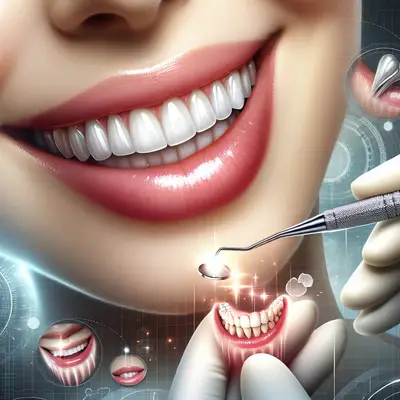
The first instinct for many is to ask for whiter teeth—but the most refined smiles are not defined by shade alone. Cosmetic dentists increasingly work like facial architects, calibrating each tooth to the geometry of the face, the curvature of the lips, and the balance of the profile.
Instead of starting with a color sample, a sophisticated treatment plan begins with proportion: the length-to-width ratio of the central incisors, the gradual "stepping down" of lateral teeth, and the way the upper teeth follow the contour of the lower lip when you speak or laugh. Advanced practitioners use digital smile design software and high-resolution photography to test these proportions before a single tooth is touched.
The result is not merely “straighter” or “nicer” teeth, but a smile that aligns with your facial structure, age, and personal style. A slightly softened incisal edge, a more vertical central incisor, or a subtle adjustment to gum levels can be the difference between a generic smile and one that feels innately, quietly correct.
Material Sophistication: The New Language of Porcelain and Composite
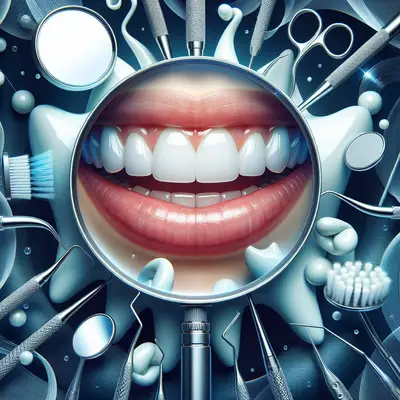
In premium cosmetic dentistry, the conversation around materials has become almost couture. Two veneers may look similar at a glance, but the underlying materials, layering techniques, and fabrication methods can dramatically affect translucency, durability, and how the teeth photograph in different lighting.
Ultra-thin porcelain veneers, for instance, can be layered with micro-variations in color and translucency to mimic the way natural enamel scatters light. High-end ceramics are chosen not just for strength but for how they age—whether they retain their luster over years of coffee, red wine, and flash photography. For some cases, expertly placed composite bonding offers a more conservative approach, ideal when minimal alteration of natural tooth structure is a priority.
An elevated consultation will include a conversation about lab quality, ceramist artistry, and whether your lifestyle—frequent travel, public speaking, photography, or on-camera work—demands specific material choices. The truly bespoke outcome emerges when your dentist and ceramist collaborate with the same precision you would expect from a tailor and patternmaker designing a custom garment.
The Subtle Power of Micro-Expression Design
A sophisticated smile makeover extends beyond how your teeth look in a posed photograph. Elite cosmetic dentists now evaluate how your smile behaves in motion—what are known as micro-expressions. That fleeting half-smile in conversation, the asymmetry when you laugh, even how your lips rest at idle can all be intentionally preserved or refined.
Instead of erasing asymmetries, a discerning approach respects certain natural quirks that give character, while correcting only those aspects that age or tire the face. A single rotated tooth might be gently aligned but not made perfectly symmetrical, preserving a sense of authenticity. The vertical dimension of your bite might be subtly adjusted to support fuller lips and a more relaxed lower face, influencing the overall impression of youth and vitality without a hint of artifice.
This is where cosmetic dentistry intersects with facial aesthetics: the goal is not to create a “perfect” smile, but a dynamic one that reads as emotionally congruent, elegant, and expressive in real life—not just in still images.
Longevity as Luxury: Planning for a 10–20 Year Horizon
Truly premium care is not judged on how your smile looks the week after treatment, but how it lives with you over the next decade. A refined smile makeover considers the long game—how your teeth, gums, and bite will respond to daily wear, minor shifts, and lifestyle habits.
This future-focused planning includes assessing your bite force, jaw alignment, and potential for grinding or clenching (bruxism). Night guards, microscopic bite adjustments, and regular professional maintenance become part of a long-term aesthetic strategy, not an afterthought. Even your travel schedule and time zone changes may factor into how follow-up care and maintenance are structured.
Materials are chosen not only for their initial beauty but for how gracefully they will age—resistance to staining, surface wear, and chipping. The most elegant result is not one that looks dramatically “done” today, but one that still looks quietly impeccable and structurally sound many years from now, with only minimal refinements and occasional professional polishing.
Personal Branding for the Face: Aligning Your Smile With Your Narrative
For many professionals, entrepreneurs, and creatives, a smile makeover functions as part of a broader personal brand strategy—though often this is felt intuitively rather than named explicitly. The questions then shift from “How white?” to “What do I want my presence to communicate?”
A refined, thoughtfully designed smile can suggest approachability, authority, creativity, or restraint, depending on subtleties of shape and contour. Slightly rounded edges can soften a very angular face, projecting warmth and accessibility. More defined, sharper incisal edges can align with a modern, fashion-forward persona. Tone, too, matters: a cooler, brighter shade may feel right on stage under lights, while a softly calibrated, natural shade is perfect for those whose influence lives primarily in intimate, in-person settings.
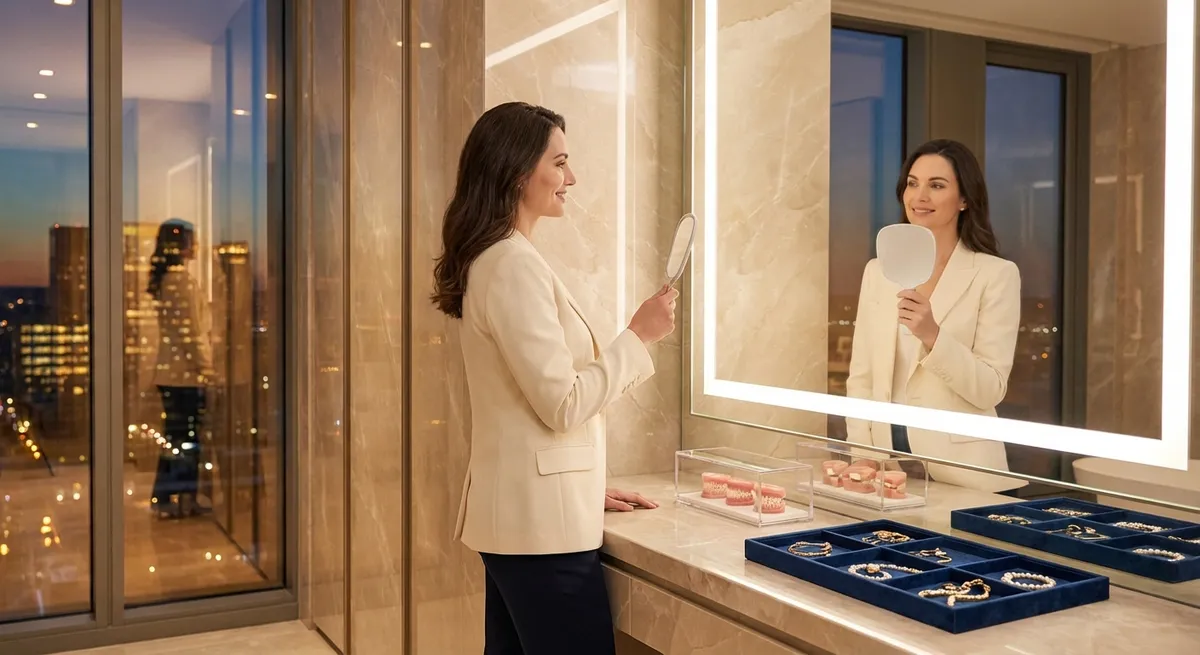
The true luxury is coherence—when the story your smile tells is in harmony with your clothing, your voice, your manner, and the environments you move through. A sophisticated cosmetic dentist will not just ask what you dislike about your teeth; they will ask how you live, work, and wish to be perceived. The resulting smile then becomes less an isolated feature and more a quiet but powerful part of your overall visual identity.
Conclusion
A premium smile makeover is no longer a simple sequence of whitening, straightening, and veneering. It is an exercise in proportion, material science, micro-expression, durability, and personal narrative. When approached with this level of nuance, cosmetic dentistry stops being a corrective procedure and becomes an extension of your aesthetic intelligence.
The most memorable smiles are not the brightest or the straightest; they are the ones that feel inherently, almost inevitably, right on the face that wears them. When you choose your dental team and your treatment path, look for this deeper layer of thinking. In that space—where design, biology, and identity converge—you will find the difference between a nice result and an exceptional one.
Sources
- [American Academy of Cosmetic Dentistry – What Is Cosmetic Dentistry?](https://aacd.com/procedures) - Overview of modern cosmetic dentistry procedures, materials, and planning considerations
- [Mayo Clinic – Veneers](https://www.mayoclinic.org/tests-procedures/dental-veneer/about/pac-20384980) - Evidence-based explanation of porcelain veneers, risks, and longevity
- [Cleveland Clinic – Dental Bonding](https://my.clevelandclinic.org/health/treatments/21760-dental-bonding) - Clinical insights into composite bonding as a conservative cosmetic option
- [Harvard Health Publishing – How Your Teeth Affect Your Health](https://www.health.harvard.edu/staying-healthy/how-your-teeth-and-gums-affect-your-health) - Context on the relationship between oral health, function, and long-term well-being
- [National Institute of Dental and Craniofacial Research (NIDCR)](https://www.nidcr.nih.gov/research/data-statistics/tooth-wear) - Scientific background on tooth wear, bite forces, and considerations for long-term restorative planning
Key Takeaway
The most important thing to remember from this article is that this information can change how you think about Cosmetic Dentistry.