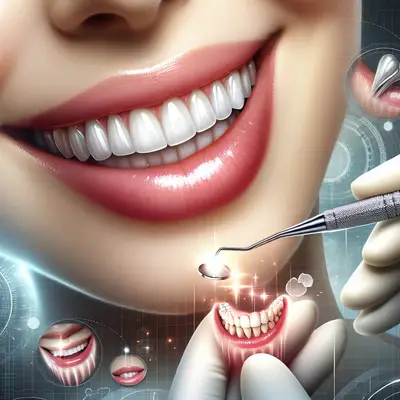
A beautifully executed smile makeover is no longer about obvious perfection; it is about a cultivated ease that feels utterly your own. Cosmetic dentistry today operates at the intersection of science, aesthetics, and personal branding—subtle enough to pass as entirely natural, yet considered enough to elevate every interaction. For discerning patients, the true luxury lies not in a single procedure, but in the orchestration of details: proportion, translucency, gum contour, facial dynamics, and long‑term harmony.
This is cosmetic dentistry as quiet self‑investment—refined, strategic, and deeply individual.
Redefining “Perfect”: From Symmetry to Character
For years, the ideal smile was treated as a formula: whiter, straighter, more symmetrical. Contemporary cosmetic dentistry has moved far beyond that template. Increasingly, clinicians and patients are prioritizing character over uniformity—embracing small asymmetries, delicate texture, and subtle color variation to preserve a sense of authenticity.
Rather than chasing a generic “Hollywood” look, advanced practitioners start by mapping how your teeth support your overall expression. How does your smile sit within your face at rest? How much tooth shows when you speak? How does your upper lip move? This more nuanced evaluation often leads to restrained intervention: micro-adjustments in length, shape, or translucency that soften harsh angles, restore youthful light-reflection, or correct long-standing disharmonies without announcing that any work has been done.
For patients accustomed to excellence in other domains—tailored clothing, fine interiors, considered skincare—this shift away from cookie-cutter perfection toward “elevated realness” is often the most satisfying outcome of all.
Five Exclusive Insights for a Truly Considered Smile Makeover
The most successful dental transformations are built on insights that go far beyond simply choosing veneers or whitening. These five principles sit behind many of the most polished, undetectable makeovers.
1. Your Bite Shapes More Than Comfort—It Shapes Aesthetics
Many people think of their bite purely in functional terms: can I chew comfortably, and do my teeth touch correctly? Yet your bite is also an aesthetic foundation. An unstable or collapsed bite can shorten the face, deepen lines around the mouth, and make even the most beautiful veneers look “off” with time.
Sophisticated cosmetic plans now integrate occlusal (bite) analysis from the very beginning. Digital scans and articulated models allow your dentist to see how your upper and lower teeth move against each other, where forces concentrate, and whether small refinements—such as adjusting tooth length or angulation—could create both a more flattering lower face and a more durable result. In some cases, minor orthodontics or clear aligner therapy precedes cosmetic work, not for obvious straightening, but to create a calm, stable bite that will protect your investment for years.
The refined insight: a well-designed bite doesn’t just feel better; it quietly supports facial balance, lip posture, and the longevity of every cosmetic detail.
2. Gum Architecture Is the Unsung Luxury Detail
An exquisite smile is framed as carefully as a work of art. The “frame” in dentistry is your gingival architecture—the scalloped line of your gums and the way they meet each tooth. Even the most meticulously crafted ceramic will look compromised if the gums appear uneven, puffy, or overly prominent.
Contemporary cosmetic practices often incorporate minimally invasive gum contouring (sometimes with laser technology) to refine this frame. Correcting a single high gum line over a front tooth can transform the perceived symmetry of the entire smile. For patients with a “gummy” smile, subtle reshaping or more advanced techniques can lengthen the visible teeth, lending a more refined, mature appearance without feeling severe.
This level of detail—evaluating how the gum margins align from canine to canine, how much pink shows when you laugh, and how the tissue responds to light—is what distinguishes a high-end, photography-ready result from something that appears merely “fixed.”
3. Translucency and Texture Matter More Than Extreme Whiteness
The most elegant cosmetic results rarely read as “bright white” to the naked eye. Instead, they exhibit depth and nuance: slightly warmer tones at the neck of the tooth, cooler translucency at the edge, and microsculpted surface texture that mimics natural enamel.
Master ceramists now work almost like fine jewelers, layering porcelains with varying opacities and tones to capture this depth. Your dentist may bring you into the shade selection process under different lighting—daylight, studio light, and indoor ambient light—to ensure your new smile remains flattering and believable, not chalky or fluorescent, in real life.
The understated luxury is in restraint. A half-shade softer than you first imagined often reads far more sophisticated in photographs and professional settings. Likewise, preserving or subtly recreating microtexture on the tooth surface allows light to diffuse naturally, avoiding that overly flat, “veneered” sheen that can betray even expensive work.
4. The Smile-in-Motion Test Is Non-Negotiable
A smile that looks perfect in a still photograph may behave quite differently in motion. High-end cosmetic workflows now incorporate video, not just static imaging, to analyze how your teeth and lips interact as you speak, laugh, and transition from serious to smiling.
This “smile-in-motion” assessment detects issues that traditional before-and-after photography can miss: a veneer that looks slightly long only when you say certain sounds, a lower tooth that becomes visible in speech and disrupts harmony, or a dark corridor at the corner of the mouth that appears only during wide laughter. By previewing these nuances with digital smile design tools and mock-ups, your clinician can make micro-adjustments that pay enormous dividends in daily life.
For those in public-facing roles—executives, speakers, media personalities—this dynamic evaluation is particularly valuable. The goal is not just a beautiful still image, but a smile that looks composed and effortless in every scenario, from a candid video call to a formal keynote.
5. Longevity Is Curated Through Lifestyle, Not Just Materials
Premium materials—high-strength ceramics, advanced composites, and modern adhesives—are essential but not sufficient for long-term success. The real secret to a lasting, refined smile lies in aligning your treatment with your lifestyle and habits.
A thoughtful practitioner will ask: Do you clench under stress or while you sleep? Do you favor extremely hard or staining foods? Are you a frequent traveler who might need a simplified maintenance plan? The answers guide decisions such as whether to recommend protective night guards, schedule more frequent professional cleanings, or design restorations that are slightly more conservative in high-stress areas.
There is also a strategic art to planning “maintenance-friendly” aesthetics. For instance, using minimally invasive bonding in some zones allows for subtle touch-ups over time, while preserving more permanent ceramics in others. Your smile thus ages gracefully, with periodic refinements that keep it fresh without ever forcing a complete overhaul.
In this way, a cosmetic smile makeover becomes an ongoing collaboration—a curated program rather than a single event.
Navigating Options with Confidence and Clarity
For those considering cosmetic dentistry, the abundance of options can feel both empowering and overwhelming. Veneers, bonding, Invisalign, whitening, gum sculpting, implants—the combinations are virtually endless. The key is to choose a clinic that approaches your smile not as a collection of teeth to be corrected, but as part of your broader identity and lifestyle.
Look for practices that invest in comprehensive diagnostics: 3D imaging, high-quality photography, digital scans, and detailed conversations about your professional image, personal style, and long-term expectations. Ask to see examples of work that mirrors the subtlety you desire, rather than dramatic transformations alone. A premium cosmetic plan should feel less like a menu of procedures and more like a tailored roadmap, with sequencing that respects both your schedule and your comfort.
Above all, allow time for planning. The most exquisite smiles are rarely the fastest. They emerge from thoughtful design, precise execution, and a shared understanding between patient, dentist, and ceramist of what “beautiful” means for you—not for anyone else.
Conclusion
Modern cosmetic dentistry has matured into a discipline of refinement rather than spectacle. It is less about announcing change and more about orchestrating a quiet evolution—where teeth, gums, lips, and facial structure work in concert to project ease, confidence, and authenticity.
For patients seeking more than a quick fix, the true luxury lies in the details: the stability of your bite, the architecture of your gums, the nuance of color and texture, the behavior of your smile in motion, and the way your treatment plan anticipates your life years into the future. Approached thoughtfully, a smile makeover becomes one of the most enduring, subtly transformative investments you can make in how you move through the world.
Sources
- American Academy of Cosmetic Dentistry – Cosmetic Dentistry Procedures – Overview of modern cosmetic options and philosophies from a leading professional organization.
- American Dental Association – Veneers – Evidence-based explanation of veneer indications, benefits, and considerations.
- Mayo Clinic – Dental Work and Bite Problems – Discusses how bite issues (TMJ and occlusion) interact with dental treatments and comfort.
- Harvard School of Dental Medicine – Digital Dentistry and Smile Design – Insight into how digital tools are transforming aesthetic planning and execution.
- UCLA School of Dentistry – Periodontal Health and Aesthetics – Explores the critical role of gum health and contour in overall smile aesthetics.
Key Takeaway
The most important thing to remember from this article is that this information can change how you think about Cosmetic Dentistry.