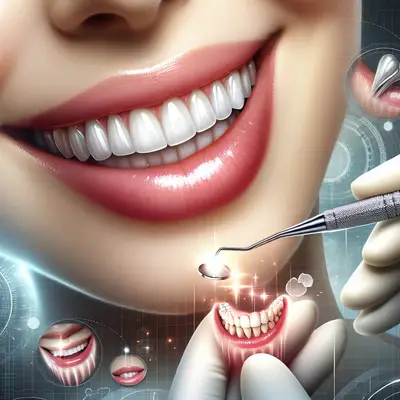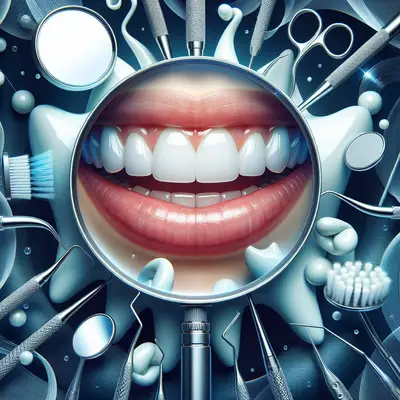
Cosmetic dentistry is no longer about simply “fixing teeth.” For an increasingly discerning audience, it has evolved into a curated experience where science, aesthetics, and personal branding converge. The most exquisite smile makeovers are rarely obvious; they appear effortless—yet behind them lies meticulous planning, advanced technology, and an obsession with nuance.
This is the realm where cosmetic dentistry becomes a quiet luxury: tailored, precise, and deeply personal. Below, we explore five exclusive insights that elevate a dental makeover from “nice improvement” to “impeccably composed.”
The New Gold Standard: Natural, Not Noticeable
The era of ultra-white, uniform “celebrity teeth” is fading. Today’s premium cosmetic outcomes are defined by restraint, not excess.
The most refined cosmetic dentists work with micro-variations in shape, translucency, and brightness to mimic the complexity of natural enamel. Instead of a uniform block of white, high-end veneers may incorporate:
- Soft gradations of color from gumline to edge
- Subtle translucency along the incisal (biting) edges
- Microscopic surface texture that interacts with light rather than reflecting it harshly
The result is a smile that looks like you on your very best day, not like someone else’s template. From a conversational distance, nothing announces “I’ve had work done.” It simply reads as health, vitality, and quiet confidence.
For those considering a makeover, this means asking different questions during consultations: less “How white can we go?” and more “How can we create something that looks undeniably natural in daylight, photos, and close conversation?”
The Power of Facial Context: Your Smile Does Not Exist in Isolation
Sophisticated cosmetic dentistry does not start with your teeth; it starts with your entire face.
Rather than focusing solely on individual teeth, top-tier practitioners evaluate:
- Lip dynamics: How much tooth shows at rest, when speaking, and during a full smile
- Facial symmetry: How the midline of your smile aligns with your facial features
- Gum architecture: How the gumline frames each tooth, especially in the “smile zone”
- Age cues: Whether length, color, and proportion of teeth align with your age and aesthetic goals
A carefully designed smile can soften sharper features, support the lips, and even create the impression of a more lifted, youthful lower face. Conversely, an overly aggressive whitening or excessively long veneers can clash with your complexion, lip line, or personal style.
For those seeking a makeover, the key is to look for a dentist who talks about facial aesthetics, not only dental procedures. You’re not purchasing veneers; you’re commissioning harmony between your smile and your identity.
Precision in Materials: Why All Veneers Are Not Created Equal
From the outside, two smile makeovers may look similar. Under magnification—and over time—the difference in materials and craftsmanship becomes striking.
High-end cosmetic dentistry involves nuanced choices in:
- Material type: Ultra-thin porcelain, lithium disilicate (e.g., IPS e.max), or layered ceramics, each with different strengths, translucencies, and lifespans
- Fabrication method: Hand-layered porcelain by a master ceramist versus purely milled restorations
- Color science: Advanced shade-matching that accounts for underlying tooth color, lighting conditions, and skin tone
The most luxurious outcomes often involve collaboration between dentist and ceramist, akin to designer and artisan. Photographs, videos, and even facial scans may be shared with the laboratory to ensure that the restorations are sculpted not just to fit, but to belong.
For the patient, this means prioritizing questions like:
- Who is your ceramist, and can I see their previous work?
- How do you select materials for my case, rather than using a standard choice?
- What is the long-term behavior of this material in terms of shine, stain resistance, and wear?
Refinement lies not only in how a smile looks on day one, but how gracefully it ages.
The Hidden Architecture: Bite, Function, and Long-Term Comfort
Truly elevated cosmetic dentistry never sacrifices function for aesthetics. A flawless smile that leads to headaches, jaw pain, or chipping is not luxury—it’s liability.
Behind an impeccable result lies careful attention to:
- Occlusion (bite): How upper and lower teeth meet, slide, and distribute forces
- Jaw joint health (TMJ): Ensuring that cosmetic changes do not provoke or worsen joint issues
- Wear patterns: Understanding how you grind, clench, or habitually move your jaw
- Phonetics: How changes in tooth position or length influence speech sounds
Elite cosmetic practitioners often conduct detailed bite analysis, digital scans, and even trial restorations (provisional veneers or mock-ups) to refine both look and function before committing to final ceramics.
This level of planning is not merely technical; it is an investment in day-to-day comfort. The true test of a premium smile is not whether it dazzles in photos, but whether it disappears into your life—effortless to speak with, eat with, and smile with, for years to come.
The Soft Tissues: Gums, Lips, and the “Frame” of Your Smile
A beautiful smile is not defined only by enamel; the soft tissues surrounding your teeth quietly dictate whether the overall impression feels polished or unfinished.
Advanced cosmetic dentistry often includes:
- Gum contouring or lifting to refine asymmetries or reduce a “gummy” smile
- Management of gum health to ensure delicate, coral-pink tissue rather than inflamed or receded margins
- Strategic tooth lengthening to balance gum-to-tooth ratios and restore youthful proportions
In some cases, collaboration with other disciplines—such as dermatology or facial aesthetics—is part of a comprehensive plan. For example, improving lip support through carefully planned restorations may reduce the need for fillers, or subtle soft-tissue enhancements may complement a newly harmonized smile.
For patients, the most elevated makeover often includes attention to the “frame” as much as the “artwork” itself. The difference between an attractive smile and an exquisitely finished one often lies in millimeters of gum contour and the way lips interact with the new tooth shapes.
Conclusion
Cosmetic dentistry at its highest level is neither loud nor obvious. It is a discipline of restraint, precision, and deep listening—both to your facial architecture and to your personal aesthetic.
Five core insights distinguish the extraordinary from the ordinary:
- Natural is the new aspirational standard.
- Your smile must be designed in the context of your entire face.
- Materials and craftsmanship define how your smile ages.
- Function and comfort are non-negotiable foundations of beauty.
- Gums and lips are integral to the final, polished composition.
For those considering a smile transformation, the most important decision is not which procedure to choose, but which philosophy to embrace. When you approach your makeover as a bespoke, long-term investment in how you inhabit your face—not a quick-fix upgrade—the outcome is not just a better smile.
It is an elevated, unhurried confidence that feels entirely, quietly, and unmistakably your own.
Sources
- American Academy of Cosmetic Dentistry (AACD) – About Cosmetic Dentistry – Overview of cosmetic dentistry principles, materials, and treatment options from a leading professional organization.
- Mayo Clinic – Dental Veneers – Explains veneer types, risks, and considerations, supporting discussions on materials and long-term outcomes.
- Cleveland Clinic – Occlusion: How Your Teeth Come Together – Provides foundational information on bite and function, relevant to long-term comfort in cosmetic cases.
- Harvard School of Dental Medicine – Esthetic Dentistry and Oral Health – Institutional resource on the intersection of aesthetics and oral health; supports the emphasis on gums, function, and comprehensive care.
- National Institutes of Health (NIH) – Advances in Dental Materials – Discusses modern restorative materials and their properties, informing the section on material choice and longevity.
Key Takeaway
The most important thing to remember from this article is that this information can change how you think about Cosmetic Dentistry.