A truly elevated smile makeover is less about brightening enamel and more about orchestrating harmony—between features, personality, lifestyle, and long‑term health. Cosmetic dentistry at its highest level behaves like architecture: carefully proportioned, structurally sound, and quietly expressive of the person it serves. For individuals accustomed to bespoke experiences, understanding the nuances behind an exceptional result is essential. The following insights move beyond the usual “before and after” narrative and into the refined considerations that define world‑class smile design.
The Silent Blueprint: How Face-First Planning Changes Everything
A premium cosmetic result does not begin with the teeth; it begins with the face.
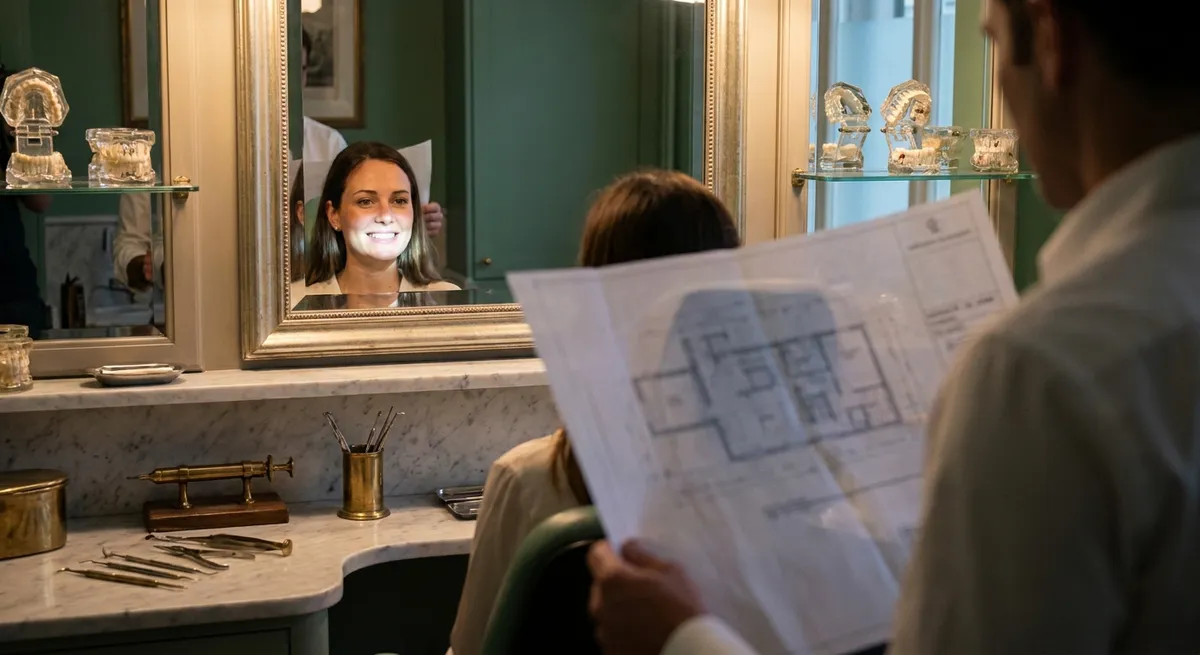
Sophisticated cosmetic dentists work “face-first,” analyzing facial thirds, lip posture, and smile dynamics before touching a single tooth. They study how your upper lip moves when you speak, how much gum shows in a spontaneous laugh, and the angle of your jawline in profile. This face-based blueprint ensures that the final smile feels innate to you rather than simply “nice teeth.”
High-level practices often incorporate full‑face photography, video of you talking and laughing, and digital smile simulations. These tools allow the dentist and ceramist to design tooth length, width, and contours that enhance cheekbones, soften a strong chin, or counterbalance asymmetry. The result is a smile that looks striking yet never “done”—the dental equivalent of a tailored garment that fits so precisely it disappears into your presence.
Exclusive Insight #1: Ask to see your proposed smile in the context of your entire face, not just a zoomed‑in view of your teeth. A face-first design is the difference between attractive teeth and a truly transformative, integrated result.
Texture, Light, and the Art of Natural Imperfection
Many unsatisfying cosmetic makeovers share the same flaw: overly uniform, high‑gloss, flat white veneers that look disconnected from real enamel and real life. In refined cosmetic dentistry, texture and translucency are as important as color.
Master ceramists sculpt micro-textures into porcelain—subtle ridges, faint vertical lines, and nuanced surface irregularities that mimic youthful enamel. They layer varying degrees of translucency to allow light to penetrate and reflect in a way that feels alive rather than artificial. A hint of warmth near the gumline or a whisper of translucence at the edge of a front tooth can create an almost undetectable realism.
Interestingly, a touch of intentional “imperfection” is often built in: a slightly rounded corner, a mild asymmetry between the central incisors, or a barely perceptible rotation that keeps the smile from feeling synthetic.
Exclusive Insight #2: When reviewing smile photos, look closely at surface texture and how the teeth handle light. Ask your dentist whether your veneers or restorations will incorporate layered translucency and fine surface characterization—not just a color shade.
Biocompatible Luxury: Materials That Respect Both Aesthetics and Biology
At a premium level, the conversation around materials goes well beyond “porcelain versus composite.” Today’s high‑end cosmetic dentistry blends aesthetics with biocompatibility and long‑term tissue health.
Monolithic zirconia, lithium disilicate (such as IPS e.max), and advanced layered porcelains each have distinct strengths in terms of durability, translucency, and interaction with gum tissue. An experienced cosmetic dentist will select materials not only for beauty, but also for how gently they contact your opposing teeth, how they behave under bite forces, and how your gums respond over time.
Equally important is the preservation of natural tooth structure. Minimally invasive approaches—no‑prep or ultra‑conservative prep veneers where appropriate—prioritize enamel preservation. Well‑bonded restorations on healthy enamel tend to age more gracefully and maintain their seal longer, which supports both function and aesthetics over the years.
Exclusive Insight #3: During your consultation, ask why specific materials are being recommended for you and how much native tooth structure will be preserved. The most luxurious result is often the one that quietly protects your biology while elevating your appearance.
The Lifestyle Fit: Designing a Smile That Works as Hard as You Do
An impeccable smile that does not suit your daily life is an incomplete design. The most forward‑thinking cosmetic dentists consider lifestyle as carefully as shade guides.
For high‑visibility professionals, restorations must look impeccable under harsh lighting—on stage, in boardrooms, and in 4K video—while remaining undetectable in casual settings. Frequent travelers may need materials and designs that tolerate changing environments, bruxism exacerbated by stress, or limited opportunities for in‑person maintenance. Those who enjoy red wine, espresso, or richly pigmented foods need realistic guidance on stain resistance and maintenance rituals.
Your smile design can be subtly tuned to your lifestyle: slightly shorter edges for those who speak on camera all day to reduce clicking sounds; carefully controlled brightness for individuals frequently photographed with flash; and occlusal schemes that protect against chipping for those who clench or grind.
Exclusive Insight #4: Share granular details about your professional demands, travel schedule, and daily habits. A meticulously tailored plan accommodates how you live now—and how you expect to live in the next decade.
Time as a Design Element: Phasing, Testing, and Emotional Fit
Exceptional cosmetic dentistry rarely rushes the process. Time is treated as a design tool rather than a constraint.
A nuanced makeover may include a “test drive” phase with highly detailed provisional (temporary) restorations. These temporaries are not merely placeholders; they are prototypes that allow you to experience new tooth length, speech patterns, and bite before committing to final porcelain. You can evaluate how your lips rest at the end of a long day, how your smile photographs in real life, and whether the new proportions feel like you—or not yet quite.
This phased approach extends to emotional comfort. For some, a dramatic transformation overnight can feel disorienting. A slow, elegantly sequenced progression—orthodontic refinement, minor contouring, carefully staged restorations—can deliver a more seamless psychological transition, aligning your internal self-perception with your evolving exterior.
Exclusive Insight #5: Ask whether your cosmetic plan will include a provisional “test phase” that mimics the final result. This refinement window is where the most subtle yet impactful adjustments often occur.
Conclusion
A truly elevated smile makeover is not a commodity; it is a carefully choreographed collaboration between anatomy, materials science, artistry, and your lived reality. When cosmetic dentistry is approached as personal architecture, every decision—down to the micron of texture or millimeter of tooth length—serves a larger narrative: a smile that feels both inevitable and unmistakably yours.
For those accustomed to tailored experiences in other areas of life, demanding this level of detail in your dental journey is not indulgent; it is simply consistent. The most sophisticated smiles are not the brightest in the room—they are the ones so precisely attuned to their wearer that they appear effortlessly, quietly perfect.
Sources
- [American Academy of Cosmetic Dentistry (AACD) – What Is Cosmetic Dentistry?](https://aacd.com/frequentlyaskedquestions) - Overview of cosmetic dentistry principles, procedures, and patient considerations
- [American Dental Association – Veneers](https://www.mouthhealthy.org/all-topics-a-z/veneers) - Consumer-focused explanation of veneer types, preparation, and expectations
- [Cleveland Clinic – Dental Veneers: Porcelain & Composite](https://my.clevelandclinic.org/health/treatments/25200-dental-veneers) - Detailed look at materials, indications, benefits, and risks of veneers
- [Columbia University College of Dental Medicine – Esthetic Dentistry](https://www.dental.columbia.edu/patient-care/specialties-services/esthetic-dentistry) - Describes modern esthetic dentistry approaches and integration with oral health
- [National Institutes of Health (NIH) – Clinical Performance of Porcelain Laminate Veneers](https://www.ncbi.nlm.nih.gov/pmc/articles/PMC6311473/) - Research article evaluating longevity and outcomes of porcelain veneers
Key Takeaway
The most important thing to remember from this article is that this information can change how you think about Cosmetic Dentistry.