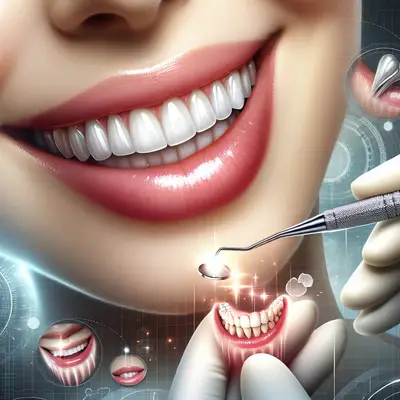
A truly refined smile is never accidental. It is curated—thoughtfully, patiently, and with an almost couture-level attention to proportion, texture, and light. For those considering a dental makeover, the conversation has evolved far beyond “white and straight.” Today’s most sought-after cosmetic dentistry is about nuance: tailoring the smile to your facial architecture, lifestyle, and even the aesthetic language you wish to project.
Below, discover five exclusive, often-overlooked insights that quietly distinguish an ordinary cosmetic upgrade from a genuinely elevated smile transformation.
Beyond Shade Charts: Managing Translucency, Texture, and Luminosity
In premium cosmetic dentistry, the question is not simply “How white?” but “How does the tooth behave in natural light?” The most refined restorations emulate the subtle complexity of natural enamel—its translucency at the edges, its depth of color near the gumline, and its gentle surface texture.
Your dentist can adjust micro-texture (tiny grooves and ridges) to influence how light scatters across the tooth surface. A slightly more textured veneer can look softer, more natural, and less reflective under flash photography, while a smoother finish offers a high-gloss, editorial sheen. Similarly, a meticulously layered porcelain can incorporate gradations of color, so the tooth never appears flat or “opaque” in candid photos or video calls.
In a bespoke smile design, shade selection becomes an art of restraint. Often, the most sophisticated result is a “calibrated natural”—brighter than your original shade, but balanced against your skin tone, lip color, and even your usual makeup palette. The aim is harmony, not shock value.
The Silent Influence of Lip Dynamics and Facial Animation
A smile is not static; it’s a moving composition. Elite cosmetic dentistry accounts for how your lips shape, reveal, and conceal your teeth as you speak, laugh, and emote—all of which can differ dramatically between people.
Your clinician may study your “smile arc” (the curve created by your upper teeth relative to your lower lip) and your “resting exposure” (how much tooth shows when your face is at rest). This is crucial: too little tooth display can age the face, while too much can feel aggressive or artificial. Sophisticated designs consider how many upper and lower teeth appear when you pronounce certain sounds or when you laugh spontaneously.
Video-based smile analysis, now used in many high-end practices, captures the micro-moments a photograph misses. This allows your dentist to refine tooth length, incisal edge shape (the cutting edge of your front teeth), and gingival line (the contour of your gums) so the smile looks intentional not only in portraits, but in motion—on camera, on stage, or across a boardroom table.
Material Choices as Lifestyle Decisions, Not Just Clinical Ones
For many patients, “porcelain vs. composite” sounds like a purely clinical or budget decision. In reality, the choice of material also reflects your long-term aesthetic and lifestyle preferences.
High-grade porcelain veneers and crowns offer remarkable color stability and resistance to staining from coffee, red wine, or richly pigmented foods. They can be crafted with extraordinary detail and, when executed by an experienced cosmetic team, often require fewer touch-ups over a decade or more. For individuals frequently photographed, on-screen, or client-facing, this consistency can be invaluable.
Composite bonding, by contrast, can be a strategic option for those desiring a more conservative, reversible approach—especially for minor corrections such as small chips, shape refinement, or closing minimal gaps. Composites can be artistically layered chairside in a single visit, but they may require periodic polishing or replacement to maintain their original luster.
A sophisticated treatment plan aligns materials with your reality: Are you willing to schedule preventative maintenance sessions? How important is long-term color stability under professional lighting? Do you travel frequently and need lower-maintenance solutions? Thoughtful customization ensures your smile remains as practical as it is polished.
Bite Harmony: The Hidden Foundation of Long-Lasting Aesthetics
Beautiful veneers on an unstable bite are like designer shoes on a fractured staircase—impressive, but precarious. Advanced cosmetic dentistry quietly begins with function: aligning your bite (occlusion) to protect both your natural teeth and any restorations you receive.
Subtle misalignments can accelerate wear, create tiny fractures in porcelain, and contribute to jaw tension or headaches. Many clinicians now integrate digital bite analysis, 3D imaging, and sometimes orthodontic alignment—clear aligners, for instance—before finalizing cosmetic work. This ensures that when you close your mouth, forces are distributed predictably and gently.
For patients who clench or grind (often unconsciously, especially at night or under stress), a high-quality night guard may be a non-negotiable part of the plan. This slim, custom-crafted appliance can extend the life of your veneers or bonding significantly, preserving both your investment and your comfort.
In the most refined makeovers, the bite is treated as an invisible but critical design element: unseen by others, yet essential to the longevity and serenity of your new smile.
Designing for Time: How a Premium Smile Ages with You
The most elevated cosmetic dentistry does not only consider how your smile looks next month, but how it will feel and appear five, ten, or even fifteen years from now. This “future-facing” approach can subtly alter decisions about tooth shape, length, and brightness.
Slightly softer, rounded edges can wear more gracefully over time and avoid the “overly sharpened” look that can date a smile prematurely. A carefully chosen shade—refined rather than extreme—maintains believability as your hair color, skin tone, or personal style evolves. For patients in their 40s, 50s, and beyond, the aim is often rejuvenation without erasing character; maintaining hints of individuality in tooth shape or alignment can keep the result from feeling generic.
Long-term planning also extends to the supporting tissues. Healthy gums, meticulous hygiene, and regular professional maintenance are indispensable. High-end practices often provide a tailored maintenance protocol, including specific at-home tools, whitening touch-up strategies, and check-up frequency calibrated to your restorations and risk profile.
When cosmetic dentistry is approached as a long-term collaboration rather than a one-time procedure, your smile becomes a living asset—refined, adaptable, and consistently aligned with who you are becoming.
Conclusion
A truly exceptional smile makeover transcends the conversation around “perfect teeth.” It is a deliberate composition of light, proportion, movement, and longevity—engineered as much for how you live as for how you look. By understanding the nuances of translucency, lip dynamics, material selection, bite harmony, and long-term aging, you’re better equipped to collaborate with your dentist on a result that feels quietly luxurious rather than conspicuously altered.
In the end, the most compelling cosmetic dentistry does not announce itself. It simply allows you to inhabit your own presence more fully—your expressions easier, your laughter unselfconscious, your confidence unmistakable.
Sources
- [American Academy of Cosmetic Dentistry (AACD) – About Cosmetic Dentistry](https://www.aacd.com/about) - Overview of cosmetic dentistry principles, procedures, and standards of care
- [Mayo Clinic – Veneers](https://www.mayoclinic.org/tests-procedures/dental-veneer/about/pac-20384980) - Clinical explanation of dental veneers, indications, and considerations
- [Cleveland Clinic – Occlusion and Bite Problems](https://my.clevelandclinic.org/health/diseases/24896-malocclusion) - Discussion of bite alignment, malocclusion, and its impact on oral health
- [Columbia University College of Dental Medicine – Dental Aesthetics](https://www.dental.columbia.edu/patient-care/specialties/aesthetic-dentistry) - Academic perspective on aesthetic and restorative dental treatments
- [National Institutes of Health (NIH) – Ceramic Materials in Dentistry](https://www.ncbi.nlm.nih.gov/pmc/articles/PMC6311473/) - Research review on ceramic (porcelain) materials and their aesthetic and functional properties in dental restorations
Key Takeaway
The most important thing to remember from this article is that this information can change how you think about Cosmetic Dentistry.