A refined smile is rarely an accident. For discerning patients, cosmetic dentistry has evolved into something closer to bespoke aesthetic planning than simple “teeth fixes.” It is an orchestration of proportion, texture, light, and long-term function—a quiet investment that reshapes how you inhabit every room you enter. Beyond whitening trays and instant veneers lies a more thoughtful conversation: What kind of presence do you want your smile to project, and how can dentistry be curated to achieve it—discreetly, durably, and beautifully?
In this piece, we explore cosmetic dentistry through the lens of five exclusive, often-overlooked insights—details that matter deeply when the goal is not just improvement, but truly exceptional results.
The Signature Line: How Your Smile Frames the Entire Face
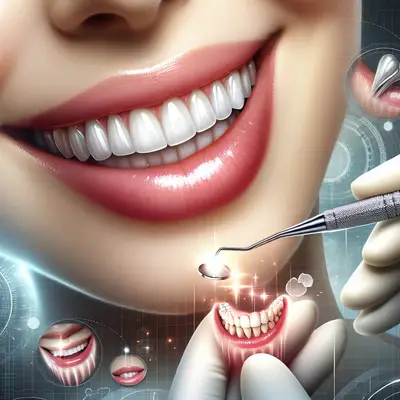
One of the most overlooked realities of cosmetic dentistry is that the teeth are never the main character—they are the frame. The true artistry lies in how that frame supports the eyes, lips, and facial structure as a whole. The upper front teeth, for example, create a “smile line” that should follow the contour of the lower lip when you smile. If this line is too flat or the teeth are too long, the face can appear tired, severe, or even prematurely aged.
A thoughtfully designed smile accounts for facial proportions: the distance between nose and chin, lip volume, cheekbones, even how much of your gums appear when you speak or laugh. Subtle changes to tooth length or width can balance a slightly asymmetrical face or soften sharp features without a single needle or scalpel touching the skin. This is why the best cosmetic outcomes do not look “like dentistry”—they look like you, on your most composed and rested day.
This is also where advanced digital smile design enters the conversation. High-resolution photos, videos, and 3D scans allow your dentist to simulate changes that consider how your smile moves in real time: during speech, laughter, and rest. Instead of selecting a “Hollywood” template, you and your clinician can co-create a smile that respects your bone structure, lip dynamics, and personality—bold or understated, youthful or timeless.
Texture, Translucency, and the Luxury of Subtlety
To the untrained eye, a veneer is a veneer. To a discerning patient, the difference between standard ceramic and meticulously layered porcelain is as pronounced as the difference between off-the-rack and couture tailoring.
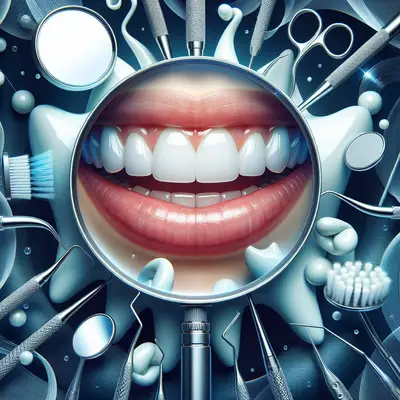
Natural teeth are not a single block of uniform white; they have depth. The edges are often slightly translucent, the body of the tooth has gradations of color, and the surface carries micro-texture—delicate ridges and subtle irregularities that catch light in a recognizable, human way. When veneers are too opaque, overly smooth, or uniformly bright, the result can look flat, artificial, and oddly reflective in photographs.
A premium cosmetic approach pays close attention to:
- Translucency at the incisal edge: Mimicking the faint glass-like border of natural enamel.
- Micro-texture: Fine surface detailing that prevents a “plastic” gloss and allows for soft, elegant light reflection.
- Color layering: Slight variation in hue from gumline to edge for a dimensional, natural effect.
- Luster, not glare: A finish that appears hydrated and healthy rather than mirror-shiny.
These elements matter especially under professional lighting and high-resolution cameras, where overly uniform restorations reveal themselves instantly. The luxury lies in subtlety: a smile that reads as naturally luminous, even under scrutiny.
Beyond White: Shade, Contrast, and the Art of “Appropriate Brightness”
Many patients arrive with a single request: “I want them whiter.” However, true aesthetic refinement comes from selecting the right brightness, not simply the brightest possible. Teeth that are excessively white can appear detached from the complexion, exaggerate fine lines, or draw disproportionate attention in photographs. The more curated question is: “What shade supports your skin tone, eye color, and overall style?”
A sophisticated cosmetic plan considers:
- Skin undertone: Cool, warm, or neutral undertones influence whether a slightly cooler or warmer tooth shade will look harmonious.
- Lip color preferences: If you favor deeper or bolder lip shades, the teeth must stand up to that contrast without looking artificial.
- Age-appropriate nuance: Extremely bright, opaque shades may clash with a mature face, while slightly softened brightness can look elegant and believable.
- Context of your environment: For individuals frequently on camera, under studio lighting, or on stage, the selected shade and translucency must remain balanced under intensity and glare.
Your dentist can use calibrated shade guides and digital photography to preview how different shades interact with your complexion. The goal is not to chase an abstract ideal of “white,” but to curate a shade that feels intentional—clean, luminous, and in conversation with the rest of your features. When shade is chosen with this level of precision, the reaction from others is not “You whitened your teeth,” but “You look incredibly well-rested.”
Longevity as a Design Principle, Not a Technical Detail
In truly elevated cosmetic dentistry, longevity is not an afterthought—it is a design principle from the first consultation. A stunning smile that fractures, stains, or chips prematurely is not luxury; it is inconvenience disguised as beauty.
Durability starts with understanding how you use your teeth: Do you clench or grind at night? Do you favor very hard or acidic foods? Do you travel frequently, limiting your access to routine maintenance? These factors influence material selection (e.g., lithium disilicate vs. zirconia vs. layered porcelain), preparation design, and even whether certain procedures should be staged over time.
Equally critical is the relationship between cosmetic dentistry and your bite. If porcelain is layered onto a misaligned or unstable bite, even the finest work can be compromised. In some cases, discreet orthodontic treatment—clear aligners or limited tooth movement—before veneers or crowns can dramatically improve both the aesthetics and lifespan of your restorations.
From a premium perspective, the most valuable questions to ask your dentist are not only “How will this look?” but:
- “How is this being designed to last in my specific mouth?”
- “What protective measures (e.g., night guards, bite adjustments) are planned from the outset?”
- “What is the long-term maintenance vision for this work?”
An elegant result is one that remains elegant five, ten, and fifteen years from now—aging with you, rather than against you.
The Understated Power of Pre-Planning: Mock-Ups, Trials, and Photographic Testing
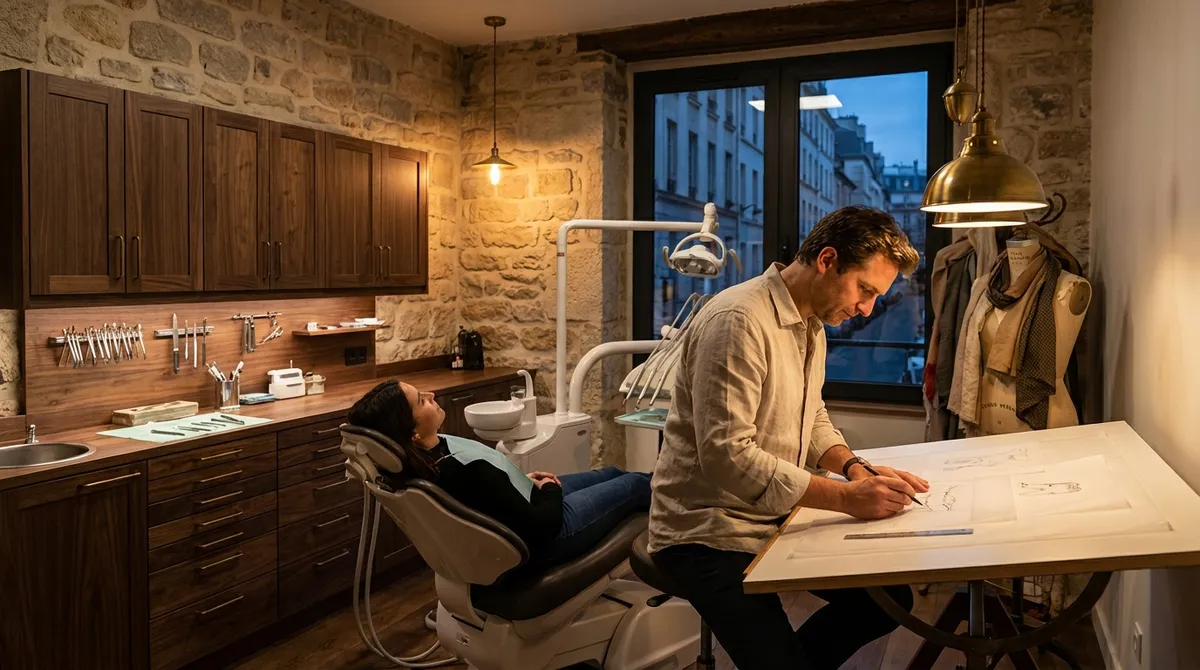
A truly bespoke smile is rarely created in a single leap from consultation to final veneers. The most refined results come from an iterative process that allows you to test-drive your new smile before any irreversible changes are made.
Three tools, in particular, distinguish a premium cosmetic experience:
Digital Smile Previews
High-quality images and scans allow your dentist to design a proposed smile digitally. You can review this on-screen, discuss adjustments, and understand how changes in tooth length, width, or proportion might affect your overall look.
Wax-Ups and Temporary Prototypes
Before final ceramics are fabricated, a skilled lab can create a wax model of your future teeth. This forms the blueprint for temporary restorations that you actually wear—often for days or weeks. During this time, you can evaluate how the new smile feels, how it photographs, and how it integrates into your daily life.
Photographic and Video Evaluation
Still photographs and short video clips of you speaking, smiling, and laughing while wearing provisional restorations are invaluable. Ultra-bright or too-long teeth that appear acceptable in a hand mirror may feel overwhelming on video or in candid shots. Minor adjustments here—fractions of a millimeter—can completely transform the sophistication of the final result.
These layers of pre-planning are not mere niceties; they are the difference between “nice veneers” and a genuinely bespoke smile. They give you agency in the creative process and ensure that when the final ceramics are placed, you are seeing a refinement—not a surprise.
Conclusion
Cosmetic dentistry, at its most elevated, is not a single procedure but a carefully curated experience: an interplay of facial analysis, material nuance, shade selection, functional stability, and meticulous pre-planning. For those seeking more than a generic “perfect smile,” the distinction lies in details that are easy to overlook and impossible to unsee once you know them—texture, translucency, shade harmony, bite design, and the luxury of a reversible trial phase.
When approached as bespoke aesthetic planning, a smile makeover becomes less about chasing perfection and more about expressing a refined, coherent version of yourself. The result is a smile that does not shout for attention, but quietly commands it—resilient, photogenic, and precisely aligned with the way you wish to be seen.
Sources
- American Academy of Cosmetic Dentistry – About Cosmetic Dentistry - Overview of modern cosmetic dentistry principles and treatment options.
- Mayo Clinic – Dental Veneers - Evidence-based explanation of veneers, indications, and considerations.
- Harvard School of Dental Medicine – Esthetic Dentistry Research - Highlights ongoing research and advancements related to esthetic and restorative dentistry.
- Cleveland Clinic – Teeth Whitening: Types, Safety & Results - Detailed information on tooth whitening methods and safety.
- National Institutes of Health (NIH) – Dental Ceramics in Modern Dentistry - Research article on ceramic materials, esthetics, and longevity in restorative dentistry.
Key Takeaway
The most important thing to remember from this article is that this information can change how you think about Cosmetic Dentistry.