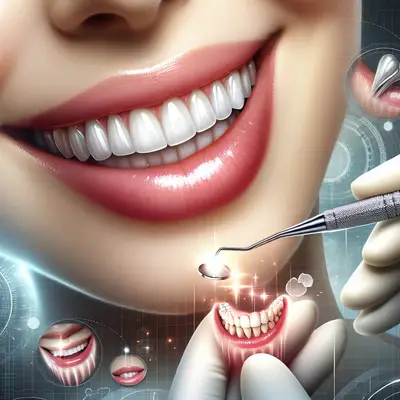
A truly elevated smile makeover is no longer about obvious perfection or one-size-fits-all veneers. Today’s most discerning patients seek something quieter: a smile that feels innately theirs, yet subtly heightened in every frame, every angle, every moment. In the world of premium cosmetic dentistry, refinement is measured not by drama, but by how effortlessly a smile disappears into your overall presence—until you need it to command attention.
Below, we explore five exclusive, under‑discussed insights that shape high-end smile transformations—details that rarely make it into standard consultations, yet define the difference between “nice result” and undeniably world-class.
The Signature Shade: Why the Brightest White Is Rarely the Best White
In luxury cosmetic dentistry, shade selection is less about “How white?” and more about “How believable?” A premium result respects the interplay between your complexion, lip tone, sclera (the whites of your eyes), and even your typical wardrobe palette.
Rather than choosing a single shade from a standard guide, advanced clinicians now blend micro-gradations of color across the smile. Incisal edges (the tips of the teeth) may carry slightly more translucency, while the neck of the tooth closer to the gumline maintains a softer, warmer hue. This layered approach mimics natural enamel and avoids the flat, opaque “piano key” effect that instantly betrays cosmetic work.
Your lifestyle and public presence also inform shade. On-camera professionals often need a slightly higher value (brightness) to read well under studio lighting, while those in intimate, face-to-face environments may opt for subtler luminosity that looks spectacular up close. The most sophisticated smile is rarely the whitest in the room—it’s the one that never looks artificial in any light.
Proportions, Not Perfection: The Subtle Power of Micro-Asymmetry
High-end smile design has evolved beyond the pursuit of perfect symmetry. In reality, natural smiles contain tiny asymmetries—barely perceptible differences in shape, length, or contour that keep teeth from appearing manufactured. Luxury cosmetic dentists deliberately preserve or recreate some of these subtleties to avoid the uncanny precision that reads as “fake.”
For instance, an experienced clinician may soften one lateral incisor more than the other to harmonize with natural lip movement or cheek fullness on your dominant smile side. Canines may retain a hint of their original character—slightly more rounded for a gentle aesthetic, or faintly pronounced for a stronger, more assertive look.
These minute calibrations are guided by facial mapping: observing how your lips lift, where your eyes crease when you smile, and how your head instinctively angles in conversation. The goal is not perfect uniformity, but visual balance that supports your expressions instead of overpowering them. The most exquisite results are felt as “you at your best,” not “you with new teeth.”
Texture, Gloss, and the Camera Test: How Teeth Read in Real Life
To the untrained eye, a beautiful smile is about color and alignment. To a seasoned cosmetic dentist, surface texture and gloss are what separate generic veneers from truly bespoke work. Natural enamel carries microscopic ridges and subtle irregularities that catch light in a soft, diffused way. Over-polished restorations, by contrast, can appear glassy and overly reflective—particularly under flash photography or studio lighting.
Premium providers intentionally introduce refined surface texture into ceramics, then evaluate the result under varied conditions: natural daylight, warm ambient lighting, and direct artificial light. Many now perform a “camera test,” photographing the provisional or final restorations from multiple angles and zoom levels. This helps ensure the smile reads convincingly both in person and on high-resolution screens.
For individuals frequently on video calls or social media, this step is invaluable. Teeth that look flawless in the mirror can appear too bright, too flat, or too reflective on camera. Customizing texture and gloss ensures that your smile does not wash out under ring lights or appear harsh under overhead LEDs. The outcome: a smile that is photogenic, yet never obviously “done.”
Gum Architecture: The Quiet Framework of a Luxury Smile
While teeth often steal the spotlight, the most elevated smile makeovers give equal attention to the gumline—the “frame” that determines how refined your final result appears. Even a beautifully crafted veneer can look slightly off if the gum contour is irregular, puffy, or mismatched side to side.
High-end cosmetic plans frequently begin with a detailed periodontal evaluation. Small refinements—such as laser gum contouring to align heights of the front teeth, or correcting a single asymmetrical gum peak—can dramatically improve harmony without anyone quite pinpointing why the smile feels so polished. In more complex cases, minor surgical procedures can be used to lengthen short teeth or reduce a “gummy” display in a controlled, elegant way.
Healthy, well-shaped gums also influence color and longevity. Inflamed or receding tissue creates shadows and uneven margins that cheapen the look of even the finest ceramics. The most discreet luxury is when restorative dentistry and periodontal health are deliberately coordinated—so the line between tooth and gum appears seamless, stable, and timeless.
The Lifestyle Blueprint: Designing a Smile That Ages With You
Truly bespoke cosmetic dentistry doesn’t end when the final restorations are bonded; it begins with a long-term blueprint. Refined practitioners design your smile with an eye on how it will age—not just over the next year, but over the next decade.
Your bite forces, sleep patterns, and daily habits all inform this blueprint. Nighttime clenching may call for reinforcement in specific veneers or the integration of a custom nightguard to protect your investment. Frequent flying, public speaking, or ultra-busy schedules might influence material selection and follow-up protocols to minimize unexpected emergencies.
Maintenance is similarly personalized. Annual polishing alone is no longer the gold standard for premium care. Instead, patients may follow a curated protocol that integrates professional cleanings, periodic shade assessments, bite checks, and digital scans to detect microscopic changes before they become visible flaws. Subtle refinements—polishing a single edge, rebalancing a contact point, or refreshing composite in a low-risk area—help the smile remain impeccably fresh without ever requiring a full “redo.”
A truly luxurious result is one that not only looks extraordinary at delivery, but remains quietly impeccable through years of real life—travel, work, late nights, and everything in between.
Conclusion
The most sophisticated cosmetic dentistry goes far beyond straight, white teeth. It speaks an entirely different language: nuance of shade, calibrated asymmetry, tailored texture, meticulous gum design, and a forward-looking maintenance strategy. For patients who view their smile as a long-term asset rather than a quick upgrade, these quiet details matter more than any before-and-after image.
When you consult with a cosmetic dentist, asking about shade layering, surface texture, gum architecture, and long-term planning can reveal whether their philosophy aligns with this elevated standard. In the end, the true marker of a luxury smile makeover is not that people notice your teeth—it’s that they notice you.
Sources
- American Academy of Cosmetic Dentistry (AACD) – About Cosmetic Dentistry - Overview of cosmetic dentistry principles, materials, and modern approaches to aesthetic treatment
- Mayo Clinic – Veneers: What They Are and What to Expect - Clinical explanation of dental veneers, indications, and considerations
- Columbia University College of Dental Medicine – Smile Design and Esthetics - Academic perspective on esthetic dentistry and comprehensive smile design
- National Institutes of Health (NIH) – Esthetic Analysis of the Smile - Research article detailing factors like symmetry, gingival display, and proportional relationships in smile aesthetics
- American Academy of Periodontology – Gum Aesthetics and Periodontal Plastic Surgery - Information on how gum contouring and periodontal procedures contribute to an attractive smile
Key Takeaway
The most important thing to remember from this article is that this information can change how you think about Cosmetic Dentistry.