A truly elevated smile makeover is never just about “fixing teeth.” It is about subtle recalibration—of light, proportion, symmetry, and even the way your face animates in motion. Today’s most sophisticated dental procedures form a seamless blend of science, artistry, and technology, designed not only to correct but to refine. For discerning patients, the transformation lies in the nuances: the translucency at the edge of an incisor, the way gums frame each tooth, the harmony between dental work and natural facial structure.
Below are five exclusive insights into how high-level dental procedures are orchestrated when the objective is not a generic “perfect smile,” but a quietly exquisite one.
1. Smile Makeovers Begin With Your Face, Not Your Teeth
In elevated cosmetic dentistry, your teeth are not the starting point—they are the supporting cast. The true blueprint is your face.
A meticulous clinician will analyze facial thirds, lip dynamics, midline alignment, and how your smile behaves when you speak, laugh, and rest. The objective is not to impose a standardized “Hollywood” template but to design teeth that appear inevitable within your unique features.
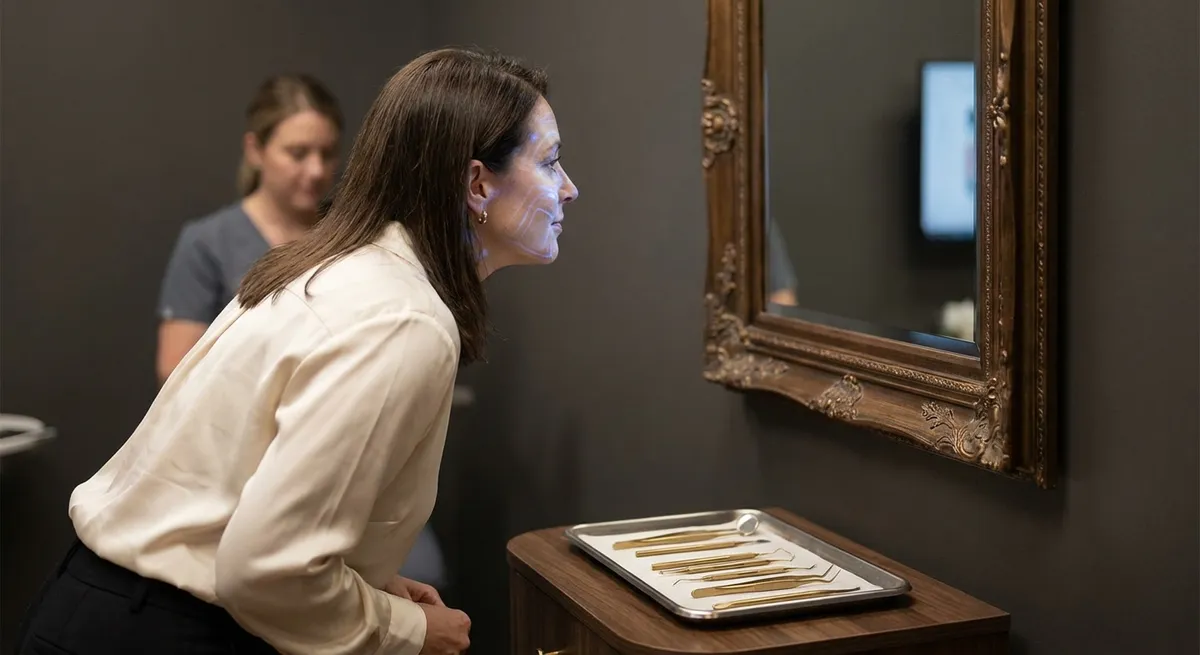
Digital smile design systems and high-resolution photography now allow the dentist to map where incisal edges should sit relative to your lower lip, how wide the smile corridor should be, and how tooth proportions will complement cheekbones and jawline. Done well, these decisions create an impression that you simply “look better,” without anyone identifying precisely why. The procedures—veneers, crowns, orthodontics, bonding—are selected to serve that facial plan, not the other way around.
2. Micro-Texture and Translucency: The Signature of a Natural-Looking Veneer
Most people focus on color when they think of veneers. In elite dentistry, color is only the entry point. The true markers of sophistication lie in micro-texture and translucency.
Natural enamel is not a flat, uniform surface. It contains microscopic ridges, subtle vertical striations, and areas of translucency near the edges where light passes through instead of bouncing straight back. Master ceramists can replicate this with painstaking layering techniques, building each veneer in multiple ultra-thin strata of porcelain rather than a single opaque block.
This layered approach allows for:
- Depth instead of a “flat white” effect
- Gentle, lifelike reflections under different lighting
- Variations in value (lightness/darkness) from gumline to edge
The result is a veneer that does not announce itself as dental work. It behaves optically like a natural tooth under daylight, candlelight, and flash photography—crucial for clients whose lives are frequently documented or in the public eye.
3. The Silent Power of Gum Contouring and Tissue Health
While teeth often get the attention, the gumline is the frame—and frames are where refinement lives. Minor adjustments in gum height, contour, and symmetry can elevate a smile from “improved” to “effortlessly polished.”
Laser or surgical gum contouring can:
- Correct a “gummy” smile without touching tooth structure
- Balance asymmetrical gumlines that make teeth appear uneven
- Reveal hidden enamel, subtly lengthening teeth for a more elegant look
However, the most discreet luxury is long-term tissue health. Inflamed or receding gums can undermine even the most beautiful veneers or crowns. Advanced practices will perform a detailed periodontal evaluation before any aesthetic work, ensuring the foundations are stable. Guided tissue procedures, minimally invasive periodontal therapies, and biocompatible materials support gums that stay calm, pink, and sculpted around each tooth—like couture tailoring for your smile’s frame.
4. Custom Shade Mapping and Material Pairing: Beyond “One White Fits All”
A refined smile makeover is never built on a single shade tab pulled from a standard chart. Instead, it begins with a custom shade map: a documented analysis of how color shifts across each tooth.
High-level practices will photograph and note:
- The subtle gradation from slightly deeper color near the gumline to a lighter, more translucent edge
- Tiny internal characterizations—faint white opacities, warmer areas, or natural “halo” effects at the incisal edge
- How your teeth respond to different lighting (natural daylight vs. indoor warm light)
From there, the dentist collaborates with a master ceramist to pair the right materials with the right locations. For example, lithium disilicate porcelain may be chosen for high-strength, high-visibility areas, while layered feldspathic porcelain might be used where unmatched delicacy and translucency are required.
This calibrated pairing of material and shade prevents the “one-note white” that often reveals cosmetic work. Instead, the final result feels harmonized, like a better-edited version of your natural dentition—brightened, refined, but still believable.
5. Subtle Bite Refinement: The Invisible Final Step That Changes Everything
The most exclusive element of a sophisticated dental makeover is often the least discussed: occlusion, or the way your teeth meet when you bite and slide across one another.
When veneers, crowns, and orthodontics are completed, a meticulous dentist will not simply confirm that “nothing feels high.” They will examine:
- How the teeth touch in static bite (centric occlusion)
- How they glide in lateral and forward movements
- Which teeth carry the load when you chew or clench
High spots and imbalanced contacts can lead to chipping, cracking, jaw tension, or headaches—issues that quietly erode the longevity and comfort of your investment. Using digital bite analysis or refined articulating techniques, the clinician makes micro-adjustments to ensure the bite distributes forces efficiently.
This subtle occlusal refinement gives you a smile that not only looks elevated, but feels serenely natural when you speak, bite into food, or wake up in the morning. It is the invisible craftsmanship that distinguishes a cosmetic procedure from a truly bespoke smile reconstruction.
Conclusion
A sophisticated smile makeover is less about dramatic revelation and more about studied restraint. The most beautiful outcomes rarely look “done”; they look inevitable—your features, but more composed.
By prioritizing facial harmony, embracing nuanced texture and translucency, perfecting the gum frame, calibrating shade and material with precision, and finishing with meticulous bite refinement, today’s best dental procedures offer more than cosmetic enhancement. They deliver a quiet, enduring upgrade to how you present yourself in every room, every photograph, and every conversation.
Sources
- American Academy of Cosmetic Dentistry – What Is Cosmetic Dentistry? – Overview of cosmetic dental procedures and principles used by accredited cosmetic dentists.
- Harvard School of Dental Medicine – Esthetic Dentistry Case Discussions – Contains educational material and case-based discussions on aesthetic and restorative dentistry (navigate via “Continuing Education” and esthetics-related content).
- Mayo Clinic – Veneers – Evidence-based explanation of porcelain veneers, indications, and considerations.
- Cleveland Clinic – Gum Contouring – Clinical overview of gum reshaping procedures and their role in smile aesthetics.
- National Library of Medicine (NIH) – Digital Smile Design in Interdisciplinary Dentistry – Research article discussing the use of facially driven digital planning in modern aesthetic dentistry.
Key Takeaway
The most important thing to remember from this article is that this information can change how you think about Dental Procedures.