Cosmetic dentistry has quietly evolved from a series of isolated procedures into something far more considered: an exercise in modern personal branding. Your smile is now one of the most visible signatures of how you present yourself to the world—one that must harmonize with your features, your lifestyle, and even your professional ambitions.
For those seeking a high-caliber dental makeover, the conversation has shifted from “Can you make my teeth whiter?” to “How do we design a smile that feels unmistakably like me?” Below are five exclusive insights that discerning patients often only discover once they are already deep into the process—knowledge that can help you navigate your own transformation with intention and confidence.
The Consultation Is Not a Chat — It’s a Strategic Design Session
An elevated cosmetic dentistry journey begins long before anyone picks up a drill or takes an impression. The initial consultation, at its best, functions more like a brand strategy session than a routine dental appointment.
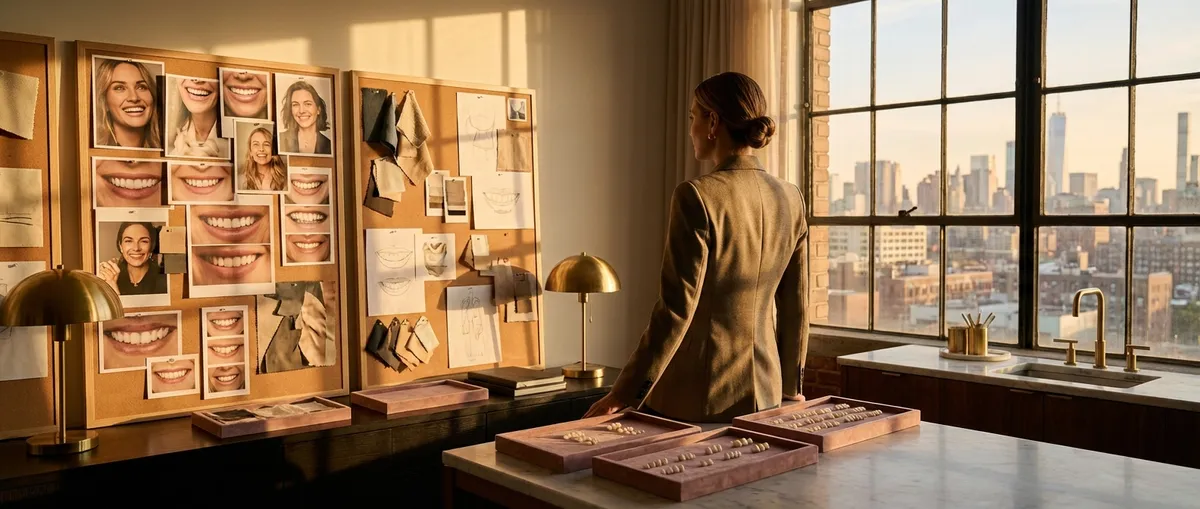
A meticulous clinician will study how you speak, smile, and rest your face when you are not “on camera.” They will note asymmetries, gum display, lip dynamics, and how your teeth interact when you laugh or turn your head. High-level practices often incorporate digital photography, video, and 3D scans to document you from multiple angles, then overlay potential changes in real time.
You should expect your dentist to ask about your profession, social presence, and how you want to be perceived—approachable, powerful, youthful, timeless. These questions are not superficial; they guide micro-decisions about tooth length, translucency, brightness, and contour. In premium cosmetic work, each tooth is not just restored—it is cast in a role within a broader aesthetic narrative.
When evaluating a provider, look for one who talks as fluently about proportions, facial harmony, and long-term tissue health as they do about veneers or whitening. The quality of your result often depends less on the procedures chosen and more on the intelligence and subtlety of the design thinking behind them.
Porcelain Is a Medium, Not a Product
To the untrained eye, “porcelain veneers” can sound like a single, standardized solution. In reality, porcelain is closer to a medium in the hands of a ceramic artist—capable of dramatically different expressions depending on the technician’s skill, the material chosen, and the instructions provided.
Premium veneers are layered, not painted. A master ceramist will combine varying degrees of translucency, micro-texture, and color gradients to emulate the way natural enamel catches and refracts light. The central incisors may have slightly more translucency near the edge, the laterals a touch more softness, and the canines a fraction more chroma (color intensity) for depth and realism.
What most patients don’t realize is that the lab partnership is as critical as the dentist’s chairside skill. Elite cosmetic dentists often work with a preferred ceramist in a boutique dental laboratory, sometimes even inviting the patient for a shade and aesthetic consultation directly with the technician. This triangulation—patient, dentist, ceramist—can transform a “good” result into a truly bespoke one.
If your makeover involves porcelain, ask specific questions: Who is fabricating my restorations? Are they hand-layered or monolithic? Can I see examples of that lab’s previous work? In the world of refined cosmetic dentistry, the artistry behind the scenes is what gives your smile its quiet authority.
Symmetry Is Overrated: The Power of Intentional Imperfection
Many people pursue cosmetic dentistry imagining a perfectly symmetrical, flawlessly uniform set of teeth. Paradoxically, this can be the fastest route to a smile that looks artificial. The human eye is remarkably adept at spotting patterns that feel “too perfect” to be real.
In high-level smile design, the goal is not sterile perfection but curated naturalism. Slight variations in length, minimal rotation, and subtle texture can make a restored smile look authentically yours rather than copied from a template. The key is that these “imperfections” are strategically intentional, not accidental.
A seasoned cosmetic dentist may suggest preserving a characteristic feature—like a mild midline shift that aligns with your facial balance, or the faintest softness at the incisal edge of one tooth—to maintain your individuality. The result is a smile that appears naturally beautiful to others yet feels impeccably polished in close-up photography and under unforgiving lighting.
When discussing expectations, communicate how you feel about your existing teeth: what you love, what feels like part of your identity, and what you’re comfortable refining. The most sophisticated outcomes rarely erase your character; they edit it.
Longevity Lives in the Details You Can’t See
Luxury in cosmetic dentistry is not merely the visible outcome—it is the durability and comfort that endure long after the final polish. The hidden architecture under your restorations often determines whether your smile will still look (and feel) exceptional five, ten, or fifteen years from now.
Key, often-neglected factors include how your upper and lower teeth meet, whether micro-adjustments have been made to prevent chipping or overloading, and how the edges of your veneers or crowns blend with your natural tooth and gum tissue. Equally important is how the treatment respects biology: gum health, bone support, and the inherent strength of your remaining natural tooth structure.
Refined practices invest heavily in diagnostic workups: full-mouth radiographs, 3D cone beam imaging when appropriate, mounted study models, and sometimes trial therapy with splints or provisional restorations. This preparatory phase can feel meticulous, even slow—but it protects your investment. It is here that potential cracks, bruxism (grinding), or joint issues are identified and addressed before they jeopardize your beautiful new work.
When exploring treatment, be wary of timelines that feel implausibly fast for complex cases. True longevity is engineered, not promised. The most valuable parts of your makeover may be the structural decisions you never see.
A Refined Smile Must Fit Your Life, Not Just Your Face
The most successful dental makeovers do not simply look good; they function gracefully within your real life. Your profession, travel patterns, diet, athletic habits, and even your skincare or aesthetic routines can inform smarter, more sustainable treatment choices.
For instance, someone frequently on stage or in front of high-definition cameras may benefit from a slightly different shade selection than someone whose work is predominantly virtual. A patient with a history of clenching might require a custom night guard and specific restorative materials that better dissipate force. Those who favor highly pigmented foods and drinks may be guided toward solutions that preserve brightness with minimal maintenance.
A sophisticated clinician will also discuss maintenance with the same seriousness as the makeover itself: professional cleanings tailored to your restorations, recommended products that won’t damage porcelain or composite, and realistic timelines for when certain elements may eventually need refreshing or replacement.
In other words, your smile is not a static object—it is a living part of your everyday choreography. When treatment planning is done well, your new smile doesn’t demand that you constantly adapt to it; it adjusts elegantly to you.
Conclusion
A cosmetic dental makeover, at its highest level, is not simply about “fixing” teeth. It is a carefully orchestrated collaboration between science, aesthetics, and self-expression. From the design-led consultation and the craftsmanship of porcelain, to the deliberate embrace of natural nuance, structural longevity, and life-aligned planning, each choice contributes to a result that feels both elevated and authentic.
For those considering this journey, the most powerful step is not choosing a specific procedure—but choosing a clinician who approaches your smile as a uniquely personal signature. In the right hands, cosmetic dentistry becomes less about transformation for its own sake and more about refinement: revealing a version of your smile that feels inevitable, as though it was always meant to be there.
Sources
- American Academy of Cosmetic Dentistry (AACD) – Cosmetic Dentistry Overview – Explains modern cosmetic procedures, materials, and the importance of accredited cosmetic dentists.
- Mayo Clinic – Dental Veneers – Covers indications, risks, and benefits of veneers, including long-term considerations.
- Cleveland Clinic – Dental Crowns and Veneers – Provides clinical context on restorative materials, durability, and function.
- Harvard School of Dental Medicine – Esthetic Dentistry Course Description – Highlights the advanced training and principles behind high-level esthetic dental work.
- National Institutes of Health (NIH) – Esthetic Smile Perception Study – Research on how symmetry, tooth display, and proportions influence perceived attractiveness and naturalness.
Key Takeaway
The most important thing to remember from this article is that this information can change how you think about Cosmetic Dentistry.