In the realm of premium aesthetics, a smile is no longer a generic “before and after.” It is a curated signature—subtle, intentional, and deeply personal. True smile design is less about achieving a standardized ideal and more about composing a visual symphony that feels undeniably, effortlessly like you. The most sophisticated results are the ones that don’t announce themselves, yet quietly elevate everything from a bare face to black-tie dressing.
For those considering a high-end dental makeover, understanding the nuances behind modern smile design is essential. The process isn’t just clinical; it’s creative direction, technical precision, and long-term strategy woven together. Below are five insider insights that the most discerning patients and top cosmetic dentists treat as non‑negotiable.
1. Your Smile Has a “Brand DNA”—And It Should Be Designed That Way
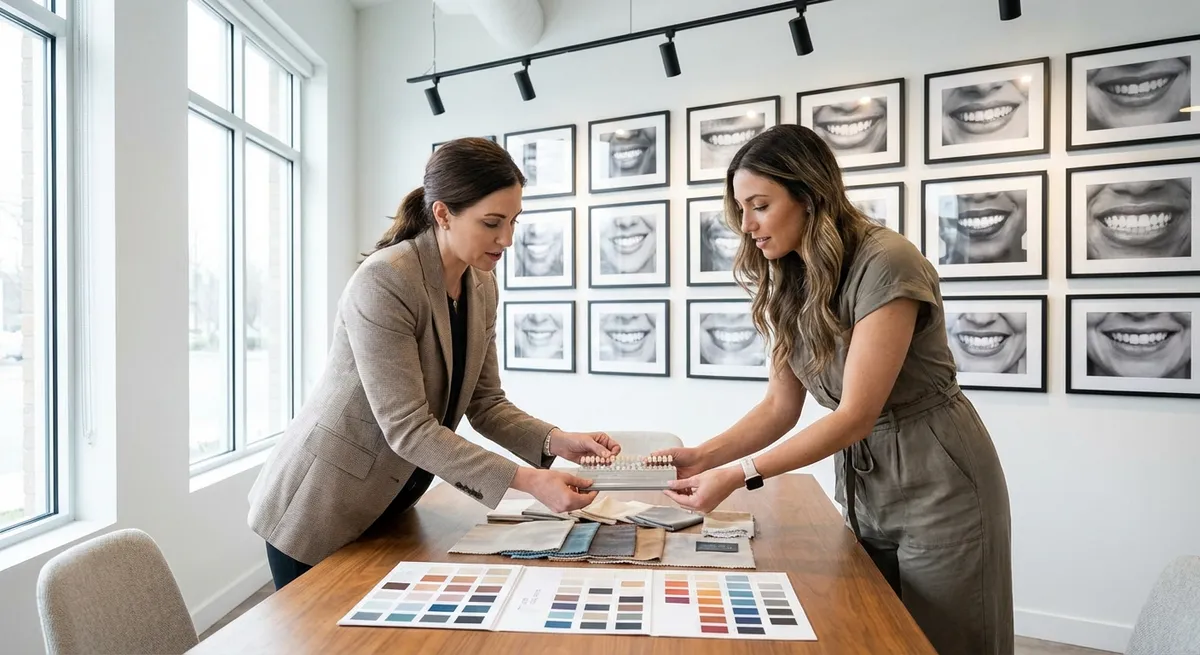
Before a single tooth is reshaped, premium smile design begins with identity. The question isn’t “Do you want them whiter?” but “Who are you when you walk into a room?” A meticulous clinician will study your facial architecture, posture, speech patterns, and even wardrobe and grooming preferences to decode your natural aesthetic language. Are you polished and minimal, or expressive and theatrical? Understated elegance calls for softer line angles, slightly rounded corners, and restrained brightness. A more extroverted persona might suit bolder proportions, sharper embrasures, and a higher-contrast smile.
This “brand DNA” approach is what prevents a high-end makeover from looking generic or “done.” Instead of copying a celebrity grin, the dentist collaborates with you to define keywords—confident, inviting, enigmatic, youthful, authoritative—that guide every design choice. Your smile becomes a visual extension of your personal brand, aligned with how you live, dress, and present yourself. The result is not merely attractive teeth, but a coherent aesthetic identity that photographs beautifully and feels authentically yours in every setting—from boardroom to brunch.
2. Proportion and Light Are More Important Than Shade Alone
Most people fixate on color: “I want them whiter.” In luxury smile design, shade is just the final layer. The real magic lies in proportion and the way each surface handles light. A sophisticated clinician will analyze the golden proportion of your front teeth, the width-to-length ratios, and the harmony between your central incisors and your facial midline. A tooth that is technically “perfect” in isolation can look oddly artificial if its dimensions don’t match your facial features, lip movements, or even your nose and chin balance.
Equally critical is how the surface texture and translucency interact with light. Premium ceramics can be layered to mimic the depth, micro-textures, and subtle opalescence of natural enamel. Slight variations near the edges, soft halo effects, and carefully placed translucency prevent the flat, opaque “piano-key” look that instantly reads as fake in photos and real life. When proportion and light are correctly orchestrated, the smile appears luminous yet believable—even if you’ve undergone a complete transformation. In short, the best compliments you’ll receive won’t be “Nice veneers,” but “You look incredible—did you change your hair?”
3. The Lips Are the Frame—Ignore Them and the Artwork Fails
Teeth never exist in isolation; they live within the dynamic frame of your lips. High-level smile design therefore begins and ends with a detailed analysis of your lip posture at rest, in speech, and in full laughter. A refined case does not simply “fill the space” with bright teeth. It considers how much tooth shows when your lips are relaxed, how your upper lip lifts when you smile, and whether your lower lip naturally traces the curve of your upper teeth—the so-called “smile arc.”
This is where subtle choices create a truly luxurious outcome. A slightly more curved incisal edge design can echo a feminine, romantic lip line. A straighter edge can convey a more tailored, androgynous, or executive presence. The vertical position of the front teeth can be adjusted so that at rest, just a whisper of enamel peeks through, conveying youth and vitality without overt flash. Even the way your lips close over the teeth at the end of a sentence informs how long or short your veneers should be. When the teeth, gums, and lips are harmonized, your smile stops looking like dental work and starts reading as a naturally elevated part of your face.
4. Digital Smile Design Is a Tool, Not the Vision
Digital smile design (DSD), 3D scanners, and high-resolution photography have revolutionized what’s possible in cosmetic dentistry. They allow for exquisite planning, virtual mockups, and test-drive temporaries that let you “wear” your future smile before committing. Yet the most exclusive results don’t rely on software alone; they depend on the eyes and hands directing it. Technology provides precision, but taste provides direction.
A sophisticated dentist will use digital tools to gather data—facial scans, bite records, phonetic analysis—and then interpret that information through an artistic lens. They’ll refine the digital mockup by hand, adjusting line angles by tenths of a millimeter, softening symmetry just enough to feel human, not robotic. You might be invited to a design session where you see alternate versions: a slightly softer central incisor, a more pronounced canine, a touch more length. These micro-decisions are the difference between “nice” and “undeniably right for you.” Think of the software as the atelier’s drafting table; the final couture comes from the clinician’s sensibility, not the algorithm.
5. Longevity Is a Design Choice—Not Just a Material Promise
A truly premium smile makeover is not only photogenic on day one; it is engineered to age gracefully with you. This goes beyond using high-quality ceramic. The design itself must anticipate how your bite will function, how you use your teeth in daily life, and how your face will subtly change over the next decade. Overly lengthened teeth, excessively flat edges, or aggressive reshaping may look impressive initially but can be prone to chipping, uneven wear, or disharmony as your soft tissues naturally shift.
An elite clinician will evaluate your occlusion (how your teeth meet), muscle patterns, and any parafunctional habits like clenching or grinding. They may recommend bite adjustments, protective night guards, or staged treatment to build a stable foundation before finalizing your new smile. Even the contour at the gumline is sculpted to facilitate easy cleaning and long-term periodontal health, because inflamed or receding gums will undermine the most beautiful porcelain. In essence, longevity is baked into the design: each tooth shape, contact point, and angle is chosen not only for immediate beauty but for resilience and comfort ten years from now. The true luxury is waking up every day knowing your smile feels as effortless as it looks.
Conclusion
A refined smile makeover is not a commodity; it is a bespoke collaboration between patient, clinician, and master technician. When done at the highest level, smile design is less about copying trends and more about composing a personal aesthetic that aligns with your features, your lifestyle, and your long-term well-being. It respects nuance: the way light touches enamel, how lips frame movement, how identity translates into proportion and detail.
For those considering a premium transformation, seeking a dentist who approaches your smile as an individualized work of art—not just a set of teeth to be “fixed”—is essential. The right partnership will deliver more than a whiter smile; it will give you a signature expression that feels inevitable, as if it always belonged to you, simply refined to its most elegant form.
Key Takeaway
The most important thing to remember from this article is that this information can change how you think about Smile Design.