For those pursuing a truly exceptional smile makeover, the question is no longer simply what procedures you choose—but how those procedures are conceived, executed, and refined. Today’s most discerning patients are looking for results that feel tailored, understated, and impeccably finished, rather than obvious or overdone. This is where dentistry evolves from a clinical service into a curated, bespoke experience—one in which every adjustment, material, and millimeter of detail is considered with intent.
Below, we explore how modern dental procedures are being elevated for patients who expect more than a standard outcome. Woven throughout are five exclusive insights that can quietly transform your results from “fixed” to flawlessly orchestrated.
The New Standard: From One-Size-Fits-All to Bespoke Dentistry
In the realm of premium care, a smile makeover is no longer approached as a uniform formula of veneers, whitening, and aligners. Instead, the most sophisticated practices build a treatment narrative around your facial architecture, lifestyle, and long‑term goals.
A comprehensive diagnostic phase now typically includes high-resolution photography, 3D scans, digital bite analysis, and sometimes full‑face video to capture how your smile moves when you speak and laugh. This level of detail allows your dentist to see beyond isolated teeth and design within the context of your entire face: lip posture, midline symmetry, gingival display, and even how light reflects on enamel.
A bespoke approach also considers how aggressively—or conservatively—your natural teeth are treated. Premium care leans strongly toward minimally invasive protocols: preserving much of your original tooth structure through ultra-thin veneers, enamel micro-contouring, or targeted orthodontics before resorting to more invasive restorations.
Exclusive Insight #1: Your “ideal smile” should be designed around your face in motion, not just static photos.
The most refined outcomes arise when procedures are planned based on how your teeth look while you talk, laugh, and interact—not only how they appear in a posed smile. If your consultation doesn’t involve some form of dynamic assessment (video, full‑face documentation, or digital simulations of movement), you may be missing a vital layer of personalization.
Precision Planning: Technology as Your Silent Co‑Designer
Today’s advanced dental procedures begin long before a bur touches enamel. Digital smile design has moved from a novelty to an essential planning tool in elite practices, allowing you and your clinician to visualize potential outcomes with sophisticated accuracy.
3D intraoral scanners replace traditional impression materials, capturing the nuances of your bite in remarkable detail. These scans can be integrated with facial scans or high‑resolution photos to create a virtual mock‑up of your future smile. From there, veneers, crowns, or implant restorations can be shaped digitally to harmonize with your overall facial proportions.
This digital workflow doesn’t only improve aesthetics—it enhances precision in function. Occlusal (bite) mapping helps ensure that new restorations don’t create micro‑stresses that could lead to fractures, headaches, or TMJ discomfort. In the best clinics, every new restoration is engineered as much for biomechanical stability as for beauty.
Exclusive Insight #2: The most reliable results come from a “test-drive” of your new smile before any permanent changes.
Ask about provisional or “trial” restorations based on your digital design. High-end practices often fabricate temporary veneers or crowns that mirror your final plan, allowing you to wear and experience them—evaluating speech, comfort, and appearance in real life—before final ceramics are crafted. This extra step significantly reduces the likelihood of regret or endless adjustments later.
Material Matters: Choosing the Right Canvas for a Luxury Finish
Not all veneers, crowns, or implants are created equal. In premium cosmetic and restorative dentistry, the conversation around materials is as nuanced as choosing a fine fabric for bespoke tailoring.
Modern ceramics, such as lithium disilicate (often known by brand names like IPS e.max) and high‑translucency zirconia, can be layered and tinted to mimic the subtle character of natural enamel—translucent edges, microscopic texture, and the soft, non-plastic sheen of a real tooth. These materials also offer impressive strength when properly designed, which is crucial around the back teeth and in patients who clench or grind.
Behind the scenes, world-class ceramists function much like artisans in haute couture ateliers. They study your photos, your skin tone, your lip color, and even the whites of your eyes, then interpret those details into custom blends of shade and translucency. The technical work in the lab can be every bit as sophisticated as what happens in the chair.
Exclusive Insight #3: Luxury results depend as much on the ceramist as on the dentist.
When you evaluate a practice, ask where their restorations are made and whether they work regularly with a dedicated, high‑end dental laboratory. Request to see examples of the lab’s work—photographs, case studies, and “before and after” images that reflect the style you prefer (subtle, natural, brighter, etc.). A highly skilled ceramist is often the hidden differentiator between average and extraordinary outcomes.
Comfort, Sedation, and the Art of a Seamless Visit
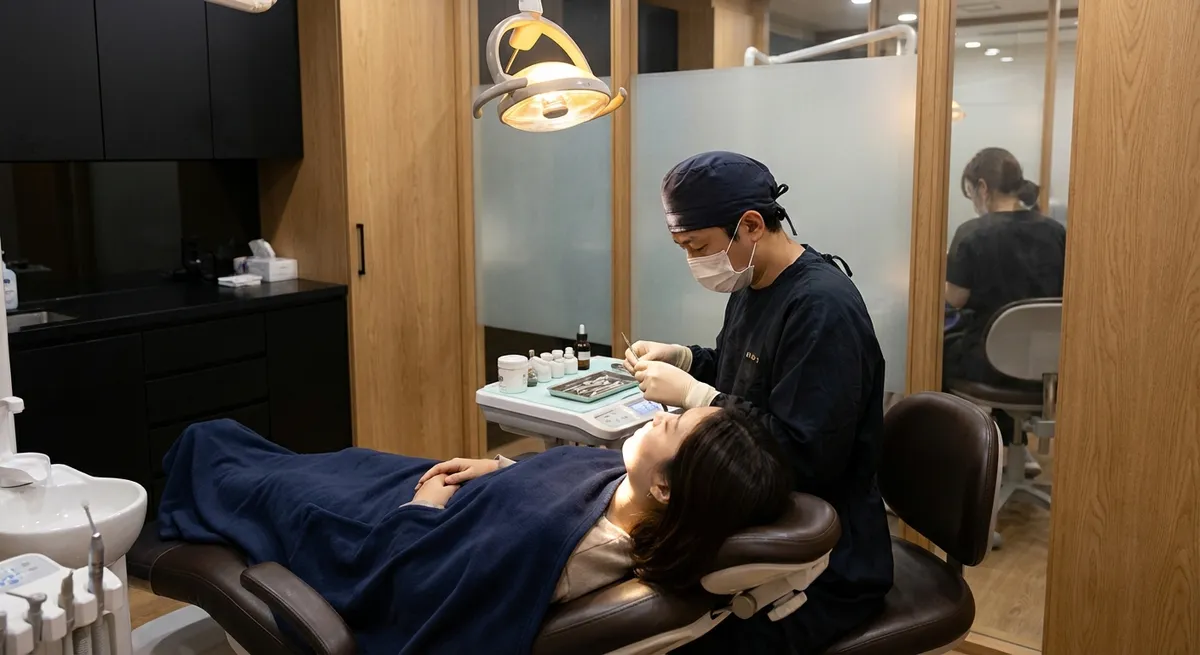
Sophisticated dental care recognizes that the overall experience is just as important as the final photograph. Comfort is engineered from the moment you enter: carefully controlled lighting, sound, and scent; heated chairs; noise‑cancelling headphones; and slow, methodical explanations of each step.
For more complex procedures—full-arch rehabilitation, implant placement, or extensive veneer work—sedation dentistry can transform a potentially overwhelming visit into a calm, efficient session. Options range from mild oral sedation to deeper IV sedation under the care of an anesthesiologist or specially trained provider. The goal is not just to suppress anxiety, but to allow lengthy, technically demanding work to be completed with fewer interruptions, enabling more precise results.
Post-operative comfort also receives elevated attention. Refined protocols often include long-lasting local anesthesia, tailored pain management strategies, and detailed home-care plans with specific tools and products to support healing and protect restorations.
Exclusive Insight #4: The way your appointment is structured can influence the quality of your result.
High-caliber clinicians often schedule longer, uninterrupted blocks of time for major procedures. This allows them to work with full concentration, verify every margin and contact, and make nuanced aesthetic decisions without rushing. When evaluating a provider, notice whether they allow generous chair time for critical phases of your makeover—or compress major work into rushed, back‑to‑back slots.
Longevity as a Design Principle: Protecting Your Investment
An elegant smile makeover is not a one-time event; it’s a long-term collaboration. The finest dental procedures are planned with durability, maintenance, and future adaptability in mind from day one.
Bite evaluation is central here. Micro‑adjustments in occlusion can prevent small but constant forces from chipping veneers or loosening implants over time. Premium practices often schedule a follow-up bite refinement after your restorations have “settled” to ensure that contact points are balanced and comfortable.
Night guards, custom retainers, and tailored hygiene protocols are not afterthoughts; they are part of the design. For example, patients who grind may be guided toward stronger materials, protective appliances, and specific stress-mitigation strategies. Those with a history of gum issues might receive more frequent periodontal maintenance to protect the margins of veneers or crowns.
Exclusive Insight #5: Your maintenance plan should be as customized as your makeover.
Ask your provider for a written long-term plan that outlines: optimal cleaning intervals, recommended home-care products, how often to replace retainers or night guards, and what early signs of trouble to watch for (tiny chips, sensitivity, hairline fractures, gum changes). Tailored maintenance not only extends the life of your restorations—it preserves the refined, “just completed” look for years instead of months.
Conclusion
Exquisite dental procedures are defined less by any single treatment and more by the philosophy that binds them together. When your smile makeover is approached as a bespoke, meticulously planned experience—supported by advanced diagnostics, artisan-quality materials, unhurried chair time, and a long-term maintenance vision—the result feels subtly transformative rather than conspicuously “done.”
For those who expect a premium standard, the difference lies in the quiet details: teeth designed around a face in motion, ceramics crafted like fine jewelry, appointments choreographed for precision, and a maintenance plan that treats your smile as a long‑term asset. In this elevated context, the dental chair becomes not just a place of repair, but a studio for refined, enduring transformation.
Sources
- American Dental Association – Veneers – Overview of what veneers are, how they’re used, and considerations for patients.
- Mayo Clinic – Dental Implants – Explains indications, procedure steps, and risks for implant surgery.
- Harvard School of Dental Medicine – Digital Dentistry Overview – Discusses how digital tools like 3D scanning and CAD/CAM are transforming dental treatment planning.
- Cleveland Clinic – Sedation Dentistry – Details levels of sedation, safety considerations, and who may benefit from sedated procedures.
- National Institute of Dental and Craniofacial Research (NIDCR) – Provides research-based information on tooth wear and factors affecting long-term restoration durability.
Key Takeaway
The most important thing to remember from this article is that this information can change how you think about Dental Procedures.