Every memorable smile makeover begins long before the first tooth is polished. Behind today’s most exquisite results lies a quiet revolution in how dental procedures are planned, executed, and refined. For patients who expect more than a routine appointment—for those who value precision, comfort, and discretion—understanding these innovations is the key to choosing care that truly matches their standards.
Below, we explore how modern dental procedures have evolved, and share five exclusive insights that discerning patients rarely hear explained with this level of clarity.
The New Era of Dental Procedures: Precision Over Hype
Contemporary dentistry has moved decisively away from one-size-fits-all treatments. Instead, the focus is on highly individualized procedures guided by data, imaging, and minimally invasive techniques. The goal is no longer simply “fixing teeth,” but enhancing the entire smile in a way that feels authentic to your face, lifestyle, and long-term health.
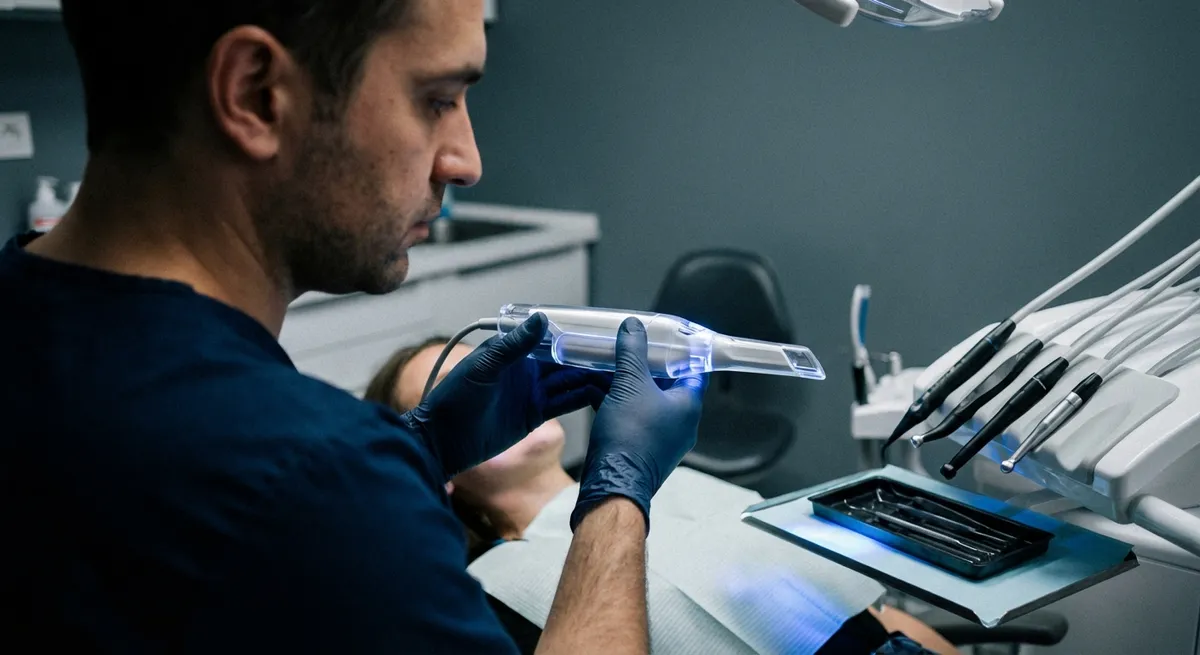
Advanced digital technologies—such as 3D imaging, intraoral scanners, and CAD/CAM restorations—allow dentists to work with micron-level precision. This precision doesn’t just benefit complex procedures like implants or full-mouth rehabilitations; it elevates everyday treatments such as crowns, onlays, and even fillings. Margins fit more closely, adjustments are fewer, and treatment time is often reduced.
For patients seeking a refined smile makeover, this means less trial-and-error, fewer surprises, and results that age more gracefully. The artistry is still there—but now it is underpinned by sophisticated engineering.
Exclusive Insight #1: The True Luxury Is Gentle, Tissue‑Respectful Dentistry
Many patients focus on the final aesthetic—shade, shape, symmetry—yet the true foundation of a luxurious dental experience is how gently the underlying tissues are treated. Modern, high-end practices prioritize procedures that preserve enamel, protect the pulp, and respect gum architecture.
Techniques such as:
- Minimally invasive preparations for veneers and crowns, where possible, maintain maximum natural tooth structure.
- Microscopic or loupes-assisted dentistry helps clinicians identify decay and cracks early, before aggressive interventions are needed.
- Refined soft-tissue management, including microsurgical instruments and laser contouring, allows for subtle reshaping of the gum line with reduced swelling and quicker healing.
When procedures are designed around tissue preservation, the benefits are significant: restorations last longer, post-treatment sensitivity is reduced, and the smile retains a natural “unoperated” look. For discerning patients, gentle dentistry is not just about comfort—it is about protecting the investment in their oral health over decades.
Exclusive Insight #2: Digital Planning Has Quietly Replaced Guesswork
Behind many of the most seamless smile transformations is a digital planning process the patient rarely sees in detail. Instead of relying purely on traditional impressions and verbal descriptions, advanced practices now build digital “blueprints” of your mouth and face.
This may include:
- 3D CBCT scans to map bone, roots, and nerve positions with exceptional accuracy—vital for implants and complex reconstructions.
- Intraoral scans instead of conventional impressions, providing detailed digital models without the discomfort of trays and impression material.
- Digital smile simulations that combine facial photos, tooth proportions, and bite relationships to preview potential outcomes.
This planning process allows the dentist and ceramist to collaborate with clarity. It also gives patients more control; they can see and discuss proposed changes before any irreversible work is done. For a sophisticated smile makeover, digital planning transforms dentistry from reactive repair into carefully choreographed design.
Exclusive Insight #3: Temporary Restorations Are Your Silent “Dress Rehearsal”
Well-crafted temporaries are one of the most underrated luxuries in cosmetic and restorative dentistry. They are not just placeholders; they are your real-life trial of shape, length, and functional comfort before final porcelain or ceramic is fabricated.
In an elevated practice, temporaries will be:
- Sculpted to reflect the intended final design, not just generic forms.
- Worn for a period long enough to evaluate speech, chewing comfort, and lip support.
- Fine-tuned in multiple micro-adjustments based on your feedback—how your smile looks in different lighting, how it photographs, how it feels when you speak or laugh.
Your temporaries become a dialogue between you, your dentist, and the dental lab. Subtle refinements made at this stage translate into a final result that feels “right” from every angle. Skipping or rushing this phase is where many disappointments arise—particularly for patients seeking a truly bespoke smile makeover.
Exclusive Insight #4: Occlusion (Your Bite) Is the Quiet Guardian of Longevity
Patients often focus on color and shape, while one of the most critical factors—occlusion—works quietly in the background. Occlusion refers to how your upper and lower teeth meet and glide against each other when you bite, speak, and move your jaw.
If occlusion is neglected:
- Veneers can chip or debond prematurely.
- Crowns and implants may fracture or fail over time.
- Jaw muscles can become strained, leading to tension, headaches, or TMJ symptoms.
High-level clinicians treat occlusion as non-negotiable. They analyze how your jaw functions, how forces are distributed, and how any new restorations will change those dynamics. They may use articulators, digital bite analysis, or occlusal splints to test and refine.
For patients investing in a comprehensive smile makeover, this is the difference between something that merely looks impressive at first glance and something that endures elegantly under the stress of daily life.
Exclusive Insight #5: Collaboration With Master Ceramists Elevates the Final Result
A truly distinctive smile makeover is rarely the work of one person. Behind exceptional veneers, crowns, and implant restorations is often a master ceramist—an artisan who understands both the science of materials and the subtleties of natural enamel.
In premium practices, the process may include:
- Custom shade matching under different lighting conditions, sometimes with the ceramist present chairside or via detailed photo protocols.
- Layered ceramics that mimic the translucency, internal character, and light play of natural teeth, rather than relying on flat, opaque materials.
- Personalized surface texture, micro-characterizations, and edge translucency for a result that does not look “cosmetic” but convincingly authentic.
Patients seldom see the full extent of this behind-the-scenes craftsmanship, yet it defines whether a smile feels quietly natural or conspicuously artificial. When evaluating a provider, ask about their lab partnerships and whether your case will be handled by a dedicated, high-end ceramist rather than a high-volume, generic lab.
Elevating Your Own Experience: What to Look For
Translating these insights into your own dental journey begins with knowing what to ask. When you consult with a dentist about a makeover or complex procedure, consider inquiring about:
- Their approach to minimally invasive preparations and tissue preservation.
- The digital tools they use for planning, imaging, and simulations.
- How they handle the temporary phase, and how much input you’ll have during it.
- Their philosophy on occlusion and how they ensure restorations are functionally sound.
- Which dental laboratory or ceramist they partner with, and what distinguishes that collaboration.
The most refined practices welcome these questions. They understand that an informed patient is not demanding—they are simply aligned with the same priority: achieving results that are technically excellent, aesthetically understated, and durable over time.
Conclusion
The modern smile makeover is no longer just about whitening and straightening; it is a meticulously orchestrated blend of technology, biology, and artistry. For those who expect an elevated experience, the true luxury lies in what you do not see: restrained tooth preparation, intelligent digital planning, thoughtfully crafted temporaries, carefully balanced occlusion, and the quiet artistry of master ceramists.
When these elements come together, dental procedures cease to feel clinical. Instead, they become a refined process of revealing the best version of your smile—one that harmonizes with your face, your personality, and your life.
Sources
- American Dental Association – MouthHealthy: Dental Procedures – Overview of common procedures and what patients can expect
- Mayo Clinic – Dental Implants – Detailed explanation of implant surgery, planning, and risks
- Cleveland Clinic – Cosmetic Dentistry – Insight into various cosmetic procedures and their applications
- National Institutes of Health (NIH) – Digital Dentistry Review – Research-based discussion of digital technologies in modern dental practice
- Harvard School of Dental Medicine – Occlusion and TMD Overview – Educational resource on occlusion, jaw function, and related disorders
Key Takeaway
The most important thing to remember from this article is that this information can change how you think about Dental Procedures.