There is a moment, just before you smile, when confidence either hesitates or steps forward. Contemporary dental procedures are no longer about simply “fixing teeth”; they are about orchestrating a refined, harmonious aesthetic that feels utterly natural—and distinctly yours. For those considering a smile makeover, the most elegant results come from a blend of clinical excellence, thoughtful planning, and nuanced artistry that most people never see, but always sense.
The Foundation: Planning Your Smile Like a Design Project
Exceptional dental procedures begin long before the handpiece ever touches enamel. A sophisticated smile makeover is orchestrated like a design project, with a clear brief, detailed planning, and precise execution.
A comprehensive consultation should feel less like a quick exam and more like a bespoke assessment. High-end practices may use digital scans, photographs, video, and even facial analysis to understand how your teeth interact with your features in motion—not just at rest. Rather than focusing only on “crooked” or “discolored” teeth, a refined plan considers lip line, gum contours, facial symmetry, bite alignment, and even how light reflects off different tooth surfaces.
This planning phase also anticipates how your smile will age. Quality dental work is designed to remain stable and elegant over time, not just for the first year of photos. The right practitioner will help you understand which procedures are truly necessary, which are optional enhancements, and which might be unwise for your long-term oral health, even if they look appealing in the short term.
Material Matters: Why Not All “White Teeth” Are Equal
In elevated cosmetic dentistry, the conversation is not “veneers or no veneers,” but which materials, for which teeth, in which context. To the discerning eye, the choice of porcelain versus composite, and the specific type of ceramic used, fundamentally shapes the final result.
Premium porcelain systems can mimic the translucency, texture, and micro-reflections of natural enamel with remarkable fidelity. High-quality ceramics allow subtle layering of shades, creating depth rather than the flat, opaque “bathroom tile” look of lower-tier work. The more light-handled and lifelike the material, the more convincingly it disappears into your overall appearance.
Durability also differs. Well-crafted porcelain restorations, when properly maintained and supported by a healthy bite, can last a decade or more. Composite bonding, while often less invasive and more economical, is more prone to staining and wear. A thoughtful dentist will not simply recommend “the best”; they will match materials to your habits, bite forces, aesthetic expectations, and maintenance preferences.
Exclusive Insight #1: When evaluating treatment plans, ask which exact ceramic systems or composite materials will be used and why they’re chosen for you. The answer will reveal how tailored—and how sophisticated—the approach truly is.
The Subtleties of Shape: Micro-Design That Changes Everything
Length, width, and color are only the starting points of exquisite smile design. The most luxurious dental procedures rely on a subtle vocabulary of micro-features: incisal translucency, surface texture, line angles, and the interplay between rounded vs. angular forms.
Softly rounded corners and delicate surface texture can create a more youthful, approachable feel, while slightly sharper line angles and smoother surfaces can read as more assertive and polished. Even the degree of translucency at the edges of your front teeth affects whether your smile appears fresh and natural or too dense and artificial.
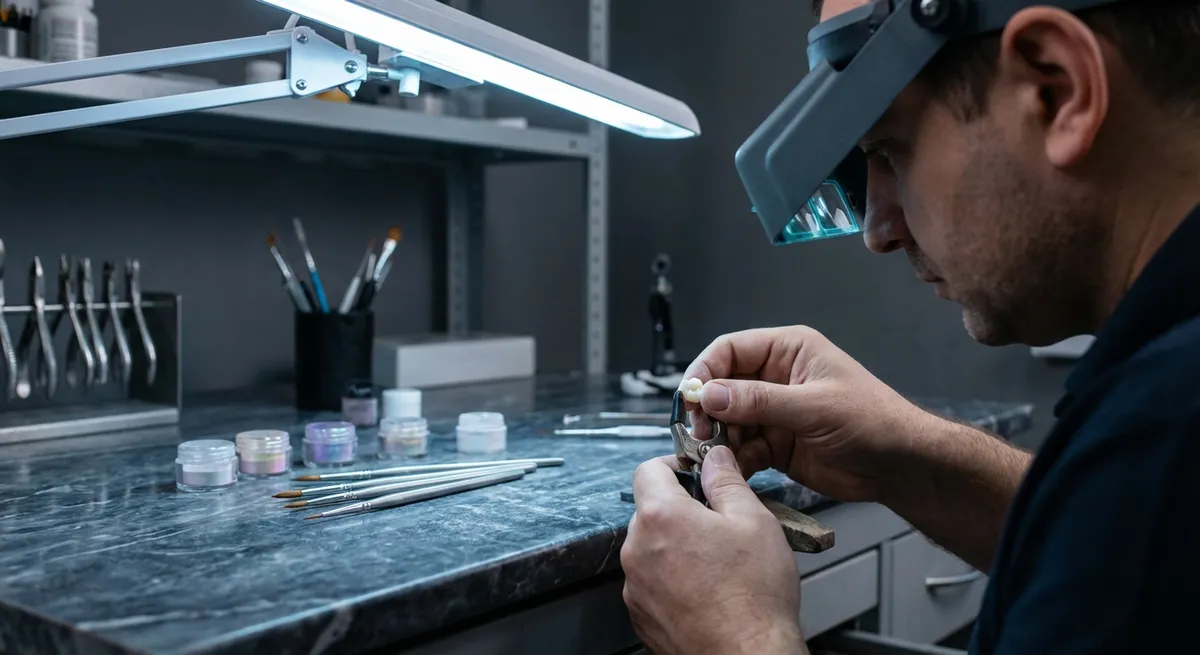
This is where bespoke wax-ups and high-caliber dental technicians become indispensable. In elite practices, your dentist and master ceramist function almost like a designer and couturier, exchanging detailed specifications to ensure that every veneer or crown aligns with your facial features, personality, and aesthetic aims.
Exclusive Insight #2: Ask to review provisional (temporary) versions of your new smile before finalizing. The ability to fine-tune shape, length, and texture at this stage often differentiates standard cosmetic work from truly couture dentistry.
Beyond Aesthetics: Bite Harmony as a Silent Luxury
Many people pursuing dental makeovers focus solely on appearance, but the true luxury is a smile that looks exquisite and functions effortlessly. Your bite—how your upper and lower teeth meet—is the quiet architecture that supports everything else.
If veneers or crowns are placed without respecting your bite dynamics, you may experience chipping, cracking, or discomfort over time. High-level dentists typically evaluate jaw joint health (TMJ), muscle activity, and existing wear patterns before recommending any extensive cosmetic work. They may take bite records, use articulators to simulate jaw movement, or employ digital occlusal analysis to detect imbalances.
When your bite is harmonized, your restorations are less likely to fracture, your muscles function more comfortably, and your jaw joints are better protected. The result: your new smile not only looks elevated—it feels remarkably effortless, whether you are speaking, laughing, or savoring a meal.
Exclusive Insight #3: A thorough cosmetic consultation should include some level of bite or occlusal evaluation. If bite function is never discussed, you may be looking at a purely surface-level approach.
The Role of Temporaries: A “Dress Rehearsal” for Your Final Smile
In refined cosmetic treatment, temporary restorations are not an afterthought; they are a critical stage of iterative design. These provisionals offer a live preview of your future smile in real-world conditions—seen in natural light, tested in conversation, and felt during everyday eating and speaking.
This transitional phase allows fine adjustments in length (do your front teeth feel too long when you pronounce “F” and “V” sounds?), contour (does your lower lip trace the right curve along your upper teeth?), and the way your teeth support your lips. Temporaries also help assess comfort: Are there any areas where your bite feels different, too high, or unbalanced?
Few patients realize how pivotal this stage can be. Skipping careful attention to temporaries can lead to regrets once the final porcelain is in place, when changes are much more complex and costly.
Exclusive Insight #4: Treat your temporaries as a prototype, not an inconvenience. Take notes over a few days—how they look in different lighting, how they feel—and share precise feedback before moving to your final restorations.
Maintenance as a Lifestyle, Not a Chore
The most exquisite dental procedures cannot compensate for neglect. Long-term brilliance depends on a maintenance philosophy that feels integrated into your lifestyle, not burdensome. Sophisticated patients often view their smile as an asset to be curated, just like skincare, tailoring, or grooming.
Custom night guards may be recommended to protect porcelain from grinding forces. Professional cleanings—often every three to four months for those with significant restorative work—help preserve both gum health and the lustre of ceramic surfaces. At-home care may include specific toothbrushes, low-abrasive toothpastes that do not dull restorations, and guidance on avoiding excessive staining from certain foods or drinks.
Additionally, gums frame every restoration. Healthy, well-contoured gingiva can make even modest dental work appear elevated, while inflamed or receding gums can cheapen the appearance of otherwise beautiful veneers or crowns. Prioritizing periodontal health before and after cosmetic procedures is essential.
Exclusive Insight #5: Before committing to a major smile makeover, ask your dentist to outline not just the treatment plan, but the maintenance plan—including recommended visit frequency, protective appliances, and specific products tailored to your restorations.
Conclusion
A truly elevated dental procedure is never just about whiter or straighter teeth. It is an intricate blend of material science, facial aesthetics, functional engineering, and long-term strategy. The most refined results are often the least conspicuous—teeth that look like they have always belonged to you, simply in their most polished, harmonious form.
When you understand the nuances—material choice, micro-design, bite harmony, the power of temporaries, and the importance of maintenance—you are better equipped to collaborate with your dentist as an informed partner. In that partnership, your smile ceases to be a quick cosmetic fix and becomes something far more enduring: a carefully crafted, quietly luxurious expression of who you are.
Sources
- American Academy of Cosmetic Dentistry (AACD) – About Cosmetic Dentistry – Overview of cosmetic dental procedures, materials, and treatment planning principles.
- Mayo Clinic – Veneers – Explains what veneers are, how they’re used, and considerations for patients.
- Cleveland Clinic – Dental Crowns: Purpose, Procedure & Care – Details indications, materials, and long-term care for crowns often used in smile makeovers.
- Columbia University College of Dental Medicine – Occlusion and Temporomandibular Disorders – Discusses bite (occlusion) and its role in dental function and restorations.
- National Institutes of Health (NIH) – Esthetic Dentistry Literature Review (PubMed) – Research-based discussion of esthetic restorative dentistry, materials, and long-term outcomes.
Key Takeaway
The most important thing to remember from this article is that this information can change how you think about Dental Procedures.