A truly elevated smile is never an accident. It is the result of meticulous planning, nuanced clinical choices, and a profound respect for both aesthetics and biology. For those accustomed to customization in fashion, interiors, and wellness, dental procedures are no longer a generic commodity—they are a curated experience, where each decision influences how you speak, laugh, and photograph for years to come.
This guide takes you past the glossy “before and after” photos and into the quiet, exacting decisions that define a premium smile makeover. Beyond whitening and veneers, you’ll discover how material science, facial analytics, and long-term oral health intersect to create a result that feels as natural as it looks exceptional.
Redefining “Cosmetic”: When Function Leads, Aesthetics Follow
In refined dentistry, “cosmetic” does not mean superficial; it means harmonizing appearance with function so elegantly that the work becomes invisible.
Premium treatment begins with a functional analysis: how your teeth meet, where your jaw rests at ease, and how your muscles behave when you speak or clench. An exquisite veneer that disrupts your bite is not a luxury—it is a liability. That is why many high-level smile transformations begin with foundational treatments such as bite adjustment, selective reshaping, or discreet orthodontics before anything “glamorous” is placed.
Your clinician should explore with you how proposed procedures will influence your speech, chewing efficiency, joint comfort, and even tension headaches. This functional-first perspective ensures that porcelain restorations, crowns, implants, or bonding are built on a stable, comfortable foundation. The result is a smile that not only looks refined under studio lighting but also feels effortless over a full workday, a tasting menu, or a long-haul flight.
The Material Conversation: Porcelain, Composites, and the Art of Restraint
At the higher end of dental care, the choice of material is a design decision, not a default. Each option—lithium disilicate, layered feldspathic porcelain, zirconia hybrids, or advanced composites—carries its own aesthetic signature and performance profile.
Layered porcelains can recreate the translucency and internal character of natural enamel, ideal for front teeth that live in the spotlight. Monolithic ceramics, on the other hand, may be selected for molars or implant crowns where strength under pressure is paramount. Composites, when handled by a truly skilled cosmetic dentist, can offer subtle corrections with minimal tooth alteration and the option of future revision.
A hallmark of sophisticated dentistry is intelligent restraint: preserving as much natural tooth as possible. Ultra-conservative preparations, enamel-preserving techniques, and additive-only bonding reflect an understanding that your natural enamel is irreplaceable. When you discuss treatment, listen for language around “minimal reduction,” “enamel preservation,” and “reversibility wherever possible.” These are the cues that your clinician is planning not just for the reveal, but for your smile’s next decade.
Exclusive Insight #1: In high-caliber practices, the material is matched not only to the tooth but also to your lifestyle—considering whether you travel often, consume highly pigmented foods and wines, clench or grind, or prefer whitening treatments. The more personalized this conversation, the more bespoke the final result.
Digital Smile Planning: Your Face as the Blueprint
Digital smile design has quietly transformed the way premium dental procedures are planned. Rather than working tooth by tooth, your entire face becomes the reference: your lip line, eye alignment, facial symmetry, and even the way your cheeks move when you laugh.
High-resolution photography, digital scans, and often 3D imaging allow your dentist and dental lab to co-design your smile to your specific proportions. The goal is not “perfect” teeth in isolation, but a composition—length, width, translucency, and contour—that flatters your natural features and age.
Before committing, many clients experience a “test drive” of their new smile: a digital mock-up, an overlay on photographs, or a temporary version placed over existing teeth. This phase is critical. It allows subtle refinements—adjusting tooth length for a more elegant profile, softening incisal edges for a less rigid look, or modifying brightness to complement your skin tone rather than overpower it.
Exclusive Insight #2: In premium practices, digital planning is often collaborative. Dental technicians, ceramists, and sometimes even facial aesthetic practitioners are consulted, bringing a multi-disciplinary perspective to your final design.
The Ceramist Behind the Smile: Bespoke Porcelain as Craft
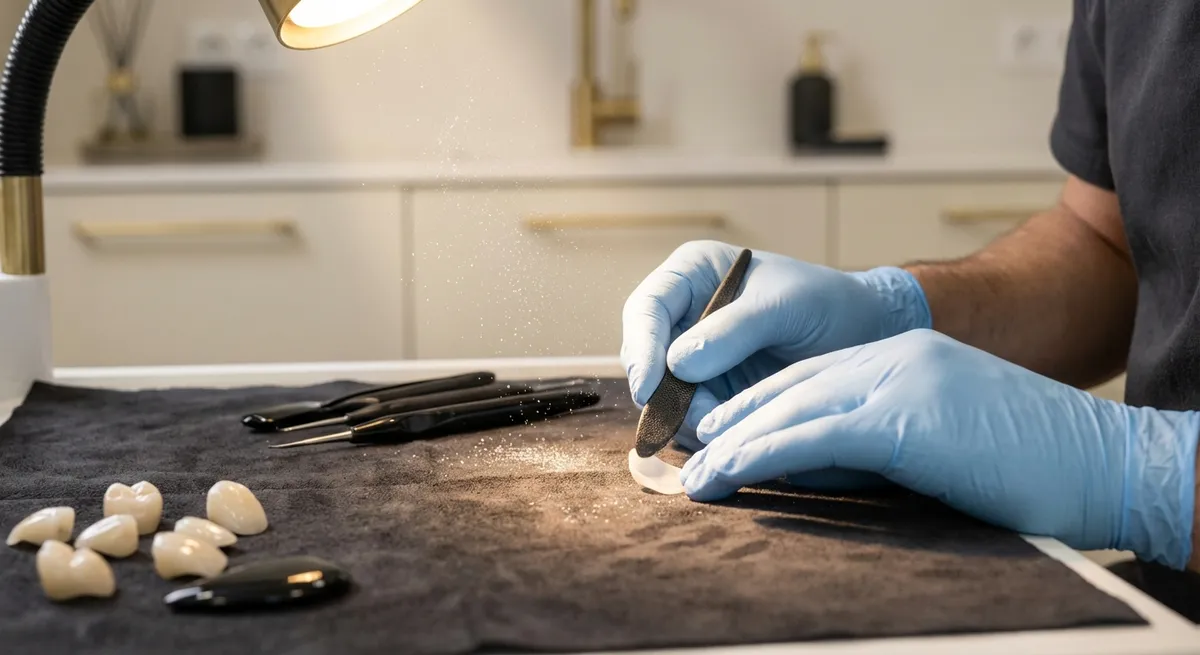
In the world of elevated smile makeovers, the ceramist is akin to a couture tailor—largely unseen, but central to the final result. While mass-produced restorations are increasingly automated, top-tier smiles are often crafted by a dedicated master ceramist who studies your photographs and shade maps in remarkable detail.
Tiny nuances distinguish a “done” smile from a refined one: subtle gradation of color from gum line to edge, micro-texture that mimics natural enamel, and the avoidance of overly opaque, flat white shades. These details photograph beautifully in natural light and prevent that telltale “cosmetic dentistry” look.
When you invest in premium veneers or crowns, ask where they are fabricated and whether you will have input during the shade and shape selection. The opportunity to meet your ceramist—sometimes even at the dental practice—is a strong indicator that your restorations are individually crafted rather than chosen from a catalogue of standardized teeth.
Exclusive Insight #3: Luxury-level smiles often involve a “try-in” set of provisional restorations that mimic the final porcelain’s shape and proportion. You live with them briefly, provide feedback on comfort and aesthetics, and only then is the definitive porcelain crafted. This extra step dramatically reduces regret and revision.
Harmonizing Gum Architecture: The Silent Frame of a Premium Smile
Teeth draw attention, but gums define the frame. Uneven gum levels, excess gingival display (“gummy smile”), or asymmetrical contours can disrupt even the most beautifully crafted porcelain. In premium dental transformations, gum architecture is never an afterthought.
Modern techniques—laser contouring, microsurgical reshaping, or more advanced periodontal procedures—allow clinicians to sculpt the gum line with precision and minimal discomfort. The aim is balance: how much gum shows when you smile, how teeth emerge from the tissue, and how smoothly the gum line flows from one tooth to the next.
Healthy, well-shaped gums also contribute to long-term stability. Inflammation or poorly managed gum disease can compromise even the most expensive cosmetic work. High-end practitioners, and especially periodontists, will integrate gum health into your makeover plan as a non-negotiable element, not an optional add-on.
Exclusive Insight #4: In refined cases, your clinician may “design” your smile starting from the anticipated gum line and then determine tooth length, restoration margins, and even lip support around that frame. This sequence preserves both aesthetics and periodontal health over time.
Beyond the Chair: Longevity as the Real Luxury
The true test of a sophisticated dental procedure is not the first photograph, but how gracefully it ages. Longevity in premium dentistry is never accidental; it is engineered through meticulous planning, material selection, and aftercare.
A bespoke maintenance protocol is often part of a high-end smile package. This may include custom night guards for those who clench, ultrasonic cleanings at carefully chosen intervals, guidance on safe whitening around restorations, and strategies to protect both enamel and porcelain when you travel, train, or entertain.
Just as you might develop a care ritual for fine leather or cashmere, your smile deserves structured upkeep: soft-bristled brushes, low-abrasion toothpaste, interdental cleaning tailored to your restorations, and regular check-ups calibrated to your specific risk factors.
Exclusive Insight #5: The most advanced practices document your case in detail—photographs, digital scans, and lab notes—so that if a restoration ever needs replacement, it can be recreated with remarkable fidelity. This “archive” of your smile becomes a long-term asset, safeguarding your investment.
Conclusion
A premium smile makeover is an exercise in discernment. It is less about chasing an idealized version of beauty and more about articulating your own aesthetic, then translating it into dental decisions that feel authentic and enduring. When function, facial harmony, material science, gum architecture, and long-term planning converge, the result is a smile that does not announce itself—it simply belongs.
For those accustomed to curation in other parts of their life, dental procedures offer a similar opportunity: to commission work that is precise, personal, and quietly exceptional. The most successful transformations are not the most dramatic, but the most considered—where every millimeter, every surface, and every line has been given the attention it deserves.
Sources
- American Dental Association – Veneers – Overview of veneer types, indications, and what to expect from treatment
- Cleveland Clinic – Cosmetic Dentistry Procedures – Detailed descriptions of common cosmetic procedures and their purposes
- Mayo Clinic – Dental Implants – Explanation of implant procedures, risks, and long-term considerations
- Harvard School of Dental Medicine – Digital Dentistry – Insight into how digital tools are reshaping modern dental planning and treatment
- National Institute of Dental and Craniofacial Research – Periodontal Disease – Authoritative information on gum health and its role in long-term dental stability
Key Takeaway
The most important thing to remember from this article is that this information can change how you think about Dental Procedures.