A refined smile is rarely an accident; it is the result of meticulous planning, technical mastery, and an exacting eye for detail. Today’s most sophisticated dental procedures transcend “cosmetic fixes” and instead function as precision-engineered enhancements—quietly harmonizing function, facial balance, and personal style. For individuals considering a comprehensive smile makeover, the conversation has shifted from “What can you fix?” to “What can we create?”
Below, we explore how contemporary dental procedures have evolved—and share five exclusive insights that discerning patients increasingly expect from a truly elevated smile transformation.
The Modern Smile Makeover Is a Design-Led Process, Not a Single Procedure
The era of one-off, isolated dental treatments is fading. In its place: a design-led approach where your smile is treated as a curated composition rather than a collection of teeth.
A modern smile makeover begins with a comprehensive evaluation—dentition, gum architecture, bite dynamics, facial proportions, even the way your lips move when you speak or laugh. Treatments such as porcelain veneers, ceramic crowns, Invisalign or clear aligners, and minimally invasive bonding are selected not as standalone solutions, but as coordinated instruments in a larger aesthetic score.
This shift is significant. Rather than simply whitening or correcting a single front tooth, clinicians now map out how each procedure contributes to harmony: how incisor length influences lip support, how canine shape affects facial expression, how gum symmetry transforms perceived tooth alignment. Technology—digital scanners, 3D imaging, and virtual smile simulations—allows patients to preview these changes with impressive accuracy.
A carefully orchestrated smile makeover doesn’t just “improve” your teeth; it refines posture, softens facial lines, and can subtly elevate your entire presence.
Exclusive Insight #1: Micro-Details in Veneer Design Quietly Signal Luxury
Porcelain veneers are often discussed as if they are a single, uniform procedure. In reality, the difference between acceptable veneers and truly elevated restorations lies in minute details that most people cannot name, but everyone can sense.
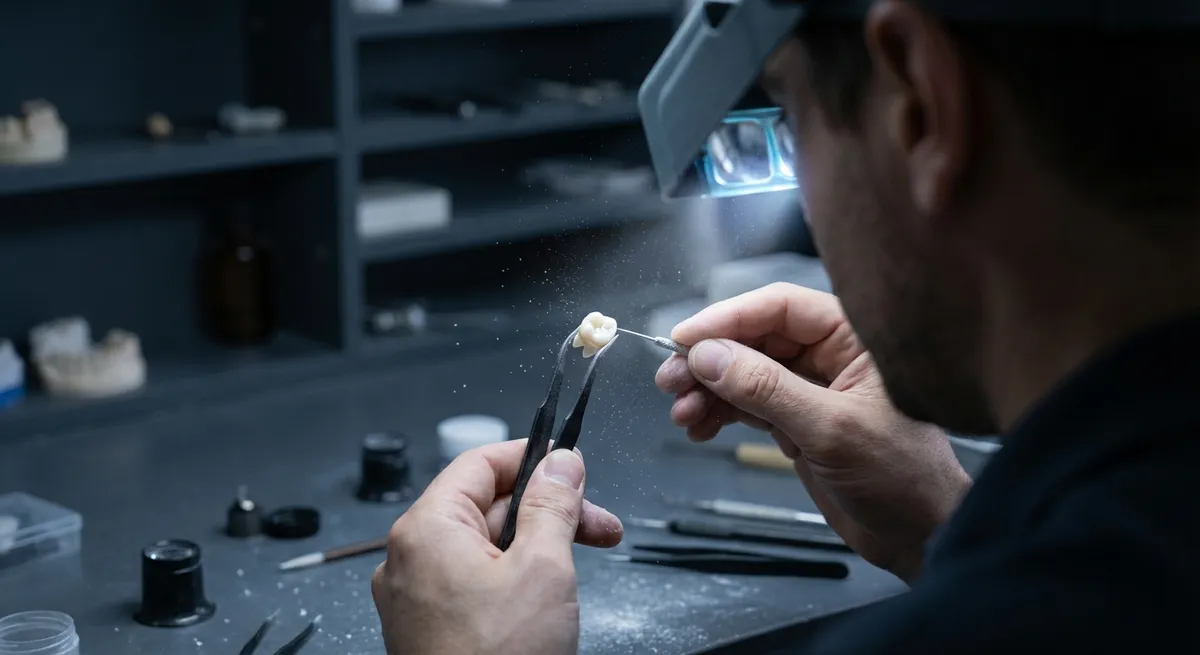
Premium veneer design considers micro-texture, translucency, and light behavior. High-end ceramic work mimics the way natural enamel scatters and reflects light, especially at the edges and near the gumline. The surface is not overly glossy or “flat-white”; instead, it has microscopic character—delicate ridges and subtle gradations of color that signal authenticity rather than artificial perfection.
Length and proportion are equally critical. The golden proportions of the front six teeth, the degree of incisal translucency (the slightly see-through edges), and the gentle variation from tooth to tooth all contribute to a look that feels refined rather than “done.” An experienced dentist-ceramist team will even consider your personal aesthetic—whether your style leans more classic, understated, or fashion-forward—and translate that into tooth shape and brightness.
For those seeking true luxury, asking about the ceramist’s portfolio, layering techniques, and material selection (e.g., high-strength lithium disilicate vs. zirconia for specific teeth) can be more revealing than simply inquiring about “veneers.”
Exclusive Insight #2: Bite Rebalancing Is the Hidden Architecture of Lasting Results
Many patients focus on visible corrections—color, shape, alignment—while overlooking the foundational element that determines comfort and longevity: the bite. Also known as occlusion, your bite is the way your upper and lower teeth meet and move against each other.
Advanced smile makeovers often include subtle bite adjustments through orthodontics, selective reshaping, or carefully designed restorations. This rebalancing can protect delicate porcelain from chipping, reduce tension in the jaw joints, and minimize the risk of headaches or muscle strain. It also affects how naturally your teeth “feel” when speaking and chewing.
When veneers, crowns, and implants are placed without a sophisticated understanding of occlusion, the result can look beautiful but behave poorly—leading to fractures, sensitivity, or the need for frequent repairs. In contrast, when the bite is intentionally calibrated, the new smile functions like a finely tuned mechanism: smooth, quiet, and stable.
For discerning patients, one essential question to ask is how your dentist evaluates and manages occlusion as part of the aesthetic plan—not as an afterthought.
Exclusive Insight #3: Gum Contouring and Tissue Health Define the “Frame” of Your Smile
Luxury dental work does not stop at the teeth. The gums—often overlooked—are the frame that determines how those teeth are perceived. Even the most exquisite porcelain can be diminished by asymmetrical gumlines, chronic inflammation, or dark spaces at the margins.
Modern procedures such as laser gum contouring, crown lengthening, and minimally invasive periodontal therapies allow clinicians to refine the pink architecture surrounding each tooth. Slightly raising a single gumline can create the illusion of straighter teeth; balancing the contours from left to right can transform the symmetry of the entire smile.
Just as importantly, periodontal health is now treated as a prerequisite for cosmetic excellence, not a secondary concern. Red, puffy, or receding gums undermine both aesthetics and longevity. A sophisticated treatment plan prioritizes disease control, gentle cleanings, and, if needed, regenerative techniques before any cosmetic phase begins.
The result is not only a more polished appearance but a smile that looks naturally well-kept—like tailoring that sits perfectly because the underlying structure is impeccably constructed.
Exclusive Insight #4: Minimally Invasive Techniques Are the New Standard of Refinement
In high-end dentistry, the most coveted procedures are often the least aggressive. The philosophy has evolved from “prepare teeth to fit the veneers” to “design veneers to fit the teeth.”
Thanks to advancements in ceramics and bonding protocols, many veneers can now be ultra-thin, requiring minimal—or in some carefully selected cases, no—reduction of natural enamel. Similarly, orthodontic alignment with clear aligners can pre-position teeth so that porcelain additions remain conservative. Composite bonding can be used strategically to test shapes before committing to more permanent materials.
This minimally invasive philosophy preserves tooth structure, reduces long-term sensitivity, and keeps future options open. It reflects a broader luxury mindset: true refinement does not rely on excess but on precision—doing only what is necessary, but doing it exquisitely well.
When considering a makeover, asking how much enamel will be removed, and whether pre-alignment or additive-only approaches are possible, is a hallmark of an informed, discerning patient.
Exclusive Insight #5: Shade Selection Is About Personality, Not Just Whiteness
To the untrained eye, tooth color is simply “white.” In reality, elevated shade selection is a highly nuanced art that blends science, aesthetics, and individuality.
A sophisticated practitioner will look beyond a standard shade guide and consider undertones (warm vs. cool), translucency, and gradation from the neck of the tooth to the edge. Your skin tone, lip color, age, and typical wardrobe palette all subtly influence what will appear natural yet elevated. A strikingly bright shade may suit a high-contrast, editorial look; a slightly softer, warmer tone may align better with an understated, timeless aesthetic.
Rather than defaulting to the brightest shade available, the most refined makeovers aim for a color that looks luminous in real life and in varied lighting—daylight, evening, and flash photography. Trial restorations, digital try-ins, and professional whitening beforehand allow you to “audition” different brightness levels before finalizing.
The goal is not to chase absolute whiteness, but to achieve a signature shade that feels uniquely, convincingly yours.
The Role of Digital Dentistry in Delivering Predictable, Tailored Results
Digital workflows—once considered cutting-edge—are now integral to premium dental procedures. Intraoral scanners replace traditional impressions, creating highly accurate 3D models. These are used to plan veneer shapes, position implants, simulate orthodontic movements, and design occlusal schemes before any irreversible step is taken.
Digital smile design software can integrate photographs, videos, and facial scans, allowing both patient and clinician to preview proposed changes from multiple angles. This provides an invaluable opportunity to refine tooth length, width, and incisal edges until they align seamlessly with your facial features and aesthetic preferences.
For implants and complex reconstructions, computer-guided surgery improves precision, helping ensure that final crowns emerge from the gums at ideal angles and positions. Combined with CAD/CAM milling and high-end lab artistry, the digital ecosystem has dramatically increased both predictability and personalization.
For patients seeking exceptional outcomes, choosing a practice that blends digital innovation with artisanal ceramic work is often the difference between a generic improvement and a truly bespoke result.
Conclusion
A sophisticated smile makeover is no longer defined solely by straight, white teeth. It is measured by proportion, light, function, comfort, and how naturally the result integrates with your overall presence. Today’s advanced dental procedures—veneers, crowns, implants, aligners, gum contouring, and beyond—are tools in a larger aesthetic and functional orchestration.
Those who approach treatment with an eye for detail and an appreciation for subtlety discover that the most luxurious smiles rarely shout. Instead, they whisper: in the way teeth follow the curve of the lip, in the effortless comfort of the bite, in the quiet confidence that comes from knowing every element has been meticulously considered.
When you view your smile as a crafted asset rather than a quick fix, dental procedures become less about correction and more about precision—shaping not just how you look, but how you inhabit every room you enter.
Sources
- American Dental Association – Veneers – Overview of porcelain veneers, indications, and considerations
- Mayo Clinic – Dental Implants – Explanation of implant procedures, benefits, and risks
- Cleveland Clinic – Malocclusion (Bad Bite) – Details on bite alignment and its impact on oral function and health
- Harvard School of Dental Medicine – Periodontal Disease – Insight into gum health and its role in overall oral stability
- University of Michigan School of Dentistry – Digital Dentistry – Discussion of how digital technologies are transforming modern dental care
Key Takeaway
The most important thing to remember from this article is that this information can change how you think about Dental Procedures.