A truly elevated smile makeover is never accidental. Behind every effortless, camera-ready grin lies a sequence of meticulously orchestrated dental procedures—each one calibrated to your facial proportions, lifestyle, and long-term oral health. Today’s premium dentistry is less about “fixing teeth” and more about curating an experience: technologically advanced, discreetly luxurious, and obsessively precise.
This is the world of modern dental procedures when executed at a high level—where comfort, detail, and design converge. Below, we explore how a sophisticated smile journey really unfolds, and share five exclusive insights that discerning patients rarely hear in the consultation room, but always appreciate once they know.
The Modern Dental Chair: A Precision Studio, Not a Clinic
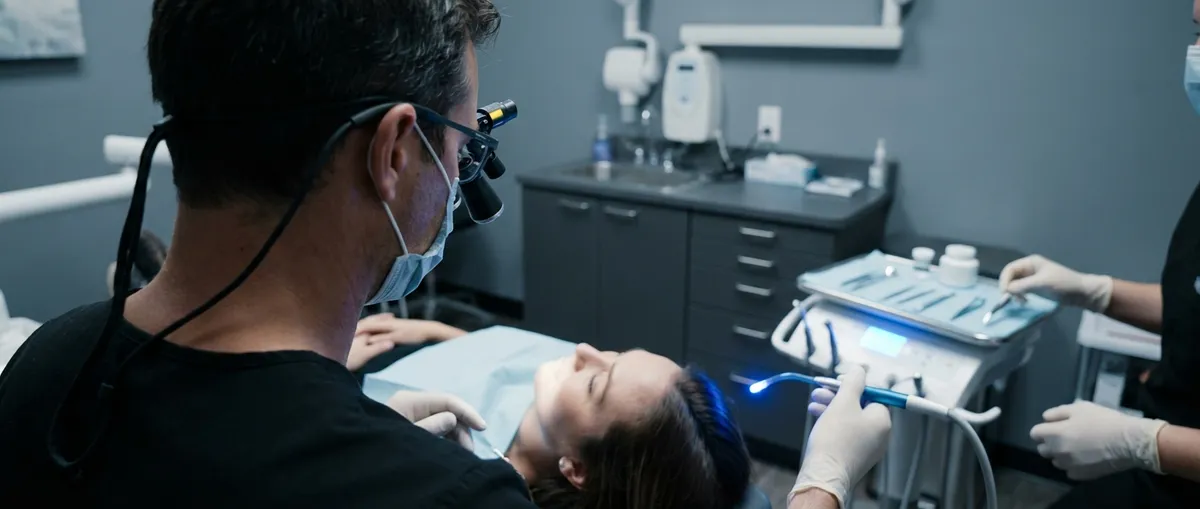
In a refined practice, the dental chair is closer to a design studio than a clinical bay. Every procedure—whether it’s bonding, veneers, implants, orthodontics, or gum contouring—is approached as part of an integrated aesthetic plan, not a standalone fix.
Advanced digital imaging, 3D scans, and facially driven planning software allow your clinician to view your teeth in motion: when you speak, laugh, and rest. High-resolution intraoral cameras can magnify microscopic imperfections invisible to the naked eye, informing more accurate preparations and more life-like restorations.
This environment also redefines comfort. Noise-reduction tools, warmed anesthetics, rubber dams that protect the airway, and refined injection techniques dramatically reduce discomfort and post-treatment sensitivity. Even the sequencing of appointments is curated—shorter, targeted visits for those with tight schedules, or consolidated “intensive sessions” for patients who prefer to accomplish more in fewer, expertly managed blocks of time.
In elite care, the atmosphere is intentional: low-scent environments, curated lighting that mimics natural daylight for accurate shade matching, and careful acoustic design to minimize the “clinical” feeling. The aim is not only excellent dentistry, but an experience that feels considered, calm, and almost effortless.
Designing the Smile Backwards: Starting From the Final Result
Truly sophisticated dental procedures begin with the end in mind. Rather than starting with “what’s wrong,” premium clinicians start with “what should this look like when it’s perfect, and how should it behave in motion?”
Digital smile design and mock-ups—either 3D printed or crafted in wax—allow you to “test drive” a proposed smile before committing to definitive treatments. Temporary restorations are not simply placeholders; they are prototypes. They show how the length, proportions, and contours of your teeth interact with your lips and facial structure in real life.
This backward-planning approach influences every procedure decision:
- How conservatively to prepare a tooth for a veneer
- Whether a crown can be replaced with a more minimal onlay
- Where to place an implant to support both function and ideal aesthetics
- How orthodontic movement should be staged to create space for future restorations
Instead of reacting to each problem as it appears, the entire treatment sequence is choreographed around the finalized design. The result: fewer surprises, better symmetry in different lighting and angles, and a smile that feels inherently “yours”—because it was built around your face, not a generic ideal.
Five Exclusive Insights Savvy Smile-Makeover Patients Should Know
Premium dental results often come down to nuances that are rarely publicized. These five behind-the-scenes truths quietly shape the difference between a “nice” smile and an unforgettable one.
1. Micro-Texture Matters More Than You Think
High-level ceramic work is about more than shade. The surface texture of a veneer or crown—subtle ridges, micro-grooves, and areas of varied gloss—determines whether your teeth look naturally luminous or flat and artificial.
Master ceramists hand-carve micro-texture into porcelain so that light scatters in a way that mimics natural enamel. In bright light, a well-textured restoration will show delicate highlights rather than a single reflective “glare.” This is why premium cases often require collaboration with a dedicated dental laboratory, not just in-office milling.
A discerning patient should ask:
- Who is the ceramist?
- Will photos and video of my face be shared with the lab?
- Can I review a “try-in” under different lighting before final cementation?
2. Gum Architecture Can Make or Break a Luxury Result
Teeth are only half the visual story. The contour, symmetry, and health of your gums dramatically influence how sophisticated your smile appears. Even the most exquisite veneers can look off-balance if the gum line is uneven, inflamed, or asymmetrically shaped.
Procedures like laser gum contouring, crown lengthening, or minimally invasive periodontal therapies can refine the “frame” around your teeth. Slightly evening out a high gum line or reducing gummy display when you smile often provides an outsized aesthetic payoff with relatively subtle intervention.
In elite treatment planning, your dentist will analyze:
- Gum symmetry relative to your pupils and nasal base
- The amount of gum visible in a wide smile
- How your gums respond to provisional restorations before committing to a final design
3. Bite Calibration Is Quietly One of the Most Luxurious Details
Luxurious dentistry is not only what you see—it’s how your smile feels over time. Bite calibration is the underrated backbone of long-lasting, comfortable cosmetic work.
Even tiny discrepancies in how your upper and lower teeth meet can lead to:
- Micro-fractures in porcelain or enamel
- Headaches or muscle tension
- Unexplained tooth sensitivity
- Chipping or wear at the edges of your new restorations
Advanced practices often use articulators (devices that replicate your jaw movements), digital bite scanners, and fine-tuned occlusal adjustments to harmonize your bite after procedures. This is a quiet, meticulous art: adjusting a fraction of a millimeter can dramatically reduce tension and protect your investment.
For discerning patients, asking how your provider assesses and refines the bite—beyond simply “bite down and tell me if that feels high”—can signal the difference between cosmetic and truly comprehensive care.
4. Staging Procedures Strategically Preserves More of You
Sophisticated dentistry is conservative in the best sense: it protects as much healthy tooth structure and tissue as possible, even in the pursuit of dramatic improvement.
Instead of jumping directly to aggressive restorative procedures, a premium treatment plan might stage care as follows:
- Subtle orthodontics (often clear aligners) to align teeth and reduce the amount of enamel that needs reshaping
- Professional whitening before color-matching any restorations, so fewer teeth require coverage
- Selective bonding to “test” shapes and forms prior to committing to ceramics
Thoughtful staging means that invasive procedures are used where they’re truly necessary—not as default solutions. This approach preserves options for future adjustments, helps maintain tooth vitality, and ensures that your smile ages gracefully rather than being locked into a single fixed solution.
5. Longevity Is Designed, Not Assumed
A refined smile makeover is engineered with its future in mind. Longevity is not just about durable materials; it’s about designing restorations and procedures that anticipate how you live: your bite forces, habits, travel schedule, diet, and even your profession.
Premium clinicians will ask nuanced questions:
- Do you grind or clench your teeth under stress or in your sleep?
- Are you frequently on camera, under bright lights, or in changing environments?
- Do you consume staining agents (coffee, tea, red wine) daily?
- Are you often traveling, making follow-up visits less frequent?
- Reinforced ceramics vs. more translucent materials
- Nightguard customization to protect restorations
- The level of polish and glaze to balance aesthetics with stain resistance
- The recommended cadence of professional maintenance and bite check-ups
The answers guide decisions about:
Longevity is an intentional outcome, shaped by planning, precision, and an honest dialogue about how you live—not merely by the inherent strength of porcelain.
From Procedure to Ritual: Elevating Your Post-Treatment Experience
Once the last appointment is finished, the true test begins: how your new smile integrates into your daily rituals. High-level practices often provide bespoke post-procedure protocols designed to preserve refinement rather than simply maintain “basic health.”
This may include:
- Customized home-care tools selected for your specific restorations and gum architecture (ultra-soft brushes, interdental cleaners, tailored floss or water-flossers)
- Targeted sensitivity management immediately after procedures, especially for extensive whitening or bonding
- Professionally recommended, enamel-safe whitening maintenance plans that won’t damage ceramic or composite work
- Scheduled “aesthetic reviews” where your dentist reassesses not just health, but optical harmony as your face subtly changes over time
Your role transitions from passive patient to active curator of your own result. When dental procedures are executed thoughtfully, maintenance feels less like burden and more like ritual—part of a wider commitment to self-presentation, wellbeing, and long-term confidence.
Conclusion
Modern dental procedures at a premium level are not a collection of isolated treatments; they’re a carefully staged, deeply personalized transformation. When executed with precision, every detail—from gum contour to bite calibration, micro-texture to long-term maintenance—is intentionally orchestrated.
The most exquisite smile makeovers are the ones you never have to explain. They feel natural, function comfortably, and withstand both time and scrutiny. Understanding the quiet, sophisticated decisions behind the scenes empowers you to participate in the process at a higher level—and to seek a standard of dental care that aligns with how you live, not just how you look in the mirror today.
Sources
- [American Dental Association – Cosmetic Dentistry Overview](https://www.mouthhealthy.org/all-topics-a-z/cosmetic-dentistry) – Outlines common aesthetic procedures and foundational concepts in modern cosmetic dentistry
- [Harvard School of Dental Medicine – Digital Dentistry and Innovation](https://hsdm.harvard.edu/news/digital-technologies-transform-dentistry) – Discusses how digital tools like 3D imaging and CAD/CAM are reshaping dental procedures and treatment planning
- [National Institutes of Health (NIH) – Esthetic Smile Perception Study](https://www.ncbi.nlm.nih.gov/pmc/articles/PMC6374094/) – Explores how factors like gingival display, symmetry, and tooth proportions influence perceived smile attractiveness
- [Mayo Clinic – Dental Implants](https://www.mayoclinic.org/tests-procedures/dental-implant-surgery/about/pac-20384622) – Provides evidence-based information on implant procedures, planning, and long-term considerations
- [UCLA School of Dentistry – Occlusion and Bite Function](https://www.dentistry.ucla.edu/patient-care/conditions/occlusion) – Explains the importance of a balanced bite and its relationship to comfort, function, and restoration longevity
Key Takeaway
The most important thing to remember from this article is that this information can change how you think about Dental Procedures.