A refined smile makeover is no longer about “perfect white teeth.” In the world of elevated aesthetics, smile design has become a discipline of quiet geometry—where angles, proportions, light, and texture are orchestrated to complement your face, your voice, and even the way you move. The most sophisticated results feel inevitable, as though your smile has always belonged to your features. This is where contemporary smile design lives: at the intersection of digital precision, artistic restraint, and highly personalized strategy.
Smile Design as Facial Architecture, Not Just Tooth Repair
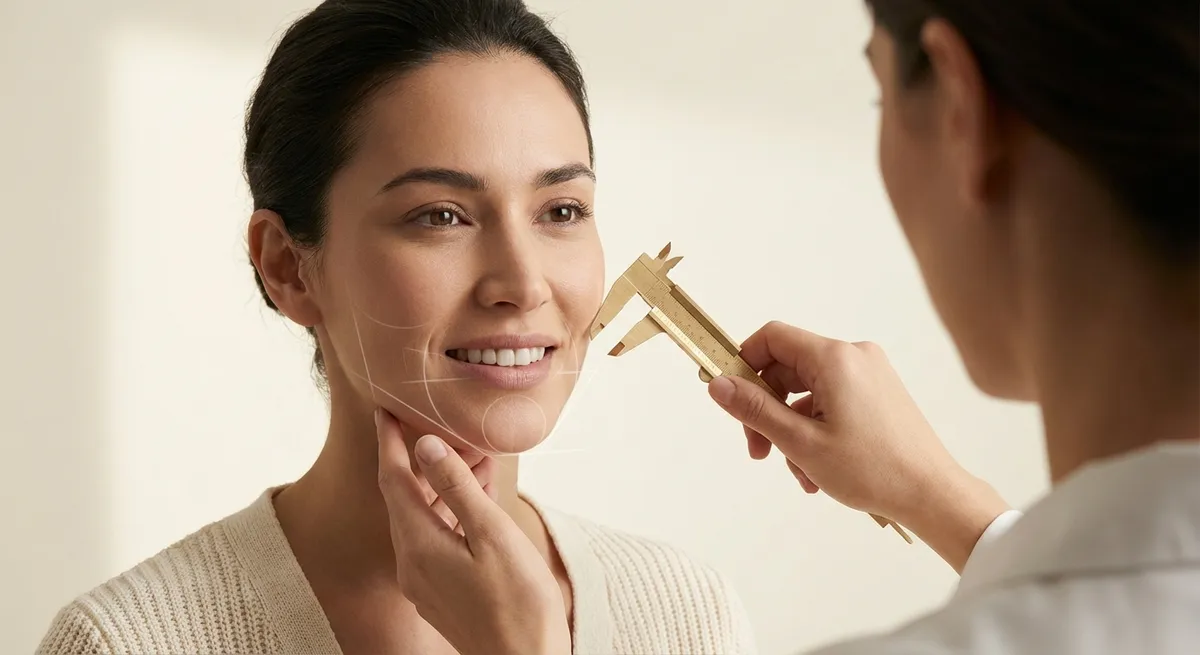
Modern smile design treats teeth as structural elements within a larger architectural plan: your face. Instead of starting with a shade guide or veneer catalogue, a discerning dentist begins with your facial framework—midline, lip support, cheek volume, and vertical facial proportions.
The goal is not symmetry at all costs, but equilibrium. Tiny variations between left and right can preserve character and softness, while enhancing overall harmony. The visibility of teeth at rest, their length relative to your upper lip, and how the incisal edges echo your lower lip line all inform design decisions. This architectural view ensures that any change to tooth length or contour supports your profile, not just your smile in a single posed photograph. The result is a look that feels integrated rather than “added on.”
Five Exclusive Insights Behind Truly Elevated Smile Design
Below are five under‑discussed dimensions of smile design that discerning patients often appreciate only after experiencing a premium makeover.
1. Micro‑Proportions Matter More Than “Perfect” Ratios
Golden ratios and textbook proportions are widely discussed in cosmetic dentistry, but in the most sophisticated cases, they are treated as references—not rules. Elite clinicians work with micro‑proportions: subtle variations in width, height, and contour that keep the smile from looking standardized.
For example, gently staggering the apparent width of lateral incisors or softening a canine’s prominence can prevent the “piano‑key” effect. The incisal embrasures—the tiny negative spaces between the edges of teeth—are sculpted to create an organic rhythm from central incisors toward the back. These millimeter‑level adjustments influence how light and shadow dance across your teeth, which is often what differentiates a natural, high‑end result from a conspicuously “done” one.
2. Texture and Gloss Are as Important as Shade
Many patients arrive asking primarily about “how white” their teeth can be. Yet premium smile design pays equal attention to texture, translucency, and gloss. Natural enamel has complex surface characteristics: microscopic ridges, subtle vertical striations, and areas of translucence at the edges. When these are replicated artfully, even a lighter shade can look convincingly natural.
Overly polished, glass‑like veneers in a flat shade often betray themselves under daylight or flash photography. Refined ceramic work incorporates layered porcelains with varying opacities to mimic the way real enamel scatters and reflects light. This nuanced play of gloss and texture allows the smile to photograph beautifully from multiple angles, rather than reading as a flat white band.
3. Lip Dynamics Shape the Final Design
The most exceptional smile designs are planned not only for static poses but for motion. How your lips move when you speak, laugh, and pronounce certain sounds can influence tooth length, curvature, and even color transitions.
A skilled clinician may record you talking or laughing to observe how much tooth and gum show during spontaneous expressions, rather than relying solely on a single smile photo. For some patients, the priority is minimizing upper gum display during animated conversation; for others, it’s ensuring that lateral teeth are sufficiently visible to avoid a “black corridor” at the corners of the mouth. Designing with lip dynamics in mind yields a smile that feels unforced and natural in real life, not just carefully curated images.
4. Digital Mock‑Ups Are a Starting Point, Not the Finale
Digital smile design software has elevated planning by allowing precise visualization of tooth shape, position, and proportions in relation to the face. However, in the most tailored cases, these renderings are treated as sophisticated sketches, not final blueprints.
3D printed mock‑ups or chairside “test drives” of the proposed smile give you the chance to feel how new contours influence speech, lip posture, and even self‑perception. You may discover that an initially appealing celebrity‑inspired look feels too bold in motion, or that a slightly softer edge profile better suits your personality. The collaborative refinement of these mock‑ups is where a digital plan evolves into a bespoke design, aligned with your aesthetic instincts and daily life.
5. Occlusion Strategy Quietly Protects Your Investment
Behind every enduring, high‑end smile is a carefully engineered bite. Occlusion—the way your upper and lower teeth meet—is not just a functional detail; it is a long‑term insurance policy for your cosmetic result.
Minor changes in tooth length or angulation can shift the forces exerted during chewing and clenching. If unaddressed, this may lead to micro‑fractures, chipping, or veneer debonding over time. Meticulous bite analysis, sometimes including digital or jaw‑tracking technology, allows your dentist to distribute forces more evenly and design protective guidance pathways for the front teeth. Patients who grind or clench may also be fitted with discreet night guards engineered to safeguard ceramic work while maintaining comfort and aesthetics. This occlusal strategy is rarely visible, but it is one of the defining differences between an attractive short‑term result and a refined smile that remains stable and elegant for years.
The Subtle Power of Personal Aesthetic Boundaries
Premium smile design is not about chasing a trend; it is about curating a visual language that feels authentically yours. This begins with a clear conversation about aesthetic boundaries: how much transformation you want others to notice, how your professional environment shapes those preferences, and what emotional message you want your smile to convey.
Some patients request a “whispered change”—an elevated version of their current smile recognizable mostly to themselves and those closest to them. Others seek a more visible shift that still respects facial proportions and age appropriateness. Thoughtful clinicians translate these preferences into specific design choices: tooth length, incisal translucency, contour sharpness, and shade intensity. When your boundaries are understood and honored, the final result feels less like a dental procedure and more like an aligned expression of your identity.
Integrating Oral Health Into the Aesthetic Plan
While the focus of smile design is often visual, the most successful treatment plans treat oral health as the foundation rather than a follow‑up. Gum health, bone support, and tooth integrity shape what is possible aesthetically and how stable those results will be.
Periodontal refinement—addressing inflamed or uneven gum tissue, discreetly reshaping gum contours, or correcting minor asymmetries—can dramatically elevate the frame around your teeth. Underlying issues such as micro‑cracks, previous large fillings, or early enamel erosion are evaluated not only for structural stability but also for how they will interact with new ceramics or bonding. By integrating restorative and aesthetic strategies from the outset, your provider ensures that the smile you see in the mirror has strength and biology working quietly behind it.
Conclusion
Advanced smile design is less about achieving a generic ideal and more about orchestrating a precise, personal equilibrium—between structure and softness, light and shadow, presence and discretion. When micro‑proportions are honored, textures thoughtfully crafted, lip dynamics studied, digital tools used as a collaborative canvas, and the bite engineered for longevity, a smile ceases to be a standalone feature. It becomes a seamless part of your overall presence.
For those considering a dental makeover, the true luxury lies not only in the materials or technology, but in the level of attention devoted to these quiet details. In that space—between science and subtle artistry—your most authentic, elevated smile can emerge.
Sources
- American Academy of Cosmetic Dentistry – The Art & Science of Cosmetic Dentistry - Overview of cosmetic dentistry principles, including aesthetics, materials, and treatment planning
- Columbia University College of Dental Medicine – Smile Design Concepts - Educational material on smile design, proportions, and facial considerations
- Journal of Esthetic and Restorative Dentistry – The “Golden Proportion” in Aesthetic Dentistry - Peer‑reviewed discussion of aesthetic ratios and their application in smile design
- Mayo Clinic – Veneers: What to Know - Clinical overview of veneers, indications, benefits, and risks
- National Institute of Dental and Craniofacial Research (NIDCR) - Information on tooth wear and erosion relevant to long‑term stability of cosmetic treatments
Key Takeaway
The most important thing to remember from this article is that this information can change how you think about Smile Design.