In contemporary cosmetic dentistry, an exquisite smile is no longer a matter of “perfect” teeth alone—it is an exercise in precision, proportion, and restraint. The most coveted results look effortless, yet are meticulously engineered: customized to your face, your lifestyle, and even the way you move and speak. For those considering a dental makeover, understanding what truly distinguishes a refined result from a merely “nice” one is essential. What follows are five exclusive dimensions of cosmetic dentistry that discerning patients quietly prioritize, long before they sit in the chair.
1. Smile Harmony Begins With Facial Geometry, Not Tooth Shape
Many patients arrive with screenshots of celebrity smiles and a request to “match this.” Skilled cosmetic dentists, however, begin not with a photo, but with your facial architecture. The width of your cheekbones, the length of your upper lip, the angle of your jawline, and the symmetry (or asymmetry) of your features all dictate what will actually look natural.
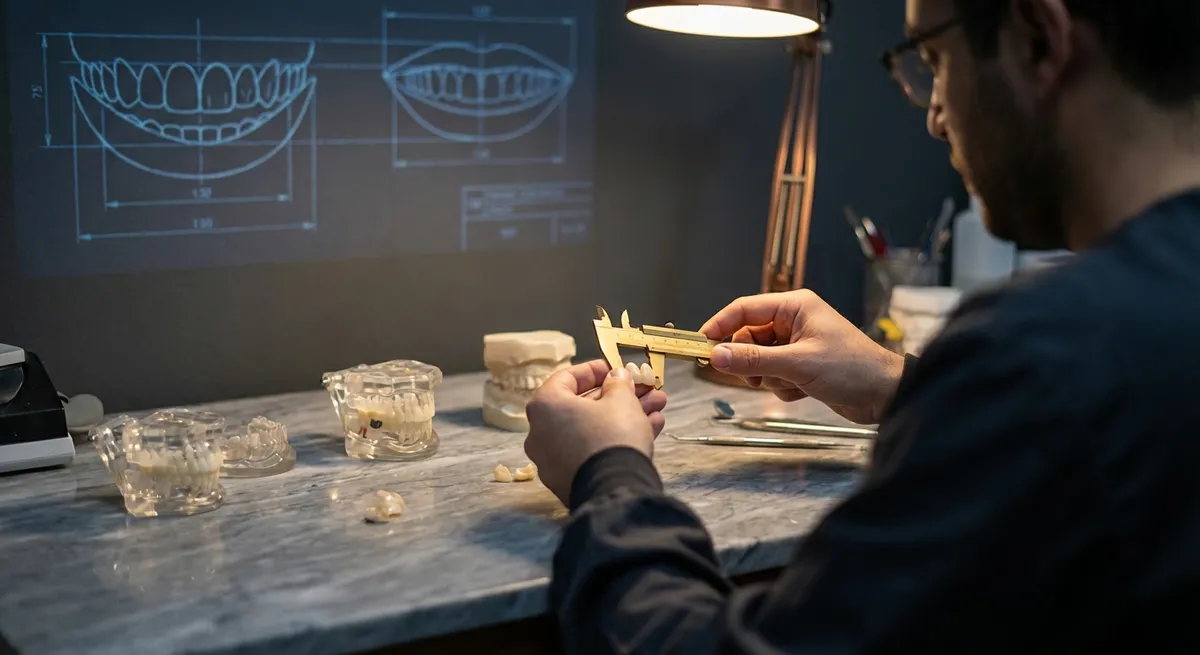
Rather than imposing a generic “Hollywood” template, your dentist should study how your face appears at rest, in conversation, and in genuine laughter. The ideal tooth length, the degree of incisal translucency (that subtle glass-like edge of the front teeth), and the curvature of the smile line are calibrated to your facial thirds and your unique lip dynamics. This is why a smile that looks spectacular on one person can look oddly artificial on another. Ask your provider how they evaluate facial proportions and whether they use digital smile design or facially driven treatment planning. The goal is not “perfect” teeth in isolation; it is a smile that disappears seamlessly into your face.
2. The Texture, Not Just the Color, Signals Authenticity
Whiter is not always better; brighter, within reason, nearly always is. Yet what truly separates sophisticated cosmetic work from overdone dentistry is surface character. Natural enamel is not a flat, opaque slab. It has microscopic ridges, faint vertical lines, gentle undulations, and variable gloss. Light bounces off these textures in nuanced ways, which is why real teeth never appear like identical white tiles.
High-caliber porcelain veneers or crowns incorporate these details by design. A master ceramist will build in layered translucency, delicate halo effects near the edges, and subtle texture that mimics your age and style. A younger patient may suit slightly more pronounced texture and higher luminosity; a more mature patient often looks best with softened contours and refined, restrained brightness. When evaluating before-and-after images, look closely: do the teeth look like they belong to the person, or like a uniform row of chiclets? The difference almost always comes down to surface texture and the way light interacts with it.
3. Your Smile Makeover Should Anticipate Movement and Speech
Many patients assess their smile only in still photographs. Yet your dentist must design for motion: how your lips move around certain consonants, how much gum shows when you laugh, whether your upper teeth remain visible when you speak softly. A beautifully crafted smile that looks flawless in a posed image can feel or appear unnatural in real life if these functional subtleties are ignored.
Advanced cosmetic planning often includes video analysis, phonetic testing (having you pronounce specific sounds), and provisional restorations that you “test-drive” in everyday life. This trial phase can reveal whether a slightly shorter front tooth improves your “F” and “V” sounds, or if a minimal adjustment to tooth width changes how your lips rest at the end of a sentence. These nuances matter enormously in high-end work, because you are not paying for teeth that only look correct in one angle—you are investing in a smile that performs gracefully in motion, on camera, in conversation, and under all types of lighting.
4. Healthy Foundations Are the Quiet Luxury Behind Every Result
The most elegant cosmetic result is built on a foundation of health that is almost invisible—but indispensable. Gum health, bone support, bite balance, and joint comfort do not trend on social media, yet they are the infrastructure that keeps your investment beautiful over time. A rushed makeover that ignores hidden gum inflammation, small fractures, or a misaligned bite may look impressive initially but is far more likely to chip, stain at the margins, or require premature replacement.
Refined practices often begin with a comprehensive assessment: detailed imaging, periodontal evaluation, bite analysis, and sometimes collaboration with specialists in orthodontics or periodontics. This may extend your treatment timeline, but it dramatically improves both longevity and comfort. You should feel encouraged—not discouraged—when a dentist recommends addressing subtle gum issues, minor alignment concerns, or clenching habits before final veneers or crowns. Think of it as designing the foundation of a home before choosing the façade; it is not visible in the final photograph, but you will experience the difference every day.
5. Material Choice Is About Lifestyle as Much as Aesthetics
High-quality ceramic, composite bonding, and modern zirconia each have distinct personalities. Selecting the right material is less about chasing the most expensive option and more about pairing your lifestyle and expectations with the strengths of each choice. For example, meticulously layered porcelain veneers offer exquisite translucency and lasting color stability, making them ideal for patients seeking the most elevated, camera-ready aesthetics. However, they require disciplined home care and an understanding of long-term maintenance.
Composite bonding, by contrast, can be more conservative and reversible, and is often well-suited to subtle refinements or younger patients whose smiles may continue to change. Advanced zirconia ceramics, once known primarily for strength, have evolved in translucency and can provide a compelling balance of durability and refinement—particularly in the back teeth or in cases of heavy bite forces or bruxism. A thoughtful dentist will ask about your work environment, your diet (acidic foods, red wine, coffee), any grinding habits, and your tolerance for future touch-ups. Sophisticated cosmetic dentistry is not about pushing a single “premium” solution; it is about curating a material strategy that aligns with how you live, not just how you look in a photo.
Conclusion
A truly elevated smile makeover is never accidental. It is the sum of quiet decisions—about facial harmony, texture, movement, health, and material selection—that are invisible to most observers yet immediately apparent in the final result. For patients seeking more than a generic “before-and-after,” understanding these dimensions allows for more meaningful consultations and more discerning choices. When you view your smile not as a quick cosmetic fix but as a carefully architected feature of your overall presence, you set the stage for results that feel as natural as they are refined—and remain so for years to come.
Sources
- American Academy of Cosmetic Dentistry (AACD) – About Cosmetic Dentistry – Overview of cosmetic dentistry principles, training, and standards of care
- Mayo Clinic – Veneers – Explanation of porcelain veneers, indications, and considerations
- Harvard School of Dental Medicine – Oral Health Topics – Evidence-based discussions on oral health, gum disease, and foundational dental health
- National Institute of Dental and Craniofacial Research (NIDCR) – Research-based information on oral health conditions relevant to long-term treatment success
- Journal of Prosthetic Dentistry – Esthetic and Functional Considerations in Smile Design – Peer-reviewed research and articles on esthetics, materials, and occlusion in restorative and cosmetic dentistry
Key Takeaway
The most important thing to remember from this article is that this information can change how you think about Cosmetic Dentistry.