A refined smile is rarely an accident. Behind every seemingly effortless, luminous grin lies a quiet choreography of proportions, textures, light, and personal identity. Modern smile design has evolved far beyond “perfect teeth” into something more nuanced: a tailored visual language that respects facial architecture, lifestyle, and even personality. For those contemplating a dental makeover, understanding these finer points transforms the experience from a cosmetic upgrade into a considered investment in self-presentation.
Below are five exclusive, often-overlooked insights that distinguish a merely “nice” smile from a truly elevated one.
The Architecture of Proportion: Designing for the Entire Face, Not Just the Teeth
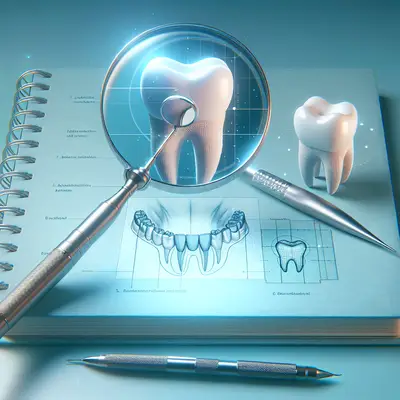
Sophisticated smile design begins with architecture, not shade guides. Rather than focusing only on the teeth in isolation, leading clinicians first evaluate the entire facial canvas: midline, lip mobility, facial symmetry, and even the way your cheeks collapse or lift when you speak and laugh.
This is where concepts like the “golden proportion” and smile arcs are used as references—not rigid rules. The width-to-length ratio of your front teeth, the way their edges follow your lower lip, and the spacing visible when you say certain sounds all influence how harmonious your smile appears in motion, not just in photographs.
For example, slightly lengthening the central incisors can create a more youthful, vertical emphasis that subtly lifts the face visually. Softening the edges and contour of canines can temper a severe or overly dominant look. When performed thoughtfully, these refinements don’t call attention to the teeth; instead, they balance the entire lower third of the face, much like impeccable tailoring refines a silhouette without screaming for notice.
Texture, Translucency, and the Luxury of Natural Imperfection
High-end smile design has quietly moved away from the uniform, overly opaque “celebrity veneer” look. The modern luxury standard is a smile that reads as impeccably maintained, yet unmistakably yours.
Surface texture plays a role here. Microscopic details—subtle vertical ridges, gentle undulations, and naturally varied reflectivity—determine how light interacts with each tooth. Overly polished, glass-smooth veneers can look flat under flash photography or harsh lighting, while thoughtfully micro-textured ceramics refract light in a way that mimics natural enamel.
Translucency at the edges, a gentle gradation of shade from the neck of the tooth to the incisal edge, and even the faintest characterizations can keep the smile within the realm of believable luxury. A highly curated smile today often includes minuscule “imperfections”: a barely perceptible asymmetry between lateral incisors or a fractionally softened edge to avoid a sterile, manufactured appearance. The result feels quietly expensive—refined, but never artificial.
The Lifestyle Blueprint: Designing for How You Actually Live
An elevated smile design consult should feel less like a color-matching exercise and more like a lifestyle interview. Your profession, speaking demands, travel patterns, wellness routines, and even your wardrobe palette influence the ideal aesthetic and functional choices.
For individuals frequently on stage, on camera, or under event lighting, the brightness and reflective qualities of restorations may be adjusted so they photograph crisply without appearing blinding in person. Those who speak extensively may need meticulous attention to phonetics—ensuring the contours of front teeth and palatal surfaces do not subtly alter pronunciation or create new lisps.
Bruxism (clenching or grinding), high-intensity fitness routines, or stress-heavy careers may call for stronger materials, protective night guards, or minimally invasive designs that preserve more natural structure. A heavy espresso habit or frequent red wine tasting may inform recommendations on shade selection and maintenance plans.
When these factors are integrated early, the makeover ceases to be a purely aesthetic event and instead becomes a bespoke solution that anticipates how your smile will realistically be used—daily, publicly, and long-term.
The Photography-First Approach: Designing for Reality and the Lens
In the premium tier of dentistry, photography is not an afterthought; it is the design language. High-resolution images taken from multiple angles—full face at rest, full smile, profile, and close-up intraoral shots—allow your clinician to study how your smile behaves in motion and in different emotional states.
These images guide digital smile design software, wax-ups, and mock-ups. But beyond technology, they enable a deeper conversation about how you wish to be perceived: sharper, more assertive contours for a bolder, executive presence; softer line angles and more rounded incisal edges for a gentler, more approachable impression.
Photographic analysis also reveals subtle asymmetries in lip movement or head posture that influence how the smile will present in real life and in media. Someone who consistently tilts their head in photos may expose more of one side of the smile; a considered design accounts for this so that every “good side” photograph feels naturally balanced. This photo-first mindset ensures that your investment holds up on Zoom, in headshots, and in candid moments—not just under clinical lighting.
The Long-View Philosophy: Designing for Decades, Not Just Debuts
Truly elevated smile design is conservative in the most luxurious sense of the word: it strives to protect what nature provided while enhancing it with clinical precision. This means a focus on minimally invasive techniques, robust planning, and a clear maintenance philosophy.
Before porcelain or composite ever enter the conversation, leading clinicians evaluate gum health, bite stability, and underlying structural integrity. Gum contouring may be refined to frame the teeth elegantly, but always with respect for periodontal health. Old restorations might be replaced not merely for aesthetics, but to create a unified, structurally coherent foundation.
Long-term planning considers how your smile will age with you. Slightly softer shapes and adaptable shades can age more gracefully than ultra-opaque, extremely white restorations that may feel discordant as facial tissues naturally change. Maintenance protocols—such as professionally guided whitening, night guards, precise cleaning intervals, and occasional polish of restorations—are part of the original design, not an afterthought.
This long-view approach ensures your smile remains quietly impeccable for years, rather than peaking dramatically and deteriorating prematurely. The true luxury is a smile that continues to look “effortlessly right” as the rest of your life evolves.
Conclusion
A sophisticated smile makeover is not about chasing an abstract ideal of perfection; it is about curating a visual signature that feels aligned with who you are and how you live. When architecture, texture, lifestyle, photography, and longevity are considered together, the result is a smile that does more than look beautiful—it communicates confidence, discernment, and a respect for detail.
For those contemplating their next aesthetic investment, treating smile design as a collaboration rather than a procedure unlocks an entirely different level of result: one that is as intentional as it is elegant, and as enduring as it is photogenic.
Sources
- American Academy of Cosmetic Dentistry – What Is Cosmetic Dentistry? - Overview of cosmetic dentistry principles and procedures, including modern approaches to smile enhancement
- Mayo Clinic – Veneers - Evidence-based explanation of veneer treatment, risks, and long-term considerations
- National Institute of Dental and Craniofacial Research – Oral Health Topics - Authoritative information on oral health, structure, and maintenance that underpins safe smile design
- Harvard School of Dental Medicine – Research & Resources - Insight into current dental research, including materials, minimally invasive approaches, and long-term oral health outcomes
- UCLA School of Dentistry – Esthetic Dentistry Overview - Academic perspective on esthetic dentistry, including treatment planning and facially driven smile design principles
Key Takeaway
The most important thing to remember from this article is that this information can change how you think about Smile Design.