A truly elevated smile is rarely an accident. It is the quiet outcome of hundreds of micro-decisions—about proportion, texture, color, and even how you wish to be perceived in a room. Contemporary smile design has evolved well beyond “straight and white”; it is now an intimate collaboration between patient, clinician, and technology, where aesthetics and function are meticulously choreographed.
For discerning patients considering a dental makeover, the most powerful advantages lie in the details that are often never discussed in standard consultations. Below, we explore five exclusive insights that can transform a routine cosmetic plan into a genuinely bespoke smile design experience.
The Emotion of Proportion: Designing How Your Smile Feels, Not Just How It Looks
Smile design is frequently described in terms of ratios and measurements—golden proportions, tooth width-to-length, gum display. While these are important, they are only the beginning. A sophisticated approach translates your emotional brief into proportions that feel authentically you.
A smile intended to convey warmth and approachability often favors slightly softer line angles, rounded incisal edges, and a touch more central tooth prominence. A smile designed to project authority and refinement may incorporate crisper edges, more defined embrasures, and a carefully controlled tooth display at rest. Subtle asymmetry can be used intentionally to add character; perfection, when overdone, can appear artificial.
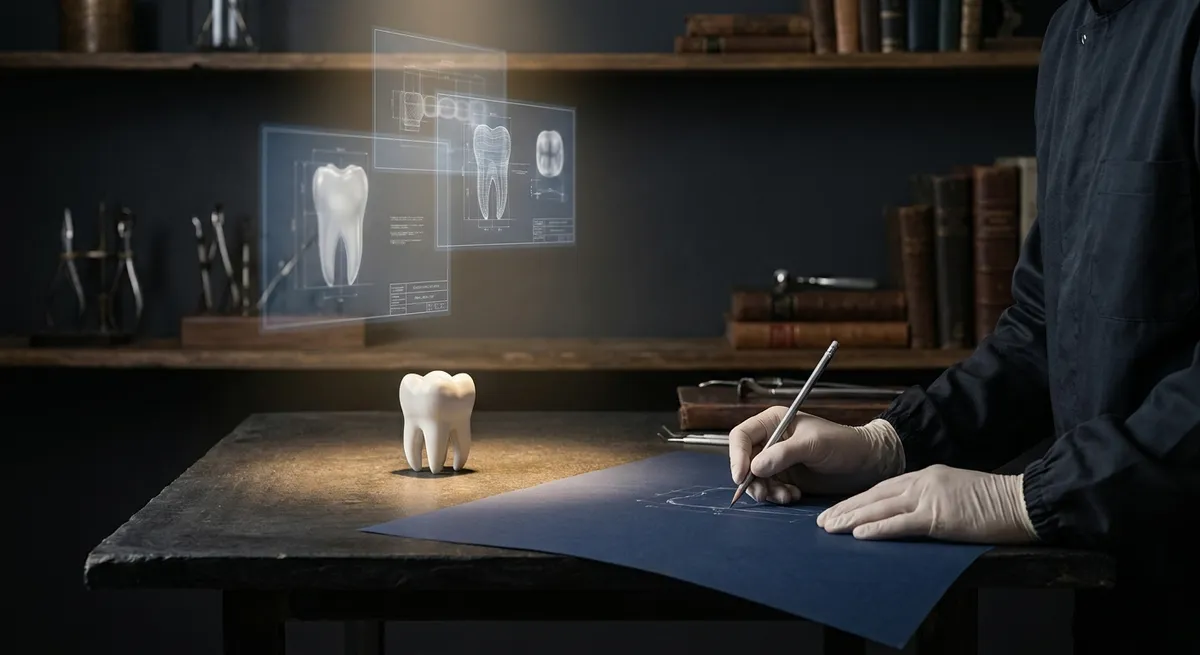
During advanced planning, digital smile design systems allow your clinician to simulate not only tooth shapes, but also how those shapes alter your perceived mood in photos and videos. Ask your provider to explore options that correspond to words you resonate with—composed, luminous, approachable, commanding—and then translate those adjectives into specific design elements. This is where a smile stops being “nice” and starts becoming unmistakably aligned with your personal presence.
Texture, Translucency, and the Luxury of Natural Imperfection
High-end veneers and restorations are not defined by opacity and uniformity; rather, their sophistication lies in tiny, almost invisible irregularities that mimic natural enamel. Under direct lighting, overly opaque, flat ceramics appear lifeless. Custom texture and translucency create depth, softness, and that elusive “real tooth” vitality.
Master ceramists can incorporate:
- Micro-texture: Fine vertical ridges and subtle surface irregularities that catch the light like natural enamel.
- Incisal translucency: A delicate gradient at the biting edge of front teeth that avoids the dense, “block” look.
- Halo effects and opalescence: A barely-there luminous border that enhances brightness without cartoonish whiteness.
- Layered staining: Whisper-light internal tinting to harmonize with your complexion and eye color.
Request a close-up view of trial restorations under different lighting conditions—indoor, daylight, and flash photography. A truly premium result should hold up in all three. The goal is not flawlessness; it’s a deliberate, curated naturalism that reads as your own—just meticulously refined.
Customized Gingival Aesthetics: The Silent Frame of a Luxe Smile
Teeth may be the protagonists, but the gums are the frame—and refined smile design never ignores the frame. Even perfectly shaped teeth can look off-balance if the gingival architecture (the contour and symmetry of your gums) is not aligned with the overall design.
Subtle gum reshaping (often via laser or microsurgical approaches) can:
- Correct uneven gum lines between left and right sides.
- Refine excessive gum display (“gummy smile”) in a controlled, conservative manner.
- Enhance the illusion of longer, more elegant tooth proportions without over-preparing the teeth.
- Improve symmetry in your smile arc—the way the edges of your teeth follow your lower lip.
In more advanced cases, collaboration with a periodontist can elevate results from “cosmetic” to truly architectural, repositioning gum tissue and sometimes even the underlying bone for a harmonious, long-term result. Ask specifically whether your plan includes a gingival contour analysis; sophisticated smile makeovers rarely overlook it.
Movement Before Makeover: Why Subtle Orthodontics Elevates Every Result
For many patients seeking veneers or crowns, it is tempting to bypass orthodontics entirely in favor of faster cosmetic work. In luxury-level smile design, the opposite is often true: minor, strategic movement first can dramatically improve longevity, conservation of tooth structure, and the final aesthetic nuance.
Short-term or aligner-based orthodontics can:
- Align roots and crowns so veneers require minimal reduction of natural tooth.
- Correct crowding and rotations that would otherwise compromise symmetry and contact points.
- Open or close spaces in a controlled way, allowing more ideal tooth proportions in the final design.
- Improve occlusion (the way teeth meet), reducing future risks of chipping, cracking, or veneer failure.
The most elevated treatment plans consider the timeline differently: a few months of measured movement, followed by conservative ceramic refinements, often produces a result that looks more natural, feels more comfortable, and ages more gracefully. Ask your clinician not just, “Can we skip orthodontics?” but, “Would limited orthodontic movement significantly enhance the precision and conservation of this design?”
The Cinematic Test: Designing for Real Life, Not Just the Dental Chair
Many smile makeovers are approved based on static images or a quick mirror glance at the end of a long appointment. In reality, your smile is dynamic: it stretches, softens, speaks, and laughs. Sophisticated smile design anticipates motion, not just stillness.
A truly modern workflow may include:
- Video analysis of your pre-treatment smile as you talk, laugh, and smile at different intensities.
- Mock-up or “test drive” restorations worn over several days or weeks, allowing you to experience your future smile in daily life.
- Phonetic testing to ensure that sounds like “F,” “V,” “S,” and “T” feel natural with new tooth length and position.
- High-resolution photography from various angles under realistic lighting to avoid surprises in candid photos or on camera.
Ask your provider whether they perform video-based smile evaluations or offer provisional aesthetics that you can test in real-world conditions before committing to final ceramics. This “cinematic test” protects you from a smile that only works under operatory lights and ensures that what you receive is not just beautiful but livable, expressive, and entirely your own.
Conclusion
An exceptional smile makeover is less about dramatic transformation and more about intentional refinement. The most luxurious results arise when proportion is tailored to your emotional presence, texture and translucency are customized, gingival architecture is respected as the frame, orthodontic movement is used strategically, and the design is validated in motion—not just in a mirror.
For patients who expect more than a standard cosmetic upgrade, these five insights form a quiet but powerful checklist. When your smile design plan addresses each of these dimensions with care and precision, the result is not only visually impeccable—it feels inevitable, as though you were always meant to look this way.
Sources
- [American Academy of Cosmetic Dentistry – Smile Design Principles](https://aacd.com/smiledesign) – Overview of aesthetic and functional considerations in contemporary smile design
- [Mayo Clinic – Dental Veneers](https://www.mayoclinic.org/tests-procedures/dental-veneers/about/pac-20384696) – Clinical explanation of veneers, indications, and expectations
- [National Institutes of Health (NIH) – Esthetic Smile Perception Study](https://www.ncbi.nlm.nih.gov/pmc/articles/PMC4432608/) – Research on how tooth proportions, gingival display, and symmetry influence perceived attractiveness
- [Harvard School of Dental Medicine – Digital Dentistry and CAD/CAM](https://hsdm.harvard.edu/news/digital-dentistry-and-future-care) – Discussion of digital tools and technologies shaping modern dental treatment planning
- [Cleveland Clinic – Orthodontics for Adults](https://my.clevelandclinic.org/health/treatments/10998-orthodontics-braces-for-adults) – Information on adult orthodontic treatment and its role in comprehensive dental care
Key Takeaway
The most important thing to remember from this article is that this information can change how you think about Smile Design.