A truly exquisite smile does not announce itself with drama; it simply looks “right.” It feels inevitable, as though it has always belonged to you. Behind that effortless effect, however, is a surprisingly intricate world of planning, technology, and micro‑decisions that separate a pleasant outcome from a genuinely transformative one.
For those considering a cosmetic dental makeover, understanding what actually defines a premium result is the difference between a cosmetic upgrade and a curated, long‑term investment in your appearance. The following insights go beyond surface‑level advice and open a window into how refined, high‑end cosmetic dentistry is quietly orchestrated.
Insight 1: The Most Beautiful Smiles Rarely Look “Done”
In elevated cosmetic dentistry, the goal is not perfection—it is plausibility. A luxurious smile should invite second looks, not suspicion.
A seasoned cosmetic dentist studies the characteristics that make your face uniquely yours: the way your upper lip moves when you speak, the asymmetry in your eyes, the natural tilt of your jawline. Rather than forcing a standardized “Hollywood smile,” they design a smile that appears entirely organic to your facial architecture.
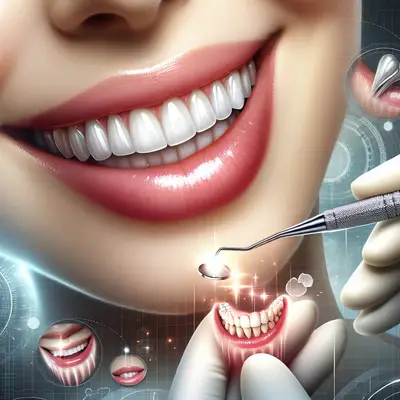
This is why the best veneers do not share a uniform shape, shade, or translucency. Slight variations in tooth length, delicate gradations in color toward the gumline, and subtle texture on the enamel surface all mimic the irregularities of natural teeth. Under soft light, these details prevent that flat, opaque “chiclet” look that instantly reads as artificial.
When you consult with a provider, listen less for promises of “perfect teeth” and more for their language around harmony, restraint, and believability. In premium cosmetic work, the artistry lies not in what is added, but in how convincingly it disappears into you.
Insight 2: Shade Is a Nuanced Strategy, Not a Single Choice
To the untrained eye, tooth color is a simple question of “How white can we go?” In reality, elevated cosmetic dentistry treats shade selection like a multi‑layered design brief.
Modern ceramic materials can incorporate gradients of translucency, warmth, and brightness within a single tooth. The edges of the teeth may be more translucent to mimic natural enamel, while the center carries slightly more opacity for strength and visual presence. Your dentist will also consider undertones—cool, neutral, or warm—based on your skin tone, eye color, and even the jewelry you wear most often.
There is also a strategic conversation about longevity. Extremely bright, cool‑toned shades can look striking under studio lights or in photos, but may appear harsh in ambient daylight as you age or when paired with subtle makeup. Slightly softer, balanced shades often age far more gracefully and look luxurious rather than loud.
During your consultation, ask to see shade choices in different lighting conditions—daylight near a window, indoor ambient light, and under brighter operatory lights. The right shade should feel flattering across all three, not just under the clinical spotlight.
Insight 3: Gum Contours Are the Silent Frame of a Luxe Smile
Top‑tier cosmetic dentistry is as concerned with the gums as it is with the teeth. The pink architecture framing your teeth—the gum contour, height, and symmetry—quietly dictates how polished your final result will appear.
Even beautifully crafted veneers can look “off” if the gumline is uneven or inflamed. In many sophisticated smile makeovers, laser or surgical gum contouring (often called “gingival recontouring” or “gum reshaping”) is performed before or alongside cosmetic work. The goal is to create a balanced, symmetric frame around each tooth—especially the upper front six, which dominate the smile zone.
Subtle adjustments of even 1–2 millimeters in gum height can radically improve the perceived proportions of the teeth, making them look more elegant, elongating the smile, and reducing a “gummy” appearance without looking surgically altered.
A discerning dentist will also evaluate overall gum health—there is nothing luxurious about placing high‑end restorations on a foundation compromised by inflammation or periodontal concerns. Your treatment plan should include stabilization of gum health first, then refinement of gum aesthetics, and only then the final cosmetic restorations.
Insight 4: Digital Planning Is the New Standard of Quiet Precision
The most sophisticated smile transformations today are rarely based on guesswork or a single “before and after” photo. Instead, they are engineered through meticulous digital planning and physical try‑ins long before any permanent changes are made.
Digital smile design software, 3D scans, high‑resolution photography, and sometimes even video are combined to simulate how a proposed smile will look when you speak, laugh, and rest. This planning allows your dentist and ceramist to adjust tooth length, width, and proportion with extraordinary precision.
A refined practice will often provide a “mock‑up” or provisional version of your new smile—either digitally or as temporary restorations—so that you can experience the proposed changes in real life. You may wear these provisionals for a short period, allowing you to assess comfort, speech, lip support, and your emotional response when you see yourself in the mirror.
This phase is where a truly personalized result is crafted: minor adjustments in length, contour, or width can be made before any final porcelain is fabricated. When executed well, this process transforms the procedure from a leap of faith into a controlled, collaborative design journey.
Insight 5: Longevity Depends on How You Live, Not Just What You Paid
Investment‑level cosmetic dentistry is designed to be durable, but no material is immune to lifestyle. The quiet reality: maintenance habits, muscle forces, and daily rituals matter as much as the quality of the porcelain.
If you clench or grind your teeth (even unknowingly at night), your new restorations will be subjected to significant stress. A premium practice will screen for this through exam, imaging, and sometimes bite analysis technology, then prescribe a custom night guard or occlusal guard to protect your investment. This is not an “optional extra”—it is part of responsible long‑term planning.
Your dietary and staining habits also play a quiet role. While porcelain is resistant to staining, natural teeth adjacent to or behind restorations may darken over time, creating contrast. Strategic whitening protocols before treatment, combined with periodic touch‑ups afterward, help maintain a cohesive appearance.
Routine professional cleanings, attention to gum health, and avoiding using your teeth as tools (opening packaging, biting hard objects) are not just generic advice; they are the difference between a smile that looks exquisite for two years and one that looks exquisite for fifteen.
When you meet with a cosmetic dentist, ask not only “How long will this last?” but “What do your most successful long‑term patients do differently?” Their answer will tell you how seriously they treat the life of your restorations beyond the final photo.
Conclusion
A sophisticated smile makeover is not defined by how dramatically it changes your appearance, but by how convincingly it feels like it always belonged to you. The true luxury lies in thoughtful design, disciplined restraint, and an unwavering respect for detail—from gum architecture and shade nuance to digital planning and long‑term protection.
As you explore cosmetic dentistry, look for a provider who speaks the language of harmony rather than hype, who shows you process rather than only outcomes, and who plans for years, not just the reveal day. When science, artistry, and discretion intersect, the result is not simply “nice teeth”—it is a quietly powerful signature of who you are.
Sources
- American Academy of Cosmetic Dentistry (AACD) – What Is Cosmetic Dentistry? – Overview of cosmetic dentistry procedures, materials, and considerations from a leading professional organization.
- Cleveland Clinic – Veneers: Pros, Cons, Procedure, and Care – Evidence‑based explanation of veneer treatment, risks, and maintenance.
- Mayo Clinic – Gum Contouring and Gingival Health – Discusses gum health, periodontal considerations, and how gums affect dental aesthetics.
- Harvard School of Dental Medicine – Digital Dentistry and Emerging Technologies – Insights into how digital tools and planning are reshaping modern dental care.
- National Institute of Dental and Craniofacial Research (NIDCR) – Oral Health Basics – Authoritative resource on foundational oral health, gum disease, and preventive care that underpins cosmetic results.
Key Takeaway
The most important thing to remember from this article is that this information can change how you think about Cosmetic Dentistry.