A modern smile makeover is no longer a single procedure; it is a curated sequence of interventions, each chosen with the precision of a tailor selecting fabric and cut. Patients are not merely asking for “whiter” or “straighter” teeth—they are seeking harmony, longevity, and an experience that feels as considered as the result. In the realm of premium dentistry, the procedures themselves are only the beginning; how they are planned, staged, and refined is what distinguishes a truly elevated outcome.
Below, we explore the contemporary landscape of high‑end dental procedures and share five exclusive, under‑discussed insights that sophisticated patients increasingly expect from a serious smile transformation.
The Modern Smile Makeover Is Built on Digital Diagnostics
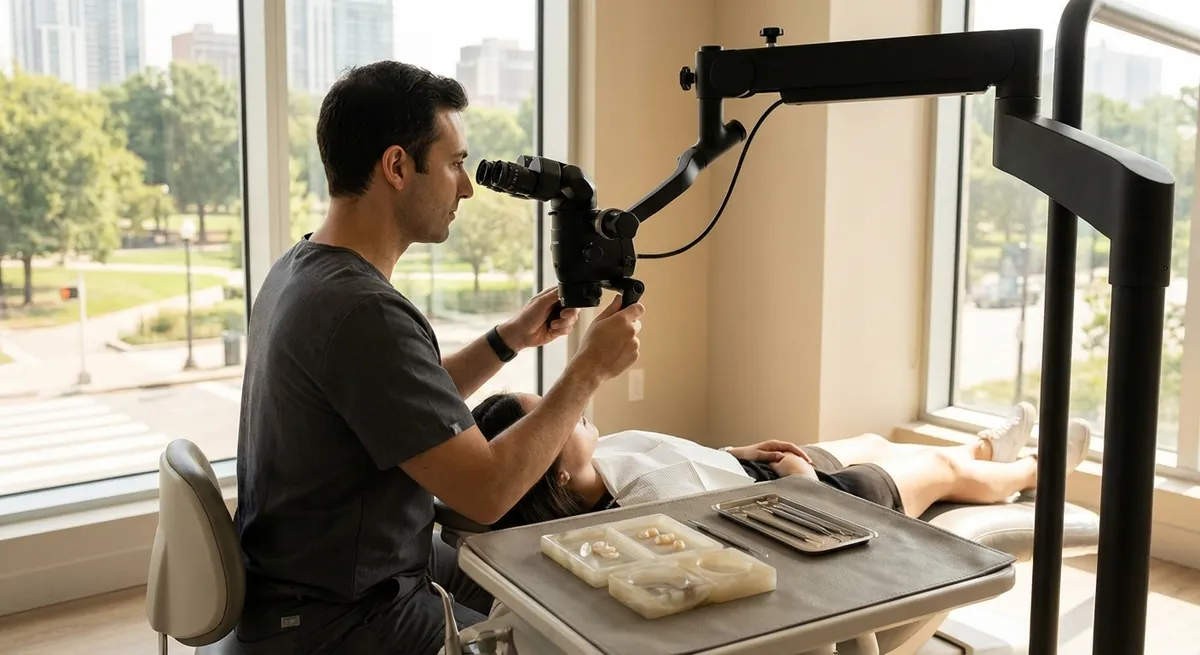
Before veneers are shaped or implants are placed, elite clinics construct a digital ecosystem around your mouth. High‑resolution intraoral scanners, cone beam CT imaging, and facial photography allow your dentist to work with a three‑dimensional portrait rather than guesswork.
This digital foundation means that cosmetic and functional decisions—where your teeth sit in relation to your lips, how they reflect light, how they affect your bite—are all tested virtually before any irreversible step is taken. The “trial smile” may be previewed on screen, transferred into a 3D‑printed mock‑up, and refined in real time with your feedback.
For patients, this translates into a quieter, more assured process: fewer surprises, more control, and a sense that each procedure—orthodontics, bonding, veneers, implants—is part of a coherent story. When executed at this level, dentistry feels closer to bespoke design than repair, and your chair time is devoted to precise implementation rather than improvisation.
Exclusive Insight #1: The most successful smile makeovers now begin with a digital rehearsal, not a procedure. If your treatment plan doesn’t include digital planning, you may not be seeing the full potential of what’s possible.
Veneers, Bonding, and Minimal‑Prep Aesthetics Reimagined
Porcelain veneers and composite bonding remain the cornerstone procedures of cosmetic dentistry, but in premium practices the philosophy has shifted from “cover and correct” to “preserve and enhance.” Minimal‑prep or even no‑prep veneers, when appropriate, respect the natural tooth while still allowing for remarkable refinement of color, shape, and alignment.
Advanced ceramics can be layered to mimic the translucency and texture of natural enamel, avoiding the overly opaque, “done” look that often betrays cosmetic work. Composite bonding, once seen as a purely utilitarian fix, has become far more sophisticated; in skilled hands, it can subtly resculpt edges, close micro‑gaps, and correct minor asymmetries without committing to more aggressive alteration.
The artistry is in restraint. Top clinicians are as proud of what they choose not to do—how much enamel they preserve, how subtly they adjust—as they are of the dramatic “before and after” images.
Exclusive Insight #2: Ask how much of your natural enamel will be preserved. In high‑end cosmetic work, conservation is a marker of excellence, not compromise.
Implants and Restorations as Invisible Architecture
For patients missing teeth or facing extractions, dental implants are frequently the most stable, long‑term solution. At the elevated end of the spectrum, implants are planned as invisible architecture: engineered to support not just a single crown, but the entire aesthetic and functional balance of the mouth.
Three elements distinguish premium implant work:
- Bone and tissue management: Guided bone regeneration and soft‑tissue sculpting are used to support natural contours around the implant, preventing the “flat” or receding gumline that can reveal underlying hardware.
- Prosthetic design: Custom abutments and carefully layered crowns ensure that the transition from crown to gum is nearly imperceptible, even at close range.
- Occlusal engineering: Your bite is meticulously studied so that implants integrate seamlessly into chewing patterns, reducing the risk of fracture, wear, or TMJ irritation.
When handled at this level, implants don’t announce themselves. They simply restore what appears to be a naturally complete, stable smile—one that feels as secure as it looks.
Exclusive Insight #3: Truly premium implant dentistry treats the gumline and bone as carefully as the tooth itself. The “pink aesthetics” are as decisive as the ceramic crown in achieving a believable result.
Orthodontics and Aligners: Subtle Correction, Strategic Timing
Straightening teeth is no longer an adolescence‑only endeavor, nor is it limited to metal brackets. Clear aligners, lingual braces, and hybrid systems allow adults to pursue alignment with discretion. But in a refined makeover, orthodontics is not just about straight teeth; it is used strategically to create better foundations for other procedures.
A slight rotation corrected before veneers, or a mild crowding resolved pre‑implant, can dramatically reduce how much enamel must be removed or how aggressive the restorations must be. In some cases, carefully planned orthodontics can render more invasive cosmetic procedures unnecessary.
The timeline is just as crucial. Experienced clinicians may stage your orthodontic treatment with whitening, bonding, or implant surgery so that healing and adjustments happen in concert, not conflict. The result is a smoother journey and a more cohesive final aesthetic.
Exclusive Insight #4: Orthodontics, when integrated intelligently, can make your makeover more conservative, more natural‑looking, and more stable over time. It’s not just an “extra”—it’s often the quiet hero of the treatment plan.
The Often‑Overlooked Luxury: Stability, Comfort, and Longevity
The true test of a premium dental procedure is not how it looks the day it is finished, but how gracefully it ages. This is where occlusion (your bite), material selection, and aftercare protocols become defining luxuries rather than technical footnotes.
Elite practices invest serious time in adjusting the bite once restorations are placed—using articulating paper, digital scanners, and sometimes night‑guard designs—to ensure that forces are evenly distributed. This protects veneers from chipping, implants from overload, and natural teeth from micro‑fractures.
Equally important is the maintenance architecture built around your new smile: customized hygiene schedules, guidance on safe whitening touch‑ups, splints or guards for clenchers and grinders, and periodic photographic or scan‑based reviews to monitor subtle changes.
Exclusive Insight #5: The most luxurious aspect of modern dental procedures is planned longevity. A well‑designed smile should not just photograph beautifully now; it should remain harmonious, functional, and comfortable a decade from today.
Conclusion
A premium smile makeover is less about any single procedure and more about orchestration. Digital diagnostics, conservative aesthetics, architectural implant planning, strategically timed orthodontics, and an unwavering focus on long‑term stability come together to create results that feel effortless—precisely because they are anything but.
For patients who value refinement over drama, the goal is not a “new” smile that looks obvious, but a quietly transformed one that feels inevitable—like the version of your teeth you were always meant to have. The right dental procedures, chosen and sequenced with intention, make that vision not just possible, but predictably achievable.
Sources
- American Dental Association – Veneers – Overview of porcelain veneers, indications, and considerations
- Mayo Clinic – Dental Implants – Explanation of implant procedures, risks, and benefits
- Cleveland Clinic – Orthodontics for Adults – Detailed look at adult orthodontic options and treatment goals
- Columbia University College of Dental Medicine – Digital Dentistry – Discussion of digital technologies and their role in modern treatment planning
- National Institute of Dental and Craniofacial Research – Oral Health and Well-Being – Data and context on the functional and quality‑of‑life impact of oral health
Key Takeaway
The most important thing to remember from this article is that this information can change how you think about Dental Procedures.