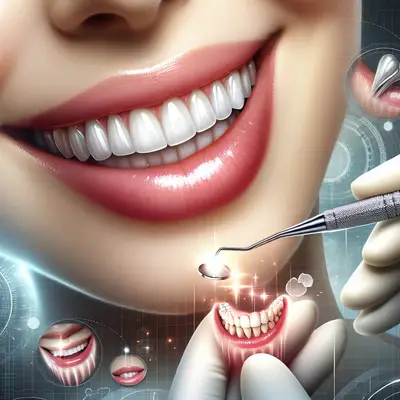
A truly elevated smile rarely announces itself. It doesn’t scream “veneers” or “implants.” It simply feels inevitable—quietly aligned with your features, your lifestyle, and your standards. Modern cosmetic dentistry, at its most sophisticated, is less about transformation and more about curation: a considered upgrade that looks like you on your best day, every day.
This is where discerning patients are now directing their attention—toward subtle, strategic enhancements backed by meticulous planning and advanced technology. Below are five exclusive, often overlooked insights that can help you navigate a high-end smile makeover with clarity and confidence.
1. Your “Dental Signature” Matters More Than a Perfect Smile
The most refined cosmetic dentistry does not chase some generic ideal of perfection; it preserves and elevates your dental signature—those subtle characteristics that make your smile distinctly yours.
Your dental signature includes:
- The gentle asymmetries of your front teeth
- The way your teeth follow your lower lip when you speak
- The tiny translucencies at the edges of youthful incisors
- The unique relationship between your tooth color, lip tone, and skin undertone
Sophisticated clinicians now design around who you are, not just what’s “ideal” on a chart. That might mean maintaining a slight natural rotation on a lateral incisor because it gives your smile character, or intentionally preserving microscopic surface texture instead of polishing teeth into sterile, flat “TV teeth.”
When you consult with a cosmetic dentist, pay attention to how they speak about your existing smile. Do they immediately offer a complete overhaul, or do they identify elements worth preserving? The latter is a hallmark of a more refined, bespoke approach.
2. Shade Is No Longer About “Whiter,” but About “Warmer vs. Cooler”
For many years, whitening was simply about going lighter on a shade tab. Today’s premium cosmetic dentistry treats shade the way haute couture treats fabric color: in relation to undertones, context, and lighting.
Two critical shifts are happening:
- Undertone precision: High-end dentists now evaluate whether your skin reads warmer (golden, peach) or cooler (rosy, olive) and select ceramic or composite shades with matching undertones. An ultra-white, cool-toned veneer may look impressive in studio lighting but harsh under natural daylight on warmer skin.
- Layered translucency: Instead of a flat, opaque white, advanced ceramics are built in layers—mimicking the way natural enamel allows light to pass through and reflect off the underlying dentin. This creates a luminous, “lit-from-within” effect rather than a stark, artificial one.
If you are pursuing veneers or crowns, ask to see shade options under different lighting conditions and from multiple angles. The right color is not simply “BL1” or “the whitest option”—it’s the shade that remains believable in your real life: at brunch on a terrace, in office lighting, and in evening photographs with flash.
3. Elite Results Start with How Your Teeth Function, Not How They Look
Behind every seamless aesthetic result is an unglamorous word: occlusion—how your upper and lower teeth meet when you bite, speak, and move your jaw. Sophisticated cosmetic dentistry understands that a beautiful smile built on a compromised bite is a short-lived illusion.
Neglecting function can lead to:
- Microcracks in veneers from improper bite forces
- Chronic jaw tension or headaches
- Chipping or fracturing of natural teeth and restorations
- Recession and premature wear that age the smile
Modern premium practices increasingly collaborate across disciplines—prosthodontists, orthodontists, periodontists—to quietly correct bite discrepancies before or alongside cosmetic work. This might involve subtle clear aligner therapy, minor reshaping of certain teeth, or carefully adjusting vertical dimensions (how “tall” your bite is) so that your new smile not only looks exquisite but feels relaxed and sustainable.
When evaluating providers, inquire how they assess occlusion and function. If the consultation focuses only on shape, shade, and number of veneers, you may be missing the foundation that keeps a luxury result stable over time.
4. Time Is a Design Tool: The Power of Trial Smiles and “Test-Driving” Your Look
In the luxury fashion world, samples are tried, tailored, and revised. High-level cosmetic dentistry now offers something comparable: the ability to “test-drive” your future smile before committing to permanent changes.
This happens through:
- Digital smile design simulations that preview potential results on photographs or 3D scans
- Mock-up “try-ins” where temporary material is placed on your existing teeth to approximate new shapes and lengths
- Provisional restorations that you wear for days or weeks to experience your smile in real life—speaking, eating, and being photographed
These provisional stages are not mere formalities; they are intentional design tools. They allow you to refine details such as:
- Tooth length when your lips are at rest (critical for a youthful but not exaggerated look)
- How much incisor edge shows when you speak or laugh
- Whether the new proportions feel authentic to your personality—understated, bold, or somewhere in between
Patients who invest in this iterative process often end up with results that feel uncannily “right,” precisely because they’ve lived in a version of their new smile and fine-tuned it before the final ceramics are created.
5. Maintenance Is the New Luxury: How Refined Smiles Stay Effortless
A sophisticated smile makeover is not meant to age like a trend; it’s meant to age like a well-chosen watch or a tailored coat—gracefully, quietly, and with minimal fuss. The secret is that true luxury in cosmetic dentistry lies in how little your new smile demands from you once the work is complete.
Thoughtful planning can mean:
- Selecting materials that resist staining if you enjoy coffee, tea, or red wine
- Designing margins (where restorations meet the gums) that are easy to clean and gentle on periodontal health
- Creating restorations that respect your natural bite forces, reducing the need for frequent repairs
- Providing a tailored nightguard if you clench or grind, protecting both teeth and jaw joints
From your side, refined maintenance looks like discreet rituals: custom night protection, professionally guided home care, periodic polishing—not dramatic interventions. The goal is that your smile never looks “freshly done” or “just updated”; it simply appears consistently well-kept, year after year.
Ask your dentist not only how they will create your new smile, but how they envision it five, ten, and fifteen years from now. A truly premium treatment plan is one that anticipates the future and makes “effortless” its central design principle.
Conclusion
The most compelling cosmetic dentistry today is not about chasing extremes; it’s about orchestrating quiet, deliberate refinements that align with your features, your habits, and your ambitions. Your smile can be brighter, more balanced, and more photogenic without ever looking “done.”
When you seek a dental makeover, look beyond before-and-after images. Ask how your dentist will honor your dental signature, refine shade with nuance, protect your bite, leverage provisional design, and plan for low-maintenance longevity. That is where cosmetic dentistry transcends procedure—and becomes an invisible upgrade to how you move through the world.
Sources
- [American Academy of Cosmetic Dentistry – What Is Cosmetic Dentistry?](https://aacd.com/what_is_cosmetic_dentistry) - Overview of cosmetic procedures, materials, and aesthetic considerations used by accredited cosmetic dentists
- [Mayo Clinic – Dental Veneers](https://www.mayoclinic.org/tests-procedures/dental-veneers/about/pac-20384980) - Explains indications, benefits, risks, and long-term considerations for veneers
- [Cleveland Clinic – Malocclusion (Misaligned Bite)](https://my.clevelandclinic.org/health/diseases/21260-malocclusion) - Details how bite alignment affects function, wear, and dental health, underscoring its importance in cosmetic planning
- [Harvard School of Dental Medicine – Esthetic Dentistry and Oral Health](https://hsdm.harvard.edu/news/esthetic-dentistry-and-oral-health) - Discusses the intersection of aesthetics, function, and oral health in modern dental care
- [National Institutes of Health (NIH) – Ceramic Materials in Dentistry](https://www.ncbi.nlm.nih.gov/pmc/articles/PMC6519355/) - Research article reviewing modern ceramic materials, translucency, and durability relevant to high-end cosmetic restorations
Key Takeaway
The most important thing to remember from this article is that this information can change how you think about Cosmetic Dentistry.