A refined smile makeover is never just “before and after.” In the most considered cases, it is an almost invisible negotiation between facial structure, personality, lifestyle, and long‑term oral health. The result should feel inevitable—like the smile you were always meant to have, simply brought into focus.
This is where contemporary smile design diverges from generic cosmetic dentistry. It’s less about perfect teeth and more about orchestrating proportion, light, and function with almost couture-level precision. Below, five exclusive insights reveal what discerning patients now expect from a world‑class smile transformation—and what you should quietly insist on before you let anyone redesign your face.
1. Facial Flow Matters More Than “Perfect” Teeth
A sophisticated smile design begins not with your teeth, but with your entire face in motion. How your lips lift, how your cheeks support expression, how your chin and jawline frame the lower third of your face—all of it dictates what will actually look natural once treatment is complete.
Advanced clinicians use facially driven treatment planning:
- They assess the midline of your face (nose, philtrum, chin) and how closely your dental midline should align—or intentionally deviate—for a harmonious result.
- They examine your smile arc: whether your upper teeth follow the contour of your lower lip or fight against it.
- They look at tooth display at rest (how much tooth shows when your face is relaxed), which changes subtly with age and can make or break a youthful yet refined look.
- They consider lip mobility and smile width, ensuring any enhancements won’t disappear in a narrow “corridor” when you laugh.
The most elevated outcomes don’t chase textbook symmetry; they curate balance. A slightly off‑center midline or a tiny asymmetry in incisor length can give character and authenticity, as long as it follows your natural facial flow.
2. Texture, Translucency, and Color Layering Are the New Luxury
In luxury smile work, color is never just “shade A1” or “B1.” It is a composition. High‑end ceramic artistry leverages translucency, micro‑texture, and internal color gradients to move beyond the flat, opaque veneers of the past.
An elite ceramist will consider:
- Enamel translucency at the edge: Natural teeth have a gentle halo or translucency near the incisal edge. Too opaque, and veneers look dense and artificial; too translucent, and they can appear gray in certain lighting.
- Subtle surface texture: Minute vertical ridges and microscopic undulations catch light realistically. Over‑polished, overly smooth teeth may photograph well but look suspiciously synthetic in person.
- Multi‑layer staining and glazing: Soft warmth near the gumline, cooler brightness at the edges, and barely perceptible internal characterizations mimic the way real enamel ages and reflects light.
- Shade in different environments: A conscientious team will evaluate provisional or mock‑up shades in natural daylight, indoor light, and flash photography to prevent the “too white under a camera, too dull in real life” problem.
If you are never shown close‑up photos of the ceramist’s work or given a say in how “glossy versus textured” you want your smile to be, the process is not yet operating at a truly premium level.
3. Digital Smile Design Is Only as Good as the Human Behind It
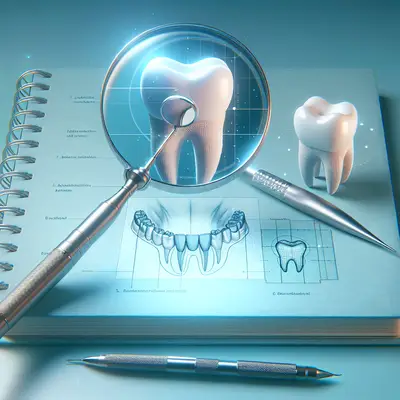
Digital smile design (DSD), 3D scans, and AI‑enhanced simulations are now standard in many upscale practices—but the technology is not the artistry. The software can suggest tooth shapes and arrangements; the clinician decides what actually belongs on your face.
What discerning patients should expect:
- Calibrated photography and video, not just a quick phone snapshot. Your dentist should capture frontal, profile, and smiling videos, then overlay digital planning lines on those images to analyze symmetry, tooth proportion, and lip dynamics.
- Test‑drive versions of your future smile using temporary mock‑ups (often called “trial smiles”) bonded directly onto your teeth or created in a 3D‑printed shell. This allows you to assess not only the look, but phonetics, comfort, and how everything feels in normal conversation.
- Two‑way design dialogue, where you can react to slightly different lengths, shapes, or incisor angles rather than being handed a single, pre‑decided plan.
- Integration with functional analysis, such as bite mapping or digital occlusal evaluation, so that the planned smile will work under daily stress, not just in photos.
Digital tools are most powerful when they help the clinician tell a story about your face and your goals. If the process feels like software presets rather than bespoke refinement, ask more questions before you commit.
4. Your Lifestyle Should Quietly Dictate Design Choices
The most intelligent smile design is deeply personal yet discreetly practical. Your daily habits, career, and long‑term expectations should all influence even the smallest aesthetic decisions.
Subtle but important considerations include:
- Professional environment: A high‑profile executive, on camera or in boardrooms, may need a bright but understated shade that reads “healthy” rather than “Hollywood.” A creative or fashion professional might embrace bolder contours or a higher-value white while still retaining nuance in translucency.
- Oral habits and sports: If you clench, grind, or play contact sports, your dentist may choose reinforced ceramics, slightly adjusted bite contacts, or even a marginally thicker incisal edge to resist chipping—while preserving visual delicacy.
- Maintenance appetite: Some patients embrace regular whitening, professional cleanings every three months, and meticulous home care; others prefer a more forgiving, low‑maintenance plan. This should influence everything from material selection to how close veneers are placed to the gumline, where plaque tends to accumulate.
- Long‑term aging strategy: Artful smile design anticipates how your face will evolve. Slightly lengthening upper incisors, softening angles, or preserving some tooth display at rest can help your smile age gracefully rather than requiring aggressive revisions in a decade.
A true luxury experience feels tailored not only to your face but to the reality of your life—how you speak, eat, travel, and present yourself.
5. The Most Beautiful Smiles Are Engineered for Longevity
Exquisite aesthetics mean little if they deteriorate quickly. In contemporary high‑end dentistry, the most coveted results are those that remain stable and convincing for years, not just the first season after treatment.
Refined longevity planning involves:
- Respect for natural tooth structure: Whenever possible, minimally invasive or no‑prep techniques preserve enamel, providing a stronger bond for restorations and reducing long‑term sensitivity and fracture risk.
- Bite harmony (occlusion): Your upper and lower teeth must meet in a way that distributes forces evenly. Without this, even the most carefully crafted veneers or crowns can chip, debond, or cause jaw discomfort. Sophisticated clinicians may use articulators or digital bite analyzers to fine‑tune contacts.
- Gum health as a design element: The contour and stability of your gingiva frame the teeth. Neglecting periodontal health can lead to recession, dark margins, and asymmetries that undermine even the best ceramic.
- Post‑treatment protection: Custom night guards, smart dietary guidance, and follow‑up polishing and maintenance visits protect your investment and keep surfaces luminous over time.
- A strategic revision philosophy: No restoration is eternal. A responsible plan acknowledges that materials may need refinement or replacement in 10–20 years, and aims to make those future interventions as conservative and seamless as possible.
The true marker of a premium smile design is not that it looks spectacular when you leave the chair—it’s that, with thoughtful maintenance, it still looks like naturally excellent genetics years later.
Conclusion
A sophisticated smile makeover is less about chasing an abstract ideal and more about curating a version of your own features that feels quietly inevitable. When facial flow guides the plan, when texture and translucency are treated as design tools, when technology is tempered by artistry, and when your lifestyle and long‑term health are embedded in every decision, the result stops looking like “cosmetic dentistry” and starts reading as you—only more refined.
If you’re considering a transformation, insist on this level of nuance. Ask to see how your face, not just your teeth, is being studied. Request a trial smile. Talk openly about your career, habits, and future plans. The best clinicians will welcome that conversation—because in modern smile design, your story is the most important material they work with.
Sources
- American Academy of Cosmetic Dentistry – Guide to Cosmetic Dentistry Procedures – Overview of contemporary cosmetic options and principles of smile enhancement
- Mayo Clinic – Veneers: What to Know – Evidence‑based explanation of veneer treatment, risks, and longevity
- Harvard School of Dental Medicine – Esthetic Dentistry and the Smile – Discussion of esthetic considerations and the role of facial analysis in smile improvement
- National Institutes of Health (NIH) – The Role of Digital Smile Design in Cosmetic Dentistry – Research article examining digital smile design and planning concepts
- American Dental Association – Occlusion and TMD Resources – Information on bite function and its importance in long‑term oral health and restorations
Key Takeaway
The most important thing to remember from this article is that this information can change how you think about Smile Design.