A truly beautiful smile rarely announces itself; it simply feels inevitable—effortless, proportionate, and quietly confident. Today’s cosmetic dentistry is less about dramatic transformation and more about intelligent refinement: subtle adjustments in shape, shade, and symmetry that make your entire face look more composed. For those seeking a dental makeover that reads “naturally impeccable” rather than “new teeth,” understanding the nuances behind contemporary treatment is essential.
Below, we explore five exclusive insights that elevate cosmetic dentistry from routine enhancement to modern aesthetic craft.
Redefining “Perfect”: Why Micro‑Imperfect Smiles Photograph Better
The most compelling smiles are not mathematically perfect; they are harmoniously imperfect.
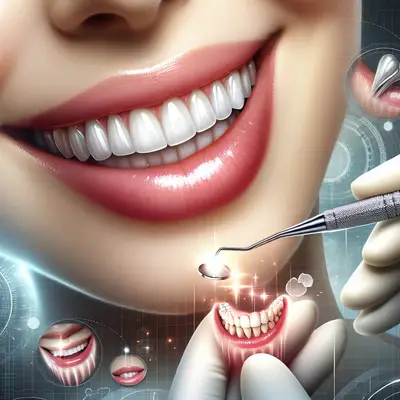
Overly uniform veneers—identical in length, width, and brightness—can look flat on camera and oddly artificial in person. Modern cosmetic dentistry increasingly prioritizes “micro‑imperfections”: delicately varied incisal edges, minimal asymmetry between lateral incisors, and tiny textural differences in the enamel surface. These details break up light in a way that mimics natural teeth, making your smile more photogenic and less reflective of a “template” look.
A discerning cosmetic dentist will often resist the urge to over‑polish. Instead, they may preserve or recreate faint vertical ridges, a whisper of translucency at the edges, and slight gradations in colour near the gum line. The result is a smile that withstands close scrutiny—from 4K cameras to intimate conversation—because it doesn’t appear mechanically produced. It feels lived-in, subtly individualized, and quietly luxurious.
Colour as Couture: Custom Shades Beyond “Hollywood White”
Shade choice is where premium cosmetic dentistry diverges most from mass‑market makeovers.
The brightest possible “white” is not necessarily the most elegant. Ultra‑light shades can overpower fair complexions, clash with deeper skin tones, or make lips appear muted. Instead, leading clinicians now treat tooth colour as a curated palette, blending brightness, warmth, and translucency to complement your skin undertone, eye colour, and even how you typically wear your makeup.
Rather than selecting from a basic shade tab, advanced practices may use multi‑layered ceramics with gradations: slightly deeper at the gum line, progressively brighter toward the edges, with controlled translucency at the incisal tips. For some, a slightly warmer white with a hint of cream or champagne undertone appears more refined and “expensive” than stark blue‑white. The objective is not whiteness for its own sake, but a shade that looks luminous under natural daylight, studio lighting, and evening interiors—without ever feeling abrasive or artificial.
The Power of Proportion: How Your Smile Shapes Your Lower Face
A sophisticated smile makeover is as much about structure as it is about surfaces.
Teeth do not exist in isolation; they help define the vertical dimension of your face, the support of your lips, and even the appearance of your jawline. Worn, short, or collapsed teeth can contribute to fine lines around the mouth, a slightly sunken midface, and an aged profile. By lengthening or recontouring teeth thoughtfully—often through veneers, crowns, or selective bonding—a skilled cosmetic dentist can subtly restore facial height and lip support.
This is where cosmetic dentistry intersects with facial aesthetics. Correcting gum levels, adjusting the “smile arc” (the way the edges of your upper teeth follow your lower lip), and refining how your back teeth meet can provide a gentle lift effect without surgery or injectables. The aim is not to change your features, but to let them sit in better balance: lips that look naturally fuller, a smile line that complements your cheekbones, and a lower face that appears quietly more youthful.
Texture, Gloss, and Light: The Underrated Luxury Details
Two sets of veneers can share the same shape and shade yet live in completely different aesthetic worlds because of surface detail.
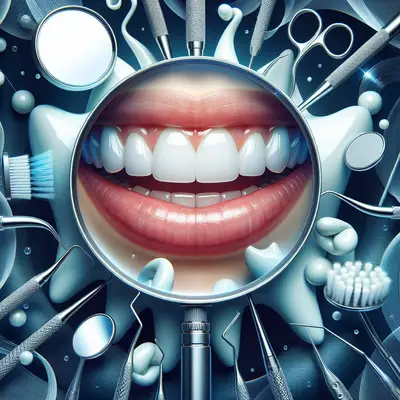
High‑end ceramic work is defined by its relationship with light. Micro‑texture—those almost imperceptible grooves and undulations present in natural enamel—allows teeth to catch light softly rather than glaringly. Over‑polished ceramics can look glassy in photos and under harsh lighting, betraying their artificial origin. In contrast, meticulously finished ceramics offer a controlled, satin‑like gloss that reads as “naturally immaculate” rather than “newly installed.”
Advanced cosmetic dentists and master ceramists will often:
- Vary surface texture subtly from tooth to tooth
- Adjust translucency at the edges to avoid a flat, opaque look
- Introduce minimal, carefully placed characterizations that mimic real enamel
These refinements differentiate a high‑calibre smile makeover from a standard one. They’re not immediately obvious, but they are unmistakably felt—especially in candid photos, video, and real‑life interactions.
Longevity as a Luxury: Designing a Smile to Age Gracefully
True luxury in cosmetic dentistry is not just how your smile looks on day one, but how it matures with you.
A refined treatment plan considers how your teeth, gums, and bite will behave over 5, 10, even 15 years. Overly aggressive reduction of tooth structure, compromised gum health, or a bite that is not meticulously balanced may lead to chipping, sensitivity, or recession—issues that undermine both aesthetics and comfort. Contemporary approaches favour minimally invasive techniques—such as additive veneers, enamel-preserving bonding, and guided whitening—combined with careful occlusal planning to reduce stress on teeth and restorations.
A premium practice will also choreograph your maintenance: bespoke night guards if indicated, strategic professional cleanings, periodic polishing of restorations, and thoughtful updates to whitening so your natural teeth and ceramics remain visually synchronized. The goal is not a static, frozen smile, but one that ages in step with your face—retaining clarity, balance, and integrity without looking “stuck” in a particular decade.
Conclusion
A sophisticated smile makeover is less about chasing an idealized image and more about quiet alignment: between your features, your lifestyle, and your personal sense of refinement. When colour is curated like couture, proportions are planned with facial architecture in mind, and surface details are treated as seriously as any luxury finish, cosmetic dentistry becomes something far more elevated than “fixing teeth.”
For those considering a dental transformation, the true differentiator lies in nuance. Seek a clinician who talks not just about whitening and veneers, but about light, texture, facial balance, and long‑term behaviour. That is where a smile stops looking “done” and starts feeling inevitable—calmly confident, discreetly luxurious, and entirely your own.
Sources
- American Academy of Cosmetic Dentistry – What Is Cosmetic Dentistry? – Overview of cosmetic procedures, materials, and aesthetic considerations
- Mayo Clinic – Veneers: What to Expect – Explains veneer procedures, risks, and longevity factors
- American Dental Association – Whitening: Tips and Considerations – Evidence‑based guidance on tooth whitening and shade selection
- Columbia University College of Dental Medicine – Occlusion and Bite – Describes the role of bite and occlusion in comfort and restoration success
- National Institutes of Health (NIH) – Porcelain Veneers: Clinical Considerations – Research-based discussion of ceramic veneers, minimally invasive approaches, and long‑term outcomes
Key Takeaway
The most important thing to remember from this article is that this information can change how you think about Cosmetic Dentistry.