In contemporary aesthetics, the most compelling smiles are rarely the brightest or the straightest—they are the most thoughtfully composed. Smile design has evolved from basic cosmetic enhancement into a nuanced discipline that considers facial structure, personality, lifestyle, and even the way you move when you speak. For those contemplating a dental makeover, the difference between “nice” and unforgettable often lies in subtleties that never make it onto a treatment menu.
Below, we explore how modern smile design is quietly reshaping expectations, and share five exclusive insights that discerning patients increasingly insist upon.
Beyond Symmetry: Designing for Dynamic Expression
Classic smile design once focused almost obsessively on symmetry and straightness, as if the ideal were a still photograph. But your smile is not a static object—it is a moving expression. Contemporary clinicians now pay equal attention to how teeth, lips, and cheeks behave when you talk, laugh, and even pause between words.
This dynamic approach may mean intentionally preserving a tiny asymmetry in a front tooth because it animates the face and keeps the result from feeling “manufactured.” It might involve adjusting incisal (biting edge) lengths to complement your lip curvature in motion, rather than relying solely on textbook proportions. For many patients, video analysis and slow-motion recordings are now part of the planning process, ensuring that the smile feels as natural in conversation as it does in a mirror. The most refined results are not merely beautiful—they are believable in every frame of your daily life.
The Language of Proportions: Subtle Ratios, Striking Impact
While popular culture often references the “golden ratio,” high-level smile design uses a more nuanced vocabulary of proportions. Teeth are evaluated not just individually, but as a visual ensemble framed by your midline, nose, chin, and eyes. Slight adjustments in tooth width can visually narrow a broader face; refined contouring at the corners of the smile can soften a strong jawline without altering facial structure.
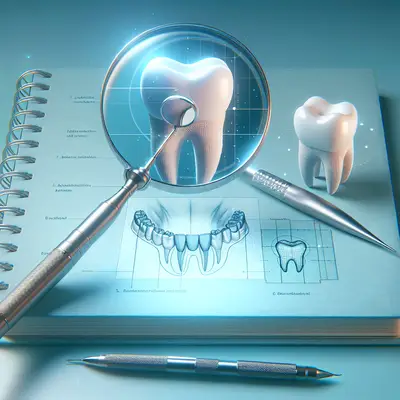
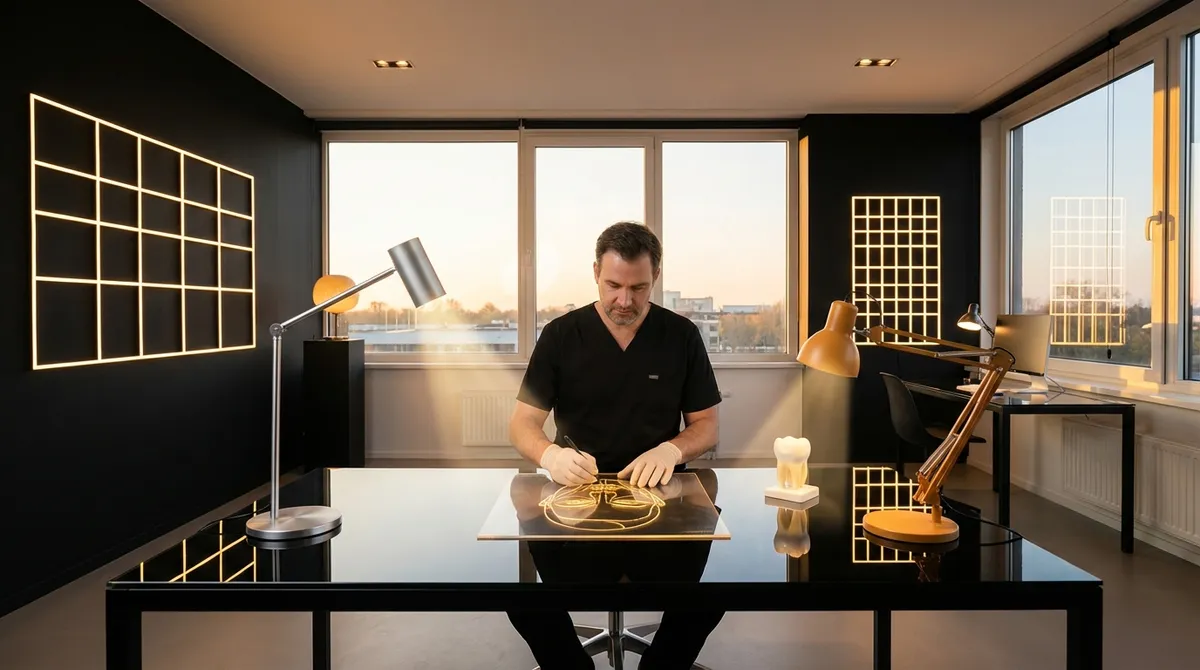
Rather than imposing a one-size-fits-all template, advanced practitioners map out the “visual weight” of each tooth, determining whether the central incisors should be more commanding or delicately understated. They may employ digital smile design software to layer proposed changes over photographs, allowing for microscopic refinements before any treatment begins. This geometric precision is what separates a generically “white and straight” smile from one that feels intrinsically yours.
Texture, Translucency, and the Art of Realism
For those familiar with veneers only from social media, the idea of ultra-smooth, reflective teeth might seem aspirational. In reality, natural enamel has depth and character: fine surface texture, gentle translucency at the edges, and delicate shifts in opacity from neck to tip. High-caliber smile design now insists on recreating this complexity rather than erasing it.
Master ceramists will often add subtle, almost imperceptible irregularities—soft vertical ridges, micro-texture, and carefully calibrated translucency—so restorations interact with light the way natural teeth do. This interplay matters under boardroom lighting as much as it does in flash photography. Patients seeking truly premium results increasingly ask to review not only the proposed shape and shade, but also the surface finish and light behavior of their restorations. The outcome is not simply “perfect teeth,” but enamel that appears to have always belonged to you, at its very best.
Time as a Design Element: Planning for Aging with Intention
A sophisticated smile makeover does not only ask, “How will this look next month?” but, “How will this look ten years from now?” Aging influences gum contours, lip support, facial volume, and tooth wear. The most considered smile designs are calibrated to age gracefully, rather than demanding constant correction.
This might mean choosing slightly softer incisal shapes to anticipate natural wear, or selecting ceramic materials that balance strength with enamel-like wear patterns. It can also involve collaborative planning with dermatologists or facial plastic surgeons to ensure that dental changes harmonize with existing or future facial treatments. For patients who travel frequently or maintain demanding careers, clinicians may stage treatment in a way that minimizes long-term maintenance yet preserves aesthetic excellence. Time becomes an essential design parameter—quietly influencing every clinical decision.
Personal Identity as a Design Brief
Perhaps the most exclusive insight in modern smile design is that your personality is not an afterthought; it is the design brief. An executive accustomed to high-stakes negotiations may prefer a smile that reads decisive and composed, with slightly squarer central incisors and defined line angles. A creative professional might lean towards softer contours and a whisper of playful asymmetry, conveying approachability and warmth.
During consultation, leading practitioners now explore not only medical history, but lifestyle: how you dress, where you socialize, your comfort with visibility, and the kind of first impression you wish to make. The final smile is then crafted as an extension of that identity, not a departure from it. For many patients, digital mock-ups or provisional (temporary) restorations serve as a “test drive,” allowing them to experience the emotional impact of their new smile in real environments before committing to the final version. The result is less about transformation for transformation’s sake, and more about alignment—between how you feel, how you live, and how you appear.
Conclusion
Smile design at its highest level is neither a trend nor a quick fix; it is a thoughtful composition of form, function, and self-expression. When approached with precision and restraint, a dental makeover does more than elevate photographs—it refines how you move through rooms, hold conversations, and inhabit your own reflection.
For those considering such a transformation, the most important decisions are often made long before any tooth is touched: in the choice of clinician, in the depth of the design process, and in the willingness to value nuance over spectacle. The modern standard is clear: a smile should never merely look new—it should feel inevitable.
Sources
- American Academy of Cosmetic Dentistry: What Is Cosmetic Dentistry? - Overview of cosmetic dentistry principles and modern aesthetic considerations
- Mayo Clinic – Veneers - Clinical explanation of veneers, indications, and limitations
- Harvard School of Dental Medicine – Esthetic Dentistry and Smile Design (course description) - Illustrates how academic programs address advanced esthetic planning and digital smile design
- Cleveland Clinic – Cosmetic Dentistry Overview - Discussion of common cosmetic procedures and materials used in smile enhancement
- National Institutes of Health (NIH) – Aesthetic Smile Analysis: A Review - Research-based review of smile aesthetics, proportions, and design principles
Key Takeaway
The most important thing to remember from this article is that this information can change how you think about Smile Design.