A truly exquisite smile is never an accident. Behind every luminous “after” photo lies an intricate interplay of biology, design, and long-term strategy. For those considering a smile makeover, understanding what actually governs lasting beauty—in the bone, in the gums, in the microbiome—becomes a quiet form of power. This is not about chasing perfection in a single appointment; it is about cultivating an oral environment where refined results can be achieved, protected, and discreetly enhanced over time.
The Foundation Beneath the Veneers: Bone, Bite, and Hidden Structure
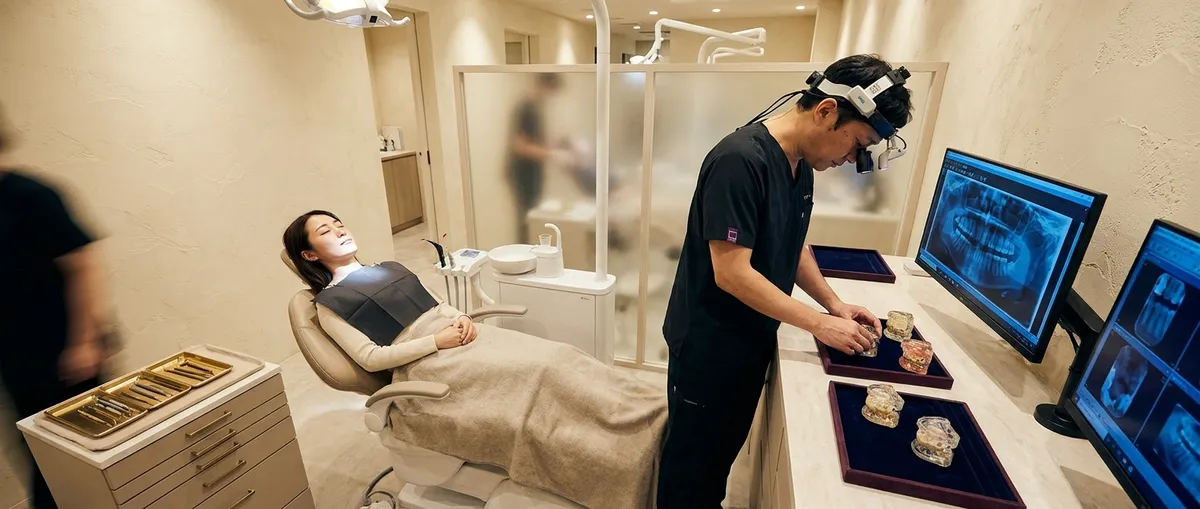
Before a single tooth is contoured or a veneer is crafted, the most perceptive cosmetic dentists study something almost no one posts on Instagram: the underlying support system. Your jawbone, bite, and tooth position dictate how far your makeover can—and should—go.
Healthy, stable bone is what allows teeth and implants to remain anchored for decades. If there has been bone loss from periodontal disease, orthodontic relapse, or missing teeth, high-end practitioners often recommend staged treatment—such as periodontal therapy, bone grafting, or discreet orthodontics—before cosmetic work. This appears slower, but it is precisely what separates temporary upgrades from enduring transformations.
Your bite is equally decisive. If your upper and lower teeth do not meet harmoniously, veneers or crowns placed on a misaligned bite can chip, fracture, or cause jaw discomfort. Sophisticated dentists often use digital bite analysis, mounted models, or trial restorations to ensure your new smile is designed not just to look beautiful at rest, but to function under the silent pressure of thousands of daily chewing cycles.
Exclusive insight #1: The most exquisite smile makeovers begin with an evaluation of bone health and bite dynamics—not color charts. If your consultation focuses only on shade and shape, you may be looking at a short-lived result rather than a truly elevated, structural transformation.
The Gum Line as Couture: Why Tissue Health Shapes Visual Luxury
To the untrained eye, gums frame the teeth. To the discerning cosmetic dentist, they are haute couture tailoring—dictating balance, symmetry, and the very impression of youthfulness. Inflamed, puffy, or receding gums will quietly diminish even the most meticulous ceramic work.
Healthy gingival tissue lies closely adapted to each tooth, with a subtle scallop that mirrors your lip line. When gums are irritated by plaque, tartar, or ill-fitting restorations, they swell and redden, making teeth appear shorter and uneven. Conversely, excessive brushing, aggressive whitening, or clenching can contribute to recession, exposing darker root surfaces and undermining the “natural luxury” many patients seek.
Premium practitioners often recommend a periodontal refinement phase before cosmetic treatment: precision cleanings, gentle gum therapy, and sometimes laser or surgical contouring to harmonize the gum levels. This is not merely aesthetic; well-shaped, healthy gums seal out bacteria and protect the underlying bone.
Exclusive insight #2: Gum refinement is the invisible luxury step behind a truly elevated makeover. Those who invest in periodontal health and contouring first often require less aggressive tooth reduction and enjoy more graceful, balanced results.
The Microbiome Factor: Invisible Ecology, Visible Outcomes
Inside your mouth lives a complex ecosystem of bacteria, fungi, and other microorganisms collectively known as the oral microbiome. When this ecosystem is balanced, it protects against cavities, gum disease, and bad breath. When it is disrupted—by poor hygiene, smoking, highly acidic diets, or even certain medical conditions—it can quietly undo cosmetic dentistry from within.
A disrupted microbiome increases the risk of decay around veneers, under crowns, and between teeth. It also predisposes you to gum disease, which can lead to bone loss and black triangles between the teeth over time. For patients who have invested in veneers, implants, or full-mouth rehabilitation, this internal imbalance is a subtle but significant threat.
Forward-thinking dentists increasingly view the microbiome as central to long-term smile success. They may recommend targeted home-care strategies, such as high-fluoride gels for at-risk patients, prescription-strength antimicrobial rinses (short-term, when appropriate), and professional maintenance schedules tailored to your personal risk profile. Some even collaborate with physicians if systemic conditions—diabetes, autoimmune disease, hormonal changes—are influencing oral stability.
Exclusive insight #3: Your oral microbiome is the unseen curator of your investment. Planning a makeover without addressing your decay and gum-disease risk profile is like commissioning couture and then storing it in a damp basement.
Material Intelligence: Matching Ceramics to Your Lifestyle and Habits
Not all veneers or crowns are created equal—nor should they be. The most refined outcomes come from a nuanced understanding of dental materials and how they interact with your unique habits, bite, and aesthetic goals.
Ultrathin porcelain veneers can create luminous, natural results with minimal tooth reduction when the underlying enamel is sound and the bite is stable. In contrast, patients who clench, grind, or have darker underlying tooth structure may be better served by slightly thicker ceramics or stronger materials such as monolithic zirconia in strategic areas. The trade-off between strength, translucency, and thickness is not a one-size-fits-all decision.
Moreover, how these materials are bonded to the tooth—and how much natural enamel is preserved—has major implications for longevity. Enamel bonds more predictably and durably than dentin, so conservative preparation that preserves enamel is a silent luxury: it keeps your options open for future refinements.
Exclusive insight #4: The most sophisticated makeovers are not defined by “veneers or crowns,” but by a tailored material strategy that considers your bite, habits, enamel quality, and long-term plans. Asking why a specific ceramic or design is recommended is a hallmark of an informed, elevated patient.
Long-Term Preservation: Designing a Smile That Ages Gracefully
An exquisite smile should not merely look spectacular on completion day; it should age in harmony with your face, skin, and lifestyle. This requires a long-view philosophy at the treatment-planning stage and a maintenance strategy that goes beyond twice-yearly cleanings.
First, your dentist may subtly design your teeth with future changes in mind—allowing for gentle adjustments as your lips thin, your facial volume shifts, or your natural teeth darken slightly with time. Well-considered shapes and lengths can remain flattering even as your facial proportions evolve.
Second, high-value patients are often placed on bespoke maintenance protocols: more frequent professional cleanings, periodic photography to monitor subtle changes, bite checks to adjust for evolving clenching patterns, and night guards that are actually customized to your new restorations rather than generic.
Finally, lifestyle counsel becomes part of the conversation: guidance on moderating highly acidic beverages, smoking cessation support when relevant, and coordinated care with medical providers if medications or systemic conditions affect your oral health.
Exclusive insight #5: The most luxurious smile makeovers are designed as evolving collaborations, not finite projects. When your dentist plans for how your smile will look and function five, ten, or twenty years from now, your results tend to remain quietly impeccable rather than obviously “done” over time.
Conclusion
A radiant smile makeover is far more than a sequence of procedures; it is a carefully orchestrated partnership between structural biology, advanced materials, meticulous health, and deliberate maintenance. Bone quality, gum architecture, microbiome balance, material intelligence, and long-term planning are the discreet forces that determine whether your new smile will simply impress in the short term or truly endure as part of your personal signature.
For those seeking not just a whiter smile, but an elevated, enduring transformation, the most powerful step is asking deeper questions: about foundations, risk factors, and preservation—not just about shade and shape. When you treat your oral health as the quiet engine behind your makeover, the result is not merely cosmetic—it is a refined investment in how you will present yourself to the world for years to come.
Sources
- American Dental Association – Oral Health Topics – Evidence-based information on gum disease, restorations, and preventive care
- National Institute of Dental and Craniofacial Research – Periodontal (Gum) Disease – In-depth overview of how gum health affects bone, teeth, and long-term outcomes
- Mayo Clinic – Dental Veneers – Explanation of veneer indications, risks, and considerations for long-term success
- Harvard School of Dental Medicine – Oral Microbiome Research – Discussion of the oral microbiome and its role in oral and systemic health
- Cleveland Clinic – Bruxism (Teeth Grinding) – Details on bite forces, clenching, and how they impact teeth and restorations
Key Takeaway
The most important thing to remember from this article is that this information can change how you think about Oral Health.