The most memorable smiles rarely shout; they’re composed. In the world of modern dentistry, procedures are no longer just clinical interventions—they are precision tools for architectural refinement. For those considering a sophisticated smile makeover, the conversation has moved beyond “white and straight” toward harmony, proportion, longevity, and effortless naturalism. This is not about chasing a trend; it is about commissioning a smile that feels innately yours, built with the same attention to detail you expect from bespoke tailoring or fine jewelry.
Below, we explore how contemporary dental procedures quietly re‑engineer a smile from the inside out—and share five exclusive insights that discerning patients rarely hear in standard consultations.
From “Fixing Teeth” to Curating a Facial Signature
Traditional dentistry often focused on isolated problems: a damaged tooth, a misaligned bite, a discolored front incisor. Today’s elevated approach treats your smile as a central component of your facial identity, influenced by bone structure, lip dynamics, and even how you speak and laugh in motion.
Digital smile design, high-resolution imaging, and intraoral scanners allow your dentist to map not only your teeth, but also the way they interact with your lips and cheeks. Instead of envisioning a row of perfect teeth in isolation, your clinician can simulate how different shapes, lengths, and contours alter your entire expression. This shift—from tooth-by-tooth treatment to full-face evaluation—means cosmetic procedures are planned with the same intentionality as facial aesthetics, ensuring your final result feels harmonious rather than “done.”
Premium practices increasingly schedule extended planning appointments, devoting serious time to understanding your personal style: Do you favor a more classic, timeless aesthetic, or something subtly bolder? Are you looking to restore what age has softened, or to refine what nature never fully finished? The most successful dental procedures begin not with a drill, but with an in-depth conversation and a carefully examined photograph.
The New Role of Technology: Precision as a Luxury
The most luxurious experiences are often those you barely notice—doors that close silently, fabrics that feel weightless yet structured. In advanced dental procedures, technology now plays that silent, supporting role, minimizing discomfort while elevating precision.
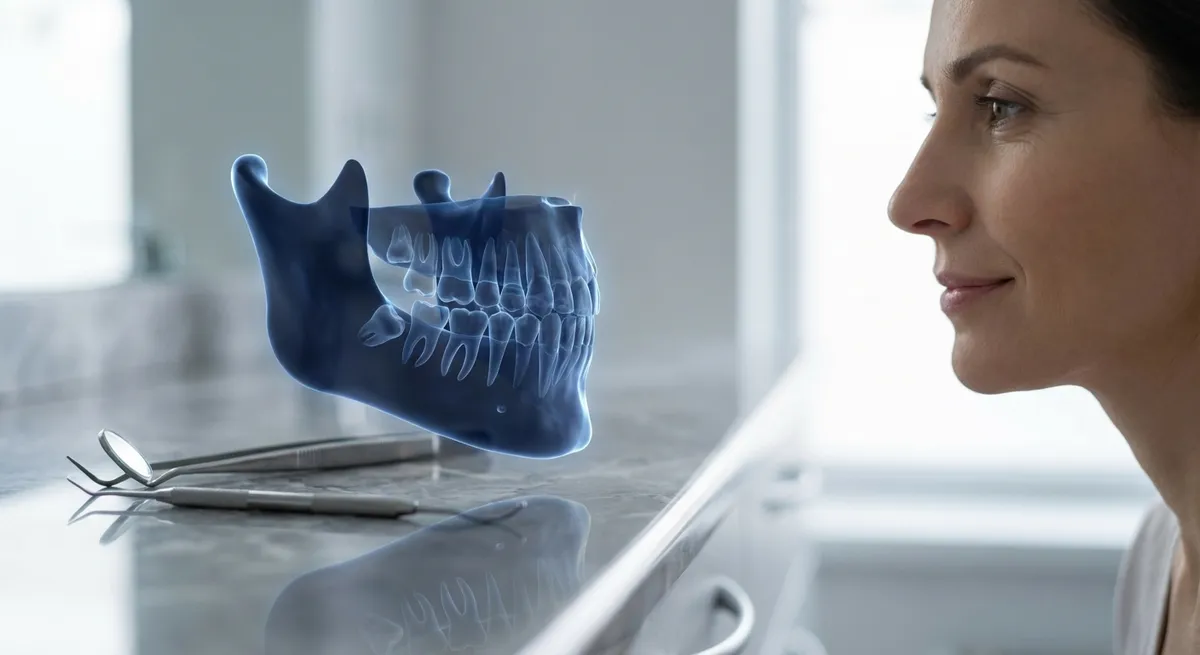
Three-dimensional CBCT scans, digital impressions, and guided surgery systems allow implants and restorations to be placed with sub-millimeter accuracy. This reduces guesswork and helps preserve healthy bone and tissue, which in turn supports more natural contours and long‑term stability. Procedures that once required multiple messy impressions and lengthy chair time can now unfold with a streamlined elegance: a discreet scan here, a digital bite recording there, and an outcome that feels meticulously calculated rather than approximated.
Even restorative materials have become more refined. High-strength ceramics and hybrid materials can be milled or layered to capture delicate translucencies and textures, mirroring the way light moves through natural enamel. The result is not merely durability, but a quiet, convincing realism—restorations that look “unremarkable” in the most flattering sense of the word.
Five Exclusive Insights for the Discerning Smile Makeover Patient
When you move beyond basic cosmetic dentistry and into the realm of curated smile transformations, a different set of questions becomes important. These five insights can transform the way you approach your treatment plan and your conversations with your dentist.
1. The Shape of Your Teeth Speaks Before You Do
Most patients ask about shade; far fewer ask about shape, yet form is what the eye reads first. Rounded corners, sharper angles, subtle asymmetries, and the ratio of width to length all communicate something about personality—soft, youthful, assertive, refined.
An elevated smile design considers:
- Central incisor dominance: How much attention your two front teeth command.
- Canine prominence: The degree of “strength” or softness at the corners of your smile.
- Micro‑asymmetry: Gentle, controlled differences between left and right that avoid a manufactured look.
If you are seeking veneers, implants, or crowns, ask your dentist to show you different tooth shape libraries or wax‑ups, and view them in relation to your face rather than just in a close‑up of your mouth. You are not selecting “teeth” so much as defining a visual language for your expression.
2. Your Bite Is the Hidden Guardian of Long-Term Beauty
A pristine set of veneers placed on an unstable bite is like silk drapery installed on a crumbling wall. Many patients underestimate the structural role of occlusion—the way your upper and lower teeth meet—when pursuing aesthetic upgrades.
Grinding, clenching, or a misaligned bite can quietly erode enamel, fracture restorations, and create micro‑cracks that stain over time. Sophisticated practices often incorporate:
- Occlusal analysis: Evaluating how forces distribute across your teeth.
- Night guards or bite splints: Protecting both natural teeth and restorations.
- Orthodontic refinement (clear aligners or braces): Establishing a balanced foundation before cosmetic work.
If you are investing in porcelain veneers, full-mouth reconstructions, or implant-supported restorations, insist on a bite evaluation. Long-term elegance depends on engineering as much as it does on aesthetics.
3. Tissue Architecture Is as Important as the Tooth
Gums are to teeth what framing is to artwork. They define the borders, balance, and perceived symmetry of your smile. Yet the conversation around “gum architecture” still remains surprisingly rare outside elite practices.
Modern procedures can subtly refine:
- Gingival levels: Laser or surgical contouring to even out a lopsided gum line.
- Black triangles: Managing gaps between teeth with tailored restorations or minor orthodontics.
- Gummy smiles: Adjusting the ratio of tooth to gum display, sometimes in conjunction with orthodontics or orthognathic planning.
Ask your dentist to show you your smile at rest and in full laughter. The most refined outcomes account for how your gums present at every emotional register, not just in a static, half-smile pose.
4. Time Is a Design Tool, Not an Inconvenience
There is a quiet luxury in not rushing. While some offices emphasize “same-day” smile makeovers, premium results often benefit from a phased approach.
Consider:
- Provisional restorations: Temporary veneers or crowns that you wear for a few weeks, allowing you to test the aesthetics and function in real life before finalizing.
- Staged whitening and restorative work: Lightening your natural teeth to a stable shade first, then matching restorations precisely.
- Adaptive planning: Making micro-adjustments after you’ve lived with a new bite or tooth shape for a short period.
Patients who allow this intentional pacing often report that their final smiles feel more “inevitable” than “sudden,” as though they evolved into a more polished version of themselves rather than debuting a brand-new identity overnight.
5. Materials Should Be Chosen Like Fabrics, Not Commodities
Ceramic is not a monolith, nor is “porcelain” a guarantee of quality. Different materials offer varying degrees of strength, translucency, and light behavior, much like textiles range from matte wool to high-shine satin.
For instance:
- Lithium disilicate ceramics can balance aesthetics and strength for many front-tooth situations.
- Zirconia-based restorations offer exceptional durability, often favored for molars or implant frameworks—but they must be handled carefully to avoid an opaque, flat look.
- Layered ceramics (where a core is veneered with more translucent porcelain) can mimic the depth and complexity of natural teeth.
Rather than asking simply, “Will these be porcelain?” ask your dentist which specific material systems they recommend and why. The answer will reveal how seriously they treat the interplay between beauty, function, and longevity.
How Key Procedures Quietly Transform the Entire Smile
When you look beyond the surface, individual procedures serve distinct roles in your overall aesthetic architecture. Understanding their purpose allows you to curate a more intentional treatment plan.
Orthodontics (including clear aligners) does more than straighten teeth; it repositions them into a frame that supports proportionate lips and a balanced lower face. Slightly broadening an arch, for example, can subtly enhance facial fullness and create a more youthful appearance.
Implants and implant-supported restorations do more than fill gaps; they help preserve jawbone, maintain facial volume, and protect surrounding teeth from shifting. With guided placement and carefully contoured crowns, they can become virtually indistinguishable from natural teeth, both visually and functionally.
Minimally invasive veneers or bonding can fine‑tune contours, close micro‑spaces, and correct subtle asymmetries with very conservative alteration to natural tooth structure. In skilled hands, these procedures become instruments of refinement rather than radical change.
Full-mouth rehabilitations—where multiple teeth are restored or replaced—can recalibrate bite height and jaw posture, potentially softening deep facial lines or a collapsed mid-face appearance. While not a substitute for facial cosmetic procedures, they can significantly influence how light and shadow move across the lower third of the face.
The most elevated outcomes are rarely the result of a single procedure, but of a carefully choreographed sequence, each step building structural and aesthetic integrity.
Conclusion
A truly refined smile makeover is never just about “fixing teeth.” It is about orchestrating a subtle re-engineering of form, function, and expression—one that respects your facial architecture, your lifestyle, and your personal sense of elegance. In this space, dental procedures become instruments of quiet transformation: digital planning ensures precision, material choices echo your aesthetic preferences, and measured timing allows your new smile to feel authentically integrated into who you are.
When you engage with your clinician as a collaborator—asking about tooth shape as well as shade, about bite forces as well as veneers, about gums as well as enamel—you step into a higher tier of care. The result is not a generic “perfect” smile, but a considered, enduring signature: a smile that feels as though it was always meant to be yours, only now expressed with greater clarity and refinement.
Sources
- American Dental Association – Cosmetic Dentistry Overview – Explains common cosmetic procedures and their uses in modern dental practice.
- Mayo Clinic – Dental Veneers – Details indications, risks, and benefits of veneers, including materials and planning.
- Cleveland Clinic – Dental Implants – Comprehensive overview of implant procedures, advantages, and long-term considerations.
- National Institutes of Health (NIH) – Digital Smile Design and Aesthetic Dentistry – Research article discussing digital planning and its impact on aesthetic outcomes.
- Harvard School of Dental Medicine – Occlusion and Oral Health – Discusses the role of bite alignment in function, stability, and long-term dental health.
Key Takeaway
The most important thing to remember from this article is that this information can change how you think about Dental Procedures.