When people talk about “perfect” smiles, they usually jump straight to veneers, aligners, and whitening. But the most memorable, high-caliber smiles are built on something quieter: immaculate oral health, elevated to an art form. For those considering a dental makeover, understanding this foundation is not a luxury—it’s the difference between a fleeting upgrade and a truly enduring transformation.
Below are five exclusive, often-overlooked insights that discerning patients use to ensure their smile investment ages beautifully, both clinically and aesthetically.
1. The Pre-Makeover Audit: Treat Your Mouth Like a High-Value Asset
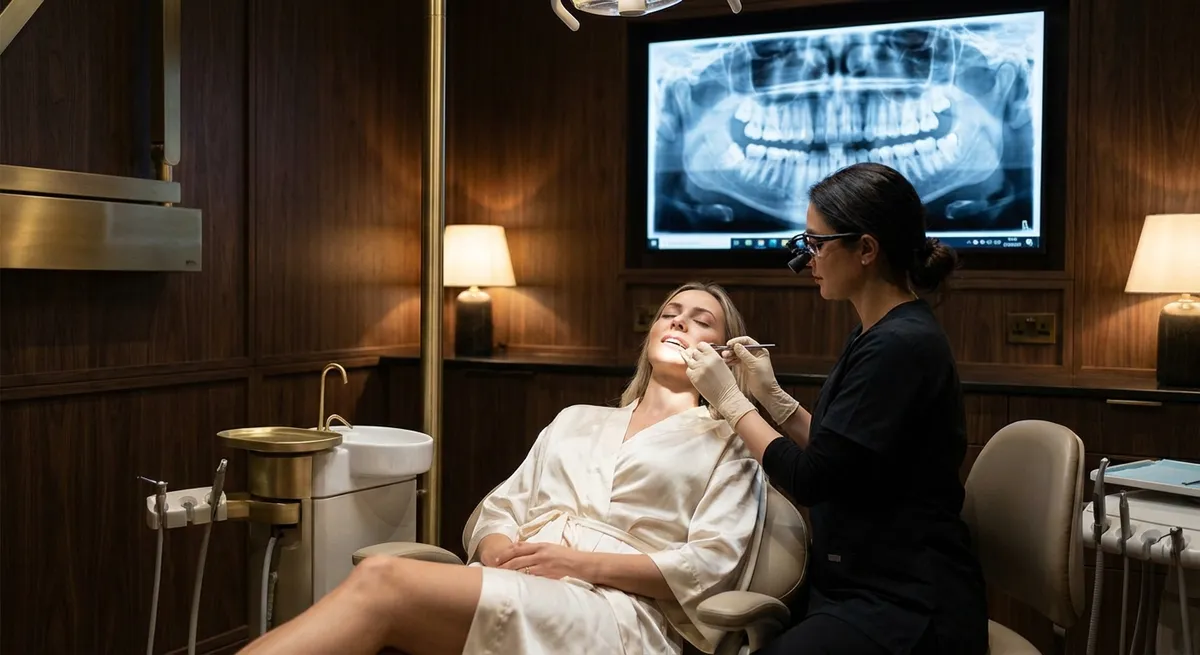
Before any cosmetic work begins, a comprehensive oral health audit should be non-negotiable. Think beyond the standard “check-up and cleaning.” A premium pre-makeover evaluation typically includes:
- High-resolution imaging (including 3D scans) to map bone, roots, and bite dynamics
- Advanced periodontal assessment to detect even subtle gum inflammation or bone loss
- Evaluation of existing restorations (fillings, crowns, root canals) for microscopic leakage or fractures
- Screening for enamel microcracks and areas of early demineralization
This level of scrutiny may feel meticulous, but it’s precisely what protects significant cosmetic work from future complications. Placing veneers over undiagnosed gum disease or a compromised bite is the dental equivalent of hanging fine art on a crumbling wall.
Discerning patients often approach this stage like a portfolio review: nothing moves forward until every potential weakness is identified and addressed. That may mean a few months of foundational treatment before a single cosmetic step is taken—but it’s precisely this patience that yields long-term, stable beauty.
2. Gum Architecture: The Silent Designer of a Luxurious Smile
Most makeover conversations center on teeth, yet the gums frame the entire composition. The difference between a “nice” smile and a truly elevated one often comes down to gum architecture—its shape, symmetry, and health.
Sophisticated smile planning looks at:
- Gingival symmetry: Are the gum lines of the front teeth harmonious, or do they create visual tension?
- Tooth-to-gum ratio: Do the teeth appear “stubby” or “too long,” suggesting excess gum display or recession?
- Biotype: Is the gum tissue naturally thin and delicate or thick and robust? This affects how predictable cosmetic outcomes will be over time.
Healthy, well-contoured gums create a soft, natural frame that makes even subtle cosmetic enhancements look more expensive and intentional. Conversely, inflamed or uneven gums can cheapen the effect of beautiful restorations.
For those planning comprehensive work, minor gum recontouring, periodontal therapy, or tissue stabilization (such as treating recession before veneers) should not be seen as add-ons. They are core design moves—akin to perfecting the walls and lighting before placing a sculpture.
3. Bite Harmony: The Invisible Force That Protects Your Investment
One of the most under-discussed determinants of smile longevity is occlusion—how your teeth meet when you bite, speak, and move your jaw. A bite that is even slightly off can:
- Accelerate wear on natural teeth and restorations
- Increase the risk of veneer fractures or chipping
- Contribute to jaw muscle strain, headaches, or TMJ discomfort
- Create micro-mobility of teeth over time, subtly distorting alignment
Premium makeover planning evaluates the bite in motion, not just “teeth together” in a mirror. This may include:
- Digital bite analysis to visualize pressure points across the arch
- Assessment of parafunctional habits, such as clenching or grinding
- Considering pre-alignment with orthodontics or clear aligners before placing definitive restorations
For the detail-oriented patient, refining the bite is not merely about comfort; it’s about ensuring that every millimeter of porcelain or composite is working with your jaw’s natural dynamics, not against them. The result is not just a beautiful smile on day one—but a smile that continues to look composed and intact years later.
4. Enamel Preservation as a Luxury Standard
True luxury in dentistry is not about how much is added—it’s about how intelligently little is taken away. Enamel, once removed, cannot regenerate. Protecting it is one of the most elevated approaches to a makeover, especially for patients planning veneers or bonding.
Refined treatment planning favors:
- Minimal or “no-prep” restorative options when anatomy allows
- Strategic use of aligners or orthodontics to position teeth optimally before cosmetic work, reducing the need to cut them down
- Remineralization protocols (using prescription fluoride, high-calcium pastes, or specific mouthrinses) to strengthen enamel before and after treatment
- Careful selection of whitening regimens that balance brightness with enamel integrity, avoiding over-bleaching
Patients who understand the value of preserving native structure often see their smile as a lifelong asset, not a series of short-term upgrades. Every decision, from the thickness of a veneer to the type of whitening used, is weighed against the question: “Does this protect or deplete my enamel?” That mindset is the hallmark of a truly premium, future-focused approach.
5. Post-Makeover Rituals: Elevating Maintenance to a Fine Art
The most successful smile makeovers are not defined by the “after” photos, but by how well they age. This is where post-treatment rituals matter as much as the treatment itself.
A refined post-makeover protocol often includes:
- Customized hygiene intervals: Instead of the default six months, many patients with advanced work benefit from three- or four-month professional cleanings, tailored to their gum health and restorations.
- Upgraded at-home tools: Sonic toothbrushes, precision floss alternatives, interdental brushes, and non-abrasive toothpaste selected to protect both enamel and porcelain.
- Night guards or occlusal splints: Discreet, custom devices to protect against subconscious grinding and clenching, safeguarding veneers and bonding.
- Stain-conscious lifestyle adjustments: Strategic timing of coffee, tea, red wine, and dark sauces—paired with water rinses or brushing routines—to preserve luminosity without sacrificing pleasure.
- Periodic photo or scan comparisons: Using digital records to track microchanges in gums, bite, or wear patterns, allowing for early, subtle interventions rather than major corrections.
For patients accustomed to caring for investment pieces—whether timepieces, art, or tailored garments—this level of maintenance feels intuitive. A high-end smile is no different: it demands thoughtful stewardship. When oral health rituals are elevated to this standard, your makeover doesn’t just look good; it reads as intentional, curated, and quietly enduring.
Conclusion
A transformational smile is never just about whiter or straighter teeth. For those seeking exceptional results, the conversation must move beyond surface upgrades and into the realm of precise diagnostics, gum architecture, bite harmony, enamel preservation, and disciplined maintenance.
Oral health, when handled at this level, becomes the unseen engine behind the most sophisticated smiles—those that look not only beautiful, but inherently right for the face, stable over time, and unmistakably premium. In that sense, the true luxury of a smile makeover is not the procedure itself, but the invisible excellence that makes it last.
Sources
- American Dental Association – Gum Disease – Overview of periodontal health, inflammation, and its impact on long-term oral outcomes
- National Institute of Dental and Craniofacial Research – Periodontal Disease – Evidence-based information on gum health, bone support, and disease progression
- [Mayo Clinic – Bruxism (Teeth Grinding)]https://www.mayoclinic.org/diseases-conditions/bruxism/symptoms-causes/syc-20356095) – Discussion of grinding, bite issues, and their effects on teeth and restorations
- Harvard School of Dental Medicine – Restorative Dentistry Overview – Insight into principles of preserving tooth structure and planning durable restorative work
- Cleveland Clinic – Dental Veneers – Explains veneer procedures, enamel considerations, and maintenance for long-term success
Key Takeaway
The most important thing to remember from this article is that this information can change how you think about Oral Health.