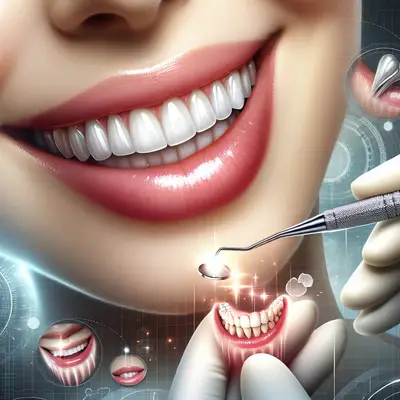
A truly exquisite smile does not shout for attention; it commands it quietly. For discerning patients, cosmetic dentistry is no longer about quick fixes or exaggerated transformations. It is about cultivating a smile that feels inevitable on your face—measured, harmonious, and enduring. In this elevated landscape, technique matters, but so do nuance, restraint, and strategy. Below, we explore five exclusive insights that sophisticated patients often learn only after they begin their smile makeover journey—insights that can guide you toward results that feel as natural as they are exceptional.
1. Your “Ideal” Smile Is Dictated by More Than Your Teeth
Most people arrive at a consultation focused on color and shape, yet the most masterful cosmetic dentists begin somewhere else entirely: your face, posture, and personality.
A refined smile design considers facial thirds, lip mobility, midline alignment, and even how your eyes engage when you speak. The objective is not perfection in isolation, but coherence—ensuring your teeth support your facial features rather than overpower them. For instance, a very bright, perfectly uniform smile on a face with soft, understated features can appear artificial, while slightly varied shapes and a carefully moderated shade can look far more authentic and flattering.
The most sophisticated treatment plans factor in how your smile behaves in real life: during laughter, in profile, under different lighting, and even on camera. High-caliber practices often use digital smile design and high-resolution photography to evaluate these subtleties, allowing you to preview how small adjustments to length, width, and incisal edges can dramatically alter your overall presence. The result is a smile that feels innately yours, not a generic “ideal” replicated from someone else’s face.
2. Shade Selection Is an Exercise in Restraint, Not Extremes
For many, “whiter” is assumed to be “better.” In reality, the most elevated smiles rarely chase the brightest possible shade. Instead, they aim for a refined luminosity—brightness with depth, translucency, and believable variation.
Natural teeth are not a single flat color. They exhibit gradients from the gumline to the edge, and subtle warmth or coolness that interacts with your complexion. An experienced cosmetic dentist will evaluate your skin undertone, lip color, and even typical makeup choices or wardrobe palette when helping you select a final shade. On fair skin, an overly bleached hue can appear harsh and almost opaque; on deeper skin tones, a shade that is too cool may look chalky rather than radiant.
The most luxurious results typically sit just short of “maximum white,” favoring a shade that would be considered naturally exceptional rather than obviously engineered. This restraint creates longevity in your results: your smile will continue to feel appropriate and elegant years from now, instead of reflecting a fleeting aesthetic trend.
3. Texture, Translucency, and Gloss Separate “Nice” from “Extraordinary”
When people sense that a smile looks “fake,” they are often reacting to the surface. Teeth that are uniformly glassy, overly symmetrical, or lacking subtle texture tend to read as artificial, even if the color is technically acceptable.
High-end cosmetic work pays close attention to micro-details: faint vertical striations, gentle undulations, and carefully managed translucency at the edges. These elements imitate the way light interacts with natural enamel. Premium porcelain and advanced composite resins are designed to mimic this multi-layered optical effect, creating a depth that cheaper materials cannot match.
Gloss is equally important. A high-gloss finish can look spectacular under certain lighting, but it must be balanced. Over-polished surfaces can reflect light too uniformly, giving a plastic-like appearance. The most artful restorations feature a nuanced sheen that changes slightly under different lighting conditions, maintaining a sophisticated realism whether you are under soft evening light or camera flashes.
4. The Foundation of Luxury Results Is Function, Not Just Aesthetics
A truly elevated cosmetic outcome should feel as good as it looks. That means your bite, jaw joints, and muscles must be evaluated with the same rigor as your smile line.
When veneers, crowns, or bonding are placed without considering occlusion (how the teeth meet), the results can lead to micro-fractures, chipping, or discomfort over time. Conversely, when form and function are aligned, restorations tend to be more durable and comfortable, supporting a more relaxed jaw posture and a more confident bite.
High-caliber practices often incorporate bite analysis, digital scans, and sometimes even trial “prototypes” of your new smile—temporary restorations that you wear while your final work is being crafted. This allows subtle refinements to length, thickness, and occlusal contact points before anything is permanently bonded. The process may take longer, but it protects your investment and helps ensure that your smile feels natural when you speak, eat, and live with it day to day.
5. Longevity Is Curated: Your Post-Makeover Lifestyle Matters
Premium cosmetic dentistry does not end the day your final restorations are placed; it enters a new phase—curation and preservation. The way you care for your new smile can significantly influence how gracefully it ages.
Soft-bristled brushes, non-abrasive toothpastes, and professionally recommended at-home care products help maintain surface luster without prematurely dulling it. Thoughtful lifestyle adjustments—such as minimizing frequent sipping of highly pigmented beverages, using a straw when appropriate, and wearing a custom nightguard if you clench or grind—can dramatically extend the pristine appearance of porcelain and composite work.
Regular professional maintenance is equally crucial. Many patients underestimate the value of high-quality, gentle cleanings designed specifically for cosmetic restorations. Certain polished porcelain surfaces, for instance, can be compromised by overly abrasive polishing pastes or inappropriate tools. Partnering with a practice experienced in maintaining cosmetic work ensures that your smile is not only preserved, but periodically reassessed as your face, lips, and overall aesthetic evolve with time.
Conclusion
The most compelling cosmetic dentistry is not defined by how dramatically it transforms you, but by how effortlessly it seems to belong to you. By looking beyond shade charts and before-and-after photos—and instead focusing on facial harmony, restrained color selection, sophisticated surface detail, functional precision, and curated longevity—you position yourself for a smile that feels timeless rather than trendy.
For those who view their smile as a considered part of their overall aesthetic, these insights are not luxuries; they are essentials. When thoughtfully applied, they transform cosmetic dentistry from a procedure into an experience—and your smile from an enhancement into a quiet signature of who you are.
Sources
- American Academy of Cosmetic Dentistry (AACD) – What Is Cosmetic Dentistry? - Overview of cosmetic dentistry principles, procedures, and aesthetic considerations
- Mayo Clinic – Veneers - Clinical explanation of veneers, indications, and potential risks
- American Dental Association – Whitening: Facts and Considerations - Evidence-based guidance on tooth whitening and shade selection
- Cleveland Clinic – Malocclusion (Bad Bite) - Discussion of how bite alignment affects function and long-term oral health
- National Institutes of Health (NIH) – Optical Properties of Dental Ceramics - Research-based insight into translucency, surface texture, and light interaction in dental materials
Key Takeaway
The most important thing to remember from this article is that this information can change how you think about Cosmetic Dentistry.