A remarkable smile rarely happens by accident. It is composed—quietly, deliberately—through an orchestration of proportion, color, texture, and personality. Modern smile design is less about “perfect teeth” and more about a curated expression of who you are. For those exploring a dental makeover at a sophisticated level, the conversation moves beyond basic veneers and whitening into nuance: how a millimeter can change the way your lips rest, how light moves across enamel, how your smile reads in real life rather than in retouched photos.
This is the world where dentistry meets design. Below are five exclusive, often-overlooked insights that discerning patients increasingly expect from a truly elevated smile transformation.
1. The Face, Not the Teeth, Dictates the Design
Refined smile design does not begin with a shade tab or a veneer catalog; it begins with your entire face at rest and in motion. A skilled cosmetic dentist will evaluate:
- The vertical proportions of your face (forehead, midface, lower third)
- The relationship between your pupils, nose, and dental midline
- How your lips frame your teeth when you speak and when you smile spontaneously
- The amount of gum that shows during different expressions
Rather than forcing “ideal” teeth into any face, the goal is harmony. For a longer, narrow face, slightly wider central incisors can create visual balance. For a rounder face, gently lengthened central incisors can subtly elongate the overall appearance. The smile becomes part of a larger composition—akin to tailoring a garment to the body rather than buying off-the-rack.
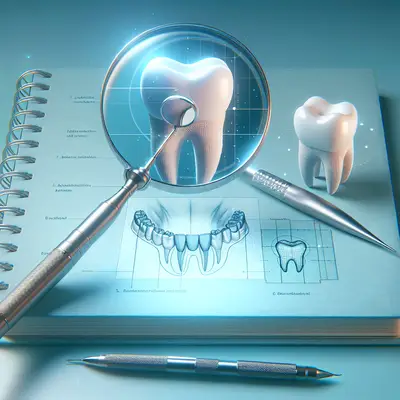
Advanced practices often use facially driven digital smile design, aligning proposed tooth shapes and positions directly with facial landmarks on high-resolution photos and scans. This creates a blueprint where your features guide every decision, from tooth width to incisal edge position.
2. Texture and Translucency Are the Real Markers of Luxury
To the untrained eye, “white” can seem like the ultimate goal. In elevated smile design, it is not. What differentiates a refined smile from a “done” smile is the way each tooth interacts with light.
Luxury-level ceramic work considers:
- Microtexture: Delicate ridging and subtle surface irregularities that mimic natural enamel
- Translucency gradients: Slightly more translucency at the incisal edge, greater opacity near the gumline
- Depth of color: Layered ceramics that create a sense of internal luminosity, rather than a flat, opaque white
An overly uniform, high-opacity white tends to look artificial, especially in natural daylight and in high-resolution photography. By contrast, carefully engineered translucency picks up ambient light, so the teeth appear bright yet soft, without the reflective glare often seen in over-bleached smiles.
Patients seeking a discreet, high-end result should ask to see close-up photos of previous work under different lighting conditions—operatory light, natural window light, and soft indoor lighting. The most sophisticated smiles remain convincing in all three.
3. Your “Social Six” Are No Longer Enough
Traditional cosmetic dentistry often focused on the “social six” (the six upper front teeth visible in a straightforward smile). Discerning patients, however, increasingly insist that the smile remains believable from every angle.
When you laugh, speak, or turn your head, additional teeth—premolars and sometimes first molars—enter the frame. If only the front six are treated, the transition from porcelain to natural tooth can be obvious, especially if the untreated teeth are darker or more worn.
A modern, elevated approach considers:
- Smile arc continuity: Ensuring the curvature of the incisal edges flows seamlessly from canine to premolar
- Buccal corridor management: Slightly narrowing or filling the “dark space” at the corners of the mouth to avoid a hollow or “collapsed” look
- Functional integration: Making sure back teeth support the new bite, protecting the front teeth and minimizing long-term fracture risk
This doesn’t always mean placing veneers on every visible tooth. In some cases, targeted whitening, minor reshaping, and selective restorations on key teeth can create a fully integrated smile frame. The objective is not maximal treatment but precise, strategic treatment that looks flawless in casual, candid moments—not just in a posed photograph.
4. The Most Successful Smiles Are Designed in Motion
Static before-and-after photos tell only part of the story. An elevated smile design process studies how your mouth moves through speech, laughter, and subtle expressions. This is where technology and artistry converge.
Forward-thinking clinicians increasingly use:
- Short video clips of you speaking, laughing, and pronouncing specific sounds
- Dynamic smile analysis to assess how much tooth shows at rest vs. during a full smile
- Phonetic testing (e.g., “F,” “V,” “S” sounds) during provisional restorations to fine-tune edge length and positioning
A tooth that looks ideal in a mirror can feel slightly “too long” when saying certain words or can click against the lower teeth under specific movements. Temporaries (prototypes) allow both you and the dentist to test-drive the new length, shape, and contour in everyday life—on calls, in meetings, during dinner—before committing to the final ceramics.
This motion-aware approach yields a smile that not only photographs beautifully but feels natural and effortless in conversation, avoiding that subtle sense of self-consciousness that comes when teeth look “new” but don’t yet feel like yours.
5. Emotional Fit Is as Important as Aesthetic Fit
Sophisticated smile design doesn’t chase a single standard of beauty; it curates a visual expression that aligns with your personality, lifestyle, and even profession. The difference between a quietly confident smile and an overstatement often lies in these subtleties:
- Profession and public presence: Executives, attorneys, and physicians may prefer a restrained, natural enhancement that reads as credibility rather than glamour. Creative professionals or on-camera personalities may choose a slightly more sculpted or luminous result.
- Age-appropriate refinement: A high-gloss, ultra-bright smile that suits a 28-year-old influencer might feel incongruous on a 58-year-old art curator seeking timeless elegance. Strategic softening of brightness and contour can signal maturity without sacrificing freshness.
- Personal aesthetic: Some people gravitate toward refined imperfection—a barely off-center midline, a gentle asymmetry, or subtly varied tooth lengths that suggest natural authenticity rather than strict uniformity.
The most meaningful conversations with your dentist will include not just “What do you want your teeth to look like?” but “How do you want your smile to feel in your life?” Understated, immaculate, approachable, bold, or quietly powerful—these emotional descriptors guide design choices in ways that tooth measurements alone cannot.
A truly premium result is one that you forget about because it feels like it has always belonged to you.
Conclusion
An elevated smile makeover is not a single treatment; it is an experience in thoughtful design. It integrates facial analysis, advanced materials, dynamic function, and an understanding of who you are and how you live. The difference between a competent cosmetic result and a sophisticated one lies in these refined details: how the teeth sit within your face, how they interact with light, how they behave when you speak, and how naturally they reflect your character.
For those seeking more than a standard cosmetic upgrade, the most valuable investment is not only in the caliber of materials but in the philosophy of the clinician—a practitioner who treats your smile as a bespoke design project rather than a routine procedure. When done with this level of intention, the final result is not just beautiful; it is quietly, convincingly yours.
Sources
- American Academy of Cosmetic Dentistry (AACD) – Smile Design Principles - Outlines core concepts in modern smile design and aesthetic planning
- UCLA School of Dentistry – Digital Smile Design Overview - Explains how facially driven digital workflows elevate aesthetic outcomes
- Journal of Prosthetic Dentistry – The Role of the Smile in Facial Esthetics00388-4/fulltext) - Peer-reviewed discussion of facial proportions, smile arcs, and esthetic parameters
- Mayo Clinic – Veneers and Dental Restorations - Clinical overview of veneers, indications, and considerations for treatment
- Harvard School of Dental Medicine – Esthetic Dentistry and Patient-Centered Care - Highlights the importance of personalized, patient-driven planning in cosmetic dentistry
Key Takeaway
The most important thing to remember from this article is that this information can change how you think about Smile Design.