The internet is having a moment with faces again. From the Nature Photographer of the Year 2025 portraits to viral collections like “48 Stunning Portraits Showing Just How Diverse And Beautiful People Really Are,” our feeds are flooded with striking close‑ups, candid expressions, and hyper-detailed images that invite us to linger on every feature. High‑resolution photography and social sharing have turned human faces into global galleries—zoomable, commentable, endlessly comparable.
Amid this visual saturation, one detail quietly shapes our perception of beauty more than most people realize: the smile. In these award-winning portraits and everyday posts alike, smiles are not just accessories; they’re centerpieces of identity, status, and self‑care. For anyone considering a dental makeover, the current cultural obsession with faces and authenticity is reshaping what a “luxury smile” really means—less about perfection, more about precision, nuance, and narrative.
Below are five exclusive, timely insights for those seeking a refined, future‑proof smile makeover in an age where every close‑up can go global.
1. The Camera Is Unforgiving—But It’s Also Your Best Designer
The same technology that powers the Nature Photographer of the Year 2025 winners—ultra‑sharp lenses, meticulous lighting, and high‑dynamic‑range imaging—is now standard in our phones. Every brunch photo, wedding reel, or candid portrait is effectively a mini beauty campaign shot in 4K. For smile design, this is not a threat; it’s a blueprint.
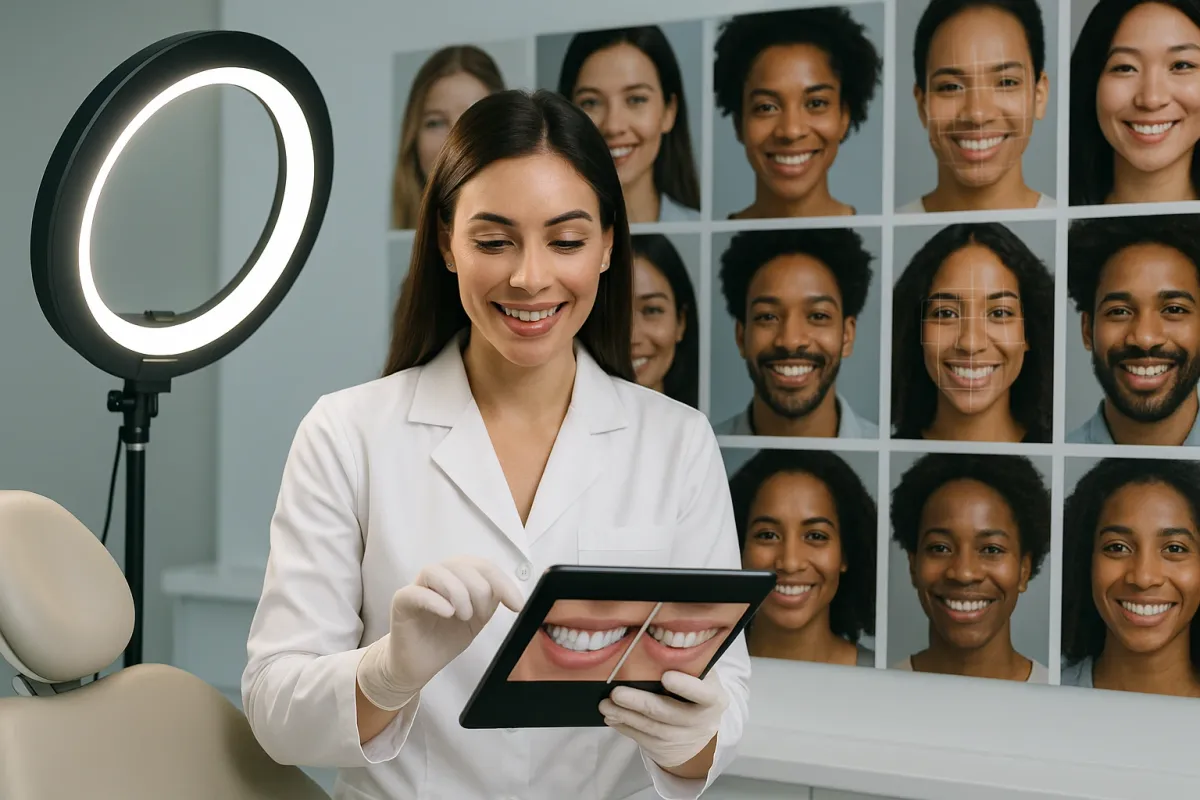
Top cosmetic dentists are now treating your phone camera as a diagnostic tool. Rather than relying solely on static clinical photos, they analyze how your teeth look under different lighting conditions, angles, and expressions—the way a portrait photographer studies a subject. They examine how your incisal edges (the “cutting” edges of your front teeth) interact with your lower lip while you laugh, how white your enamel appears indoors versus in daylight, and which side of your smile the camera tends to favor.
If you’re planning a makeover, bring real‑world photos and short video clips to your consultation: talking, laughing, and smiling naturally. This “lived-in” visual data allows your dentist to design a smile that is not only beautiful in the mirror, but photogenic in the light and lenses you actually live in.
2. Diversity In Portraiture Is Quietly Killing The “One‑Size‑Fits‑All” Smile
The viral success of portrait collections celebrating global beauty—different skin tones, facial structures, ages, and cultural aesthetics—is changing what feels aspirational. A decade ago, many makeover requests converged on the same reference: uniformly bright, perfectly even, heavily “done” smiles modeled on a narrow celebrity ideal. Today, patients arrive with screenshots of real people: a Tunisian model’s subtly irregular canines, a Korean actor’s slightly translucent incisors, or an older artist’s gracefully worn but impeccably maintained smile.
High‑end cosmetic dentistry is responding with a more curated, couture‑like approach. Instead of imposing a standardized “Hollywood” shape and shade, elite practitioners are prioritizing harmony over homogeneity:
- Matching tooth shape to facial architecture (longer central incisors for elongated faces, softened edges for angular jawlines).
- Respecting ethnic and genetic norms—for example, preserving natural diastemas (small spaces) when they’re part of a family or cultural identity.
- Calibrating whiteness to skin undertone and lip color, so teeth look luminous, not fluorescent.
The most sophisticated makeovers in 2025 don’t scream “new veneers.” They whisper “this is exactly how this face was always meant to look.”
3. Ultra‑Close Portraits Expose Texture—And Cheap Work Instantly
Scroll through the latest winning portraits or community photography from platforms like Wikimedia Commons, and you’ll notice something: texture is back in fashion. Freckles, pores, fine lines, lip texture—modern lenses celebrate surface detail instead of erasing it. The same is now true of teeth.
In high resolution, mass-produced “budget” veneers and poorly finished composite bonding are almost impossible to hide. Flat, overly glossy surfaces reflect light in a way that feels artificial, like plastic rather than enamel. The absence of micro-texture, subtle translucency at the edges, and minimal shade variation gives teeth a “clip‑art” quality that is jarringly apparent in close‑ups.
By contrast, high-caliber cosmetic work intentionally builds in controlled imperfection:
- Ultra-fine vertical texture that mimics natural enamel prisms.
- Slight translucency near the edges and warmth near the gumline.
- Gentle, irregular light reflection—more like porcelain, less like polished acrylic.
If you expect to appear in professional photos, on panels, or simply in friends’ ultra‑sharp social posts, invest in a practitioner who talks about surface texture, layering, and light behavior—not just “white” and “straight.” In 2025’s visual culture, the finish is the giveaway.
4. From Red Carpets To Real Life: Expression‑Driven Smiles Are The New Luxury
Public reaction to high‑profile red‑carpet appearances and celebrity close‑ups—every micro‑expression dissected online—has revealed a new truth: people are becoming experts at reading faces. Audiences instinctively sense when something about a smile feels stiff, overfilled, or disconnected from the eyes. A technically perfect row of teeth can feel emotionally wrong if it doesn’t move with the face.
This is why the most advanced smile makeovers now prioritize dynamic aesthetics—how your teeth and lips behave in motion, not just at rest. Sophisticated planning may include:
- Short video captures of you speaking different languages, since phonetics can change how much tooth you show.
- AI‑assisted smile simulations that preview how proposed changes will look while talking or laughing, not just in a static “after” pose.
- Submillimeter adjustments in length and contour to ensure your smile softens your features rather than stretching them.
The result? A smile that looks exquisite in stills and in conversation—congruent with your personality rather than pasted onto it. That harmonious expressiveness is rapidly becoming the true marker of a premium makeover, far more than shade alone.
5. The Future‑Proof Smile: Planning For Tomorrow’s Lenses, Not Yesterday’s Filters
Just as this year’s nature and portrait photography competitions showcase ever more advanced imaging—sharper sensors, more revealing close‑ups—personal imaging is on the same trajectory. Next‑generation smartphones, AR try‑on tools, and “true tone” cameras are moving us away from heavy filters and toward hyper‑real rendering. Imperfections won’t be blurred; they’ll be faithfully recorded.
A future‑proof smile makeover anticipates this shift. That means:
- Biocompatible, lasting materials: High-quality ceramics and meticulously layered composites that retain luster and color stability under varied lighting for many years, not just the first two.
- Gum architecture as part of the design: Perfect teeth framed by inflamed or uneven gums will look increasingly harsh as resolution rises. Periodontal health and sculpting are no longer optional extras; they’re part of the aesthetic plan.
- Functional resilience: A beautiful smile that chips, fractures, or stains easily will not withstand a decade of high-definition documentation. Luxury in 2025 includes the engineering behind the appearance: bite analysis, occlusal guards, and minimally invasive preparation.
Ask your dentist not only, “How will this look next month?” but “How will this age in photos over the next ten years?” A truly elevated makeover is designed with tomorrow’s lenses in mind.
Conclusion
In a world where award‑winning portraits and everyday selfies coexist in the same feed, our smiles are no longer private features—they’re part of our public narrative. Today’s visual culture, from global photography contests to viral portrait series, is steering aesthetics toward authenticity, nuance, and individuality.
For those considering a dental makeover, this is an opportunity, not a pressure point. The most refined smile in 2025 is not the whitest or the most uniform; it’s the one that feels uncannily right for you in every frame—textured, expressive, diverse, and meticulously crafted to stand up to the sharpest lens.
Your face is already a work of art. A truly sophisticated smile makeover doesn’t overwrite that artwork; it completes the composition.
Key Takeaway
The most important thing to remember from this article is that this information can change how you think about Oral Health.