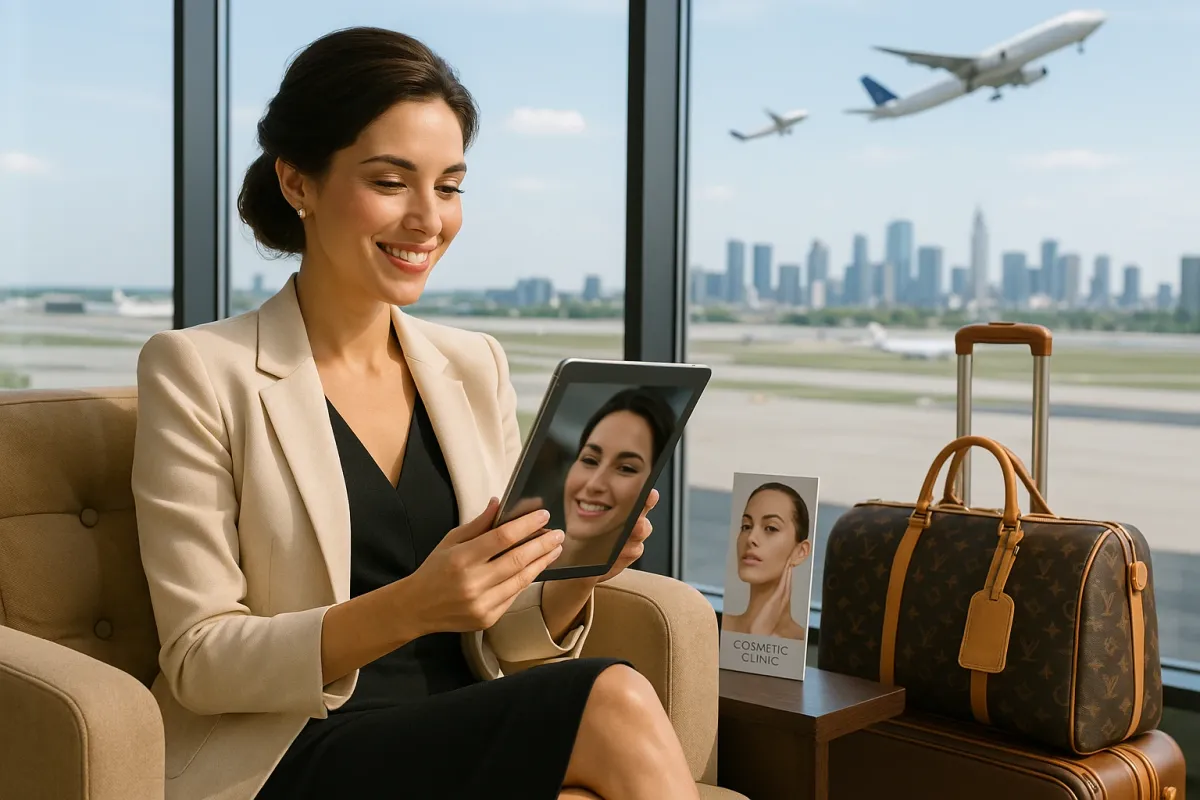
A recent headline about a 31‑year‑old mother now on life support after traveling to Vietnam for plastic surgery has cast a harsh spotlight on the hidden risks of “budget beauty tourism.” While her case centers on body surgery, not dentistry, it raises an urgent question for anyone considering flying abroad for veneers, implants, or a full smile makeover: how do you pursue transformation without gambling with your health?
In an era where TikTok “before and after” reels and Instagram-perfect veneers can be booked with a few taps, many patients are tempted by cut‑price offers in countries from Turkey to Thailand. But behind the glossy hotel‑and‑surgery packages, standards of care, regulation, and long‑term planning can vary dramatically. For discerning patients, the true luxury is not just an immaculate smile—it is safety, subtlety, and durability.
Below are five refined, often‑overlooked insights for anyone contemplating a high‑end dental makeover now, in the shadow of today’s sobering headlines.
1. Safety Is the Ultimate Luxury—And It Starts Before You Board a Plane
The tragic story of a young mother left fighting for her life after overseas cosmetic surgery underscores a reality many patients discover too late: the “risk” doesn’t start in the operating room; it starts in the research phase.
For dental makeovers, particularly those marketed under “vacation dentistry” or “smile holiday” banners, it’s easy to be seduced by resort imagery and influencer testimonials. But a genuinely premium approach treats pre‑treatment screening as non‑negotiable. That includes a full medical history, proper imaging (CBCT scans for implants, digital smile design for veneers), and a clear discussion of your bite, gum health, and existing restorations—ideally from an independent dentist at home, not someone tied to selling you a package.
Ask any overseas clinic for their complication and redo rates, their sedation or anesthesia protocols, and how they handle medical emergencies. If they cannot answer with the same precision as a top clinic in New York, London, or Sydney, the discount is not a deal—it’s a warning sign. In 2025, the most sophisticated patients are learning that safety is not merely a regulatory checkbox; it is a defining feature of a truly luxurious experience.
2. Viral “Turkey Teeth” Are Out; Preserving Natural Tooth Structure Is In
Social media has made the phrase “Turkey teeth” shorthand for aggressively shaved‑down stumps covered with bright, opaque crowns—often done abroad in a single whirlwind visit. These cases are now generating a quieter, more sobering wave of posts: patients chronicling sensitivity, nerve damage, root canals, and full mouth reconstructions in their 30s and 40s.
The modern, premium standard in smile design—whether at home or abroad—prioritizes minimally invasive dentistry. That means ultra‑thin porcelain veneers or bonded ceramics that preserve as much natural enamel as possible, rather than grinding healthy teeth down to pegs. It means designing your new smile around your face, age, and personality, not defaulting to an overly white, identical “influencer template.”
Discerning patients are asking a different set of questions in 2025:
- How many millimeters of enamel will be removed per tooth?
- Is a veneer truly necessary, or would whitening and micro‑contouring achieve the desired effect?
- Will the shade selection respect my skin tone, lip color, and age, rather than chasing an artificial, chalk‑white hue?
The difference between a bargain makeover and a couture smile is not just price—it’s respect for the biology you already have.
3. One Flight, One Visit? Why True Excellence Rarely Happens in a Weekend
The devastating consequences we’re seeing in rushed overseas plastic surgeries are mirrored, in a quieter way, in dentistry: intensive “one‑trip” protocols that leave no margin for healing, refinement, or considered feedback from the patient.
For complex smile makeovers—especially those involving implants, full arch restorations, or significant bite changes—timing matters. Bone and soft tissues need weeks to months to heal. Muscles need to adapt to a new bite. High‑end cosmetic dentists often stage treatment in phases, with provisional restorations (“trial smiles”) worn for a period to test esthetics, speech, and function before final ceramics are made.
If a clinic promises a complete smile transformation, including extractions, implants, and final restorations in one short trip, ask:
- Where is the healing time in this plan?
- When and how can we adjust length, shape, or color if something feels off?
- If I develop pain, chipping, or bite issues after I return home, who is responsible for correction—and at what cost?
The most refined results rarely come from compressed, high‑pressure timelines. They come from a collaboration that allows your mouth—and your preferences—to be heard over time.
4. Hidden Costs Are the New Red Flag: Think Beyond the First Invoice
The heartbreaking headline from Vietnam has reminded the world that “cheap” procedures can become extraordinarily expensive when complications arise—medically, emotionally, and financially.
With dental tourism, advertised prices often exclude:
- Pre‑treatment gum therapy or root canals needed once you arrive
- Emergency management of complications
- Upgrades to better materials or more natural ceramics
- Follow‑up care when you return home
- Future replacements of overly aggressive work done on young teeth
A sophisticated patient calculates total cost of ownership, not just the price tag on the day. Well‑planned veneers may last 15–20 years; poorly executed crowns placed on overly reduced teeth may require costly retreatment within a decade—or less. Implants placed with meticulous planning and quality components can last a lifetime; rushed, poorly positioned implants can compromise bone and aesthetics, making future corrections complex and expensive.
The real question isn’t “Where is veneer X cheaper?” but “Where will my mouth still look and feel exquisite in 10, 15, or 20 years—with minimal drama and maximum comfort?”
5. The New Status Symbol: A Smile That Doesn’t Announce Itself
The current climate around extreme cosmetic procedures—heightened by stories of tragic outcomes abroad—is pushing discerning patients toward a different aesthetic philosophy: quiet luxury.
In dentistry, quiet luxury looks like:
- Slightly translucent ceramics that mimic natural enamel rather than opaque “piano key” whites.
- Subtle alignment and proportion that complement your facial structure, instead of expanding the arch to cartoonish widths.
- Margins that seamlessly blend with the gumline, avoiding the dark lines and inflammation that plague lower‑cost work.
- A bite so comfortable that you forget you ever had dentistry done.
The most coveted smiles in 2025 aren’t the ones that scream “I had work done overseas.” They’re the ones that elicit comments like, “You look incredibly rested—what changed?” without an obvious giveaway. Achieving that level of refinement requires a clinician who thinks like an architect, an artist, and a physician in equal measure.
Conclusion
Today’s headlines about catastrophic outcomes from overseas cosmetic surgery are more than cautionary tales for body procedures—they are a wake‑up call for anyone considering a dental makeover, especially outside their home country. In the age of viral transformations and cut‑price packages, the truly modern luxury is a smile that’s as safe as it is stunning.
A refined approach means insisting on comprehensive pre‑planning, preserving as much natural tooth as possible, respecting biological healing, calculating long‑term costs, and embracing an aesthetic that whispers rather than shouts. When you view your smile as a lifelong investment, not a quick purchase, the decisions you make now will reward you every time you look in the mirror—and every time you step into the light.
Key Takeaway
The most important thing to remember from this article is that this information can change how you think about Oral Health.