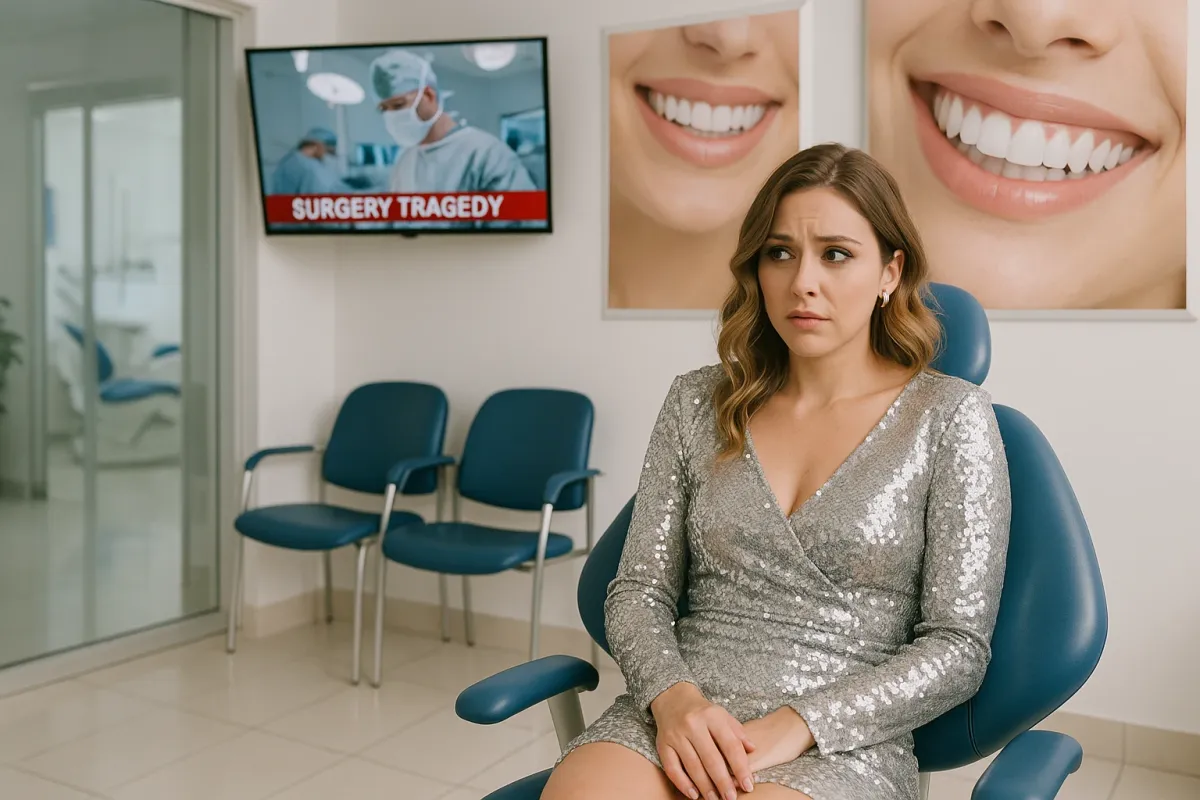
As the world scrolls through end-of-year transformations, one story has cut through the noise for all the wrong reasons. A 31‑year‑old mother is reportedly on life support after traveling to Vietnam for plastic surgery, inspired by Kylie Jenner’s high‑glam evolution and hoping to mirror that dramatic transformation abroad. Her story is being shared widely—not as an aspirational “after,” but as a sobering reminder of what can go wrong when the allure of rapid, low‑cost aesthetic change eclipses safety, nuance, and medical due diligence.
While this case centers on plastic surgery rather than dentistry, the parallels with cosmetic and restorative smile makeovers are unmistakable. Patients fly across borders chasing the same promise: a total transformation at a fraction of the price, completed in days, documented in perfect lighting. For discerning patients considering veneers, implants, or full‑mouth rehabilitation, this moment is a powerful invitation to rethink what a truly premium smile design journey should look like—beyond hype, beyond filters, and beyond regret.
Below, we distill five exclusive, clinic‑level insights drawn from this timely story that every ambitious smile makeover candidate should consider before they board a plane, sign a consent form, or sit in a treatment chair.
1. The New Aesthetic Tourism: Why “Destination Dentistry” Isn’t Always A Luxury Experience
The Vietnam surgery case has reignited global scrutiny on medical tourism—particularly trips booked through social media ads and glossy before‑and‑after reels. Dentistry is deeply entangled in this trend. From Turkey to Thailand to parts of Eastern Europe, “smile makeover packages” are marketed the way resorts once sold all‑inclusive holidays: hotel, transfers, multiple procedures, and a dazzling “Hollywood smile” delivered in under a week.
The problem is that luxury optics can conceal bargain‑basement clinical realities. In many cases, aggressive “shark tooth” shaving for veneers, rushed implant placements, and one‑size‑fits‑all arch forms are normalized as acceptable trade‑offs for speed and cost. Follow‑up care may be vague or non‑existent, and warranty terms can be impossible to enforce across borders. A true high‑end smile design, by contrast, unfolds like couture: measured, staged, and deeply personal. It prioritizes your long‑term oral health, facial harmony, and functional bite—not just the immediate photo. The lesson from the current tragedy is clear: if a makeover package reads more like a flash sale than a medical plan, you’re buying a marketing promise, not necessarily a safe or sophisticated result.
2. Filtered Fame vs. Facial Harmony: The Risk of Copy‑Paste Celebrity Smiles
The woman now on life support reportedly admired Kylie Jenner’s aesthetic evolution and wanted to emulate it abroad—a pattern cosmetic dentists and surgeons see daily. Patients bring in heavily edited photos of celebrities, influencers, or AI‑generated “ideal” faces and request a direct copy, rarely recognizing that those results are the product of lighting, contouring, fillers, orthodontics, digital retouching, and, in many cases, deliberate illusion.
In premium smile design, chasing someone else’s identity is the first red flag. The second is ignoring your own anatomical reality: lip dynamics, gum display, facial asymmetry, jaw position, and even your natural speaking patterns. A hyper‑square, ultra‑white, influencer‑style smile that looks electric on a 4K runway camera can look stark, brittle, or even artificial in everyday life—especially under softer, ambient lighting. The most exclusive cosmetic dentists now operate more like aesthetic directors than mere tooth technicians. They design a smile that belongs to you: calibrated to your age, skin tone, facial proportions, and personal style aesthetic. The current news cycle underscores a truth the best clinicians already know: imitation can be dangerous, but personalization is protective—both psychologically and medically.
3. Due Diligence Is The New Status Symbol
The Vietnam case is especially haunting because, in retrospect, the warning signs feel painfully obvious: a long‑haul flight, a foreign clinic, major aesthetic surgery, limited recovery support, and a transformation request inspired more by celebrity culture than by medical necessity. Yet similar shortcuts play out daily in cosmetic dentistry, often cloaked in aspirational branding. DMs replace proper consultations. Deposits are taken before a comprehensive exam. Treatment plans are quoted without 3D imaging or a thorough bite analysis.
In today’s climate, genuine luxury is not the lobby decor—it is the depth of your evaluation. High‑end clinics typically start with a full photographic series, intraoral scans, cone beam CT imaging if indicated, periodontal evaluation, and a meticulous review of your medical history, medications, and habits (from clenching to vaping). You should leave the initial phase with a documented, phased plan—not a menu of procedures. If your provider can’t explain why a certain approach is best for your specific anatomy, or if you feel rushed towards irreversible treatment (like aggressive tooth reduction for veneers) without alternatives, consider that your cue to step back. In 2025’s world of viral cautionary tales, the most refined decision you can make is to treat due diligence not as an inconvenience, but as a non‑negotiable mark of taste.
4. Reversible First, Irreversible Later: A Couture Approach To Smile Trialing
The story from Vietnam underscores a devastating truth: some aesthetic decisions cannot easily be undone. Cosmetic dentistry has its own versions of no‑return thresholds—teeth that are over‑prepared, nerves that are traumatized, bites that are permanently altered. The difference between rushed makeover tourism and elite smile design often comes down to one philosophy: test in reversible materials before you commit in porcelain.
Top‑tier cosmetic dentists now lean heavily on digital smile design, 3D‑printed mock‑ups, and additive-only composites to create a “dress rehearsal” for your final look. Instead of cutting teeth down to pegs on day one, they may build out length, adjust contours, and refine your smile line with temporary materials, then photograph and film you speaking, laughing, and smiling in real life. You get to live with the proposed design—often for days or weeks—providing feedback on comfort, phonetics, and aesthetics. Only once the smile feels like a natural extension of you do they translate it into ultra‑thin, minimally invasive porcelain. In a world where one impulsive trip can alter a life forever, this reversible‑first, irreversible‑later philosophy is perhaps the ultimate luxury: it protects both your teeth and your future options.
5. The Quiet Luxury of Maintenance: Why The Real Flex Is Longevity
The mother in the current headlines reportedly traveled abroad seeking a dramatic, compressed transformation—an entire arc of change condensed into a few days. Many dental tourists are sold the same promise: fly in dull, fly out dazzling, with no mention of what happens five, ten, or fifteen years later. In premium smile design, longevity is not an afterthought; it is the central design brief.
This is where true sophistication lives: in the microscopic attention to occlusion (how teeth meet), the material selection matched to your bite forces and parafunctional habits, the way restorations transition into gum tissue, and the personalized maintenance plan that accompanies your new smile. Boutique practices often schedule structured follow‑ups, provide custom night guards, and coordinate with your local dentist if you’ve traveled. They anticipate staining patterns, wear, and potential gum changes—and design restorations to age gracefully rather than spectacularly fail. In an era where we’re inundated with instant “after” photos, the most discerning patients are quietly asking a different question: what will this smile look and feel like in a decade? The answer reveals whether you’re buying a moment or investing in a lifetime.
Conclusion
The heartbreaking story of a young mother now on life support after overseas cosmetic surgery is not just another tabloid headline; it is a mirror held up to our collective obsession with fast, dramatic reinvention. For anyone considering a dental makeover—veneers, implants, full‑arch rehabilitation—her experience is a powerful reminder that true luxury in smile design is defined not by how radical the transformation appears on screen, but by how thoughtfully, safely, and personally it is achieved.
A refined smile journey respects your health first, your individuality always, and your future above any fleeting trend. It unfolds slowly enough for you to ask hard questions, trial your new look, and ensure that what you are gaining far outweighs anything you could possibly lose. In a world captivated by instant glow‑ups, perhaps the most elegant choice you can make is this: to demand a smile that is not only beautiful right now, but beautifully, safely, and sustainably yours.
Key Takeaway
The most important thing to remember from this article is that this information can change how you think about Smile Design.